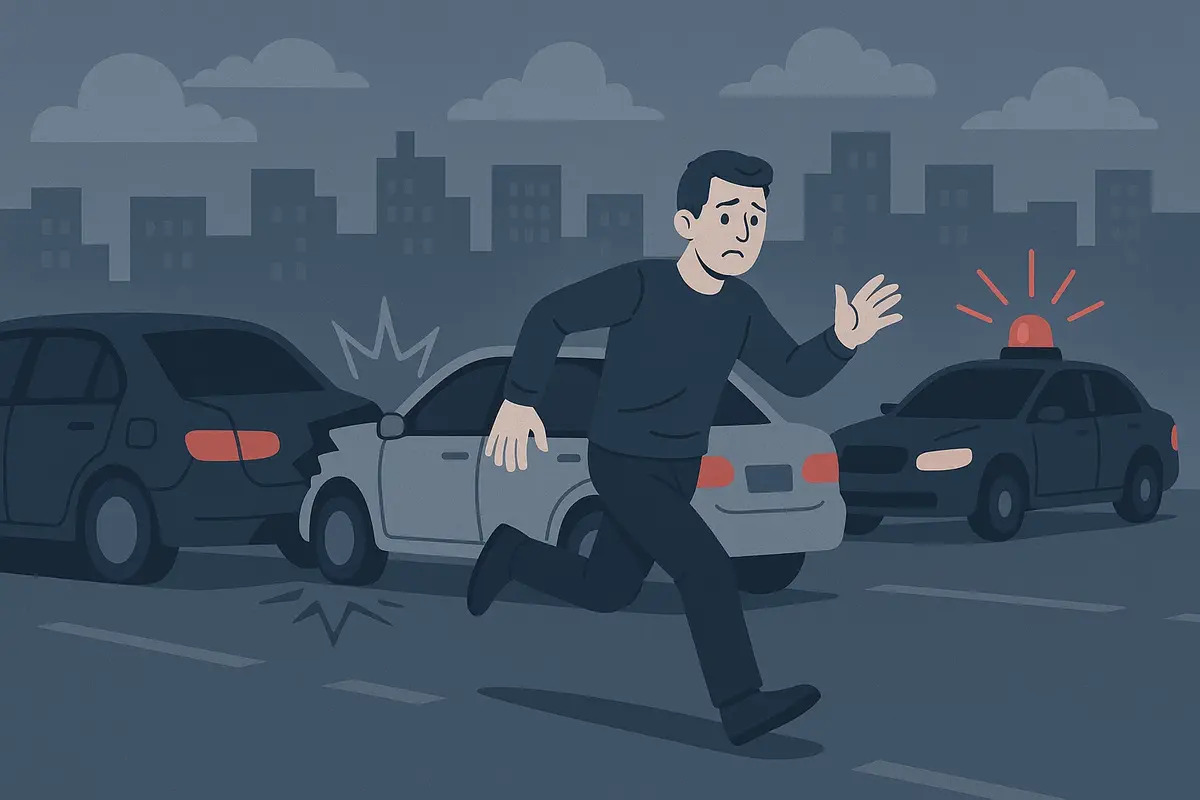

Leaving the scene of an accident, often referred to as a hit-and-run, is a serious criminal offense that can lead to significant legal penalties, including fines, license suspension, and even jail time. While it may seem like a split-second decision made in fear or confusion, fleeing from an accident carries long-term consequences that far outweigh any short-term relief.
In Minnesota, the law requires all drivers involved in a collision—whether with another vehicle, pedestrian, or property—to remain at the scene and follow specific procedures. Failing to do so is considered a violation of state traffic and criminal laws. Understanding the legal obligations after a crash, as well as the potential criminal penalties, is essential for anyone who drives in the state.
Legal Obligations After an Accident in Minnesota
Under Minnesota Statute §169.09, drivers involved in an accident must stop immediately at or near the scene. The law applies to all types of collisions, including those causing property damage, injury, or death. Drivers are required to exchange identifying information, render reasonable assistance to anyone injured, and notify law enforcement if the accident results in injuries or significant damage.
Failing to stop or fulfill these duties constitutes “leaving the scene of an accident.” The severity of the charge depends on the extent of the damage or injury caused. Even in minor fender benders, leaving without providing contact information can lead to misdemeanor charges. When injury or death occurs, the offense escalates to a felony with severe consequences.
If you’re facing charges related to leaving an accident scene, contacting a Minnesota traffic violations lawyer should be a top priority. An experienced attorney can explain your rights, assess the circumstances, and work to minimize the potential legal fallout.
When Failing to Stop Becomes a Criminal Offense
The law distinguishes between different types of hit-and-run incidents based on the severity of the outcome. The more serious the result of the crash, the more severe the penalties for fleeing.
Property Damage Only
If a driver hits another vehicle, fence, or other property and leaves without identifying themselves, they can be charged with a misdemeanor. This type of violation may result in fines, license suspension, and increased insurance premiums. In some cases, restitution to the property owner may also be required.
Injury or Death
Leaving the scene of an accident involving bodily injury or death is treated as a felony in Minnesota. A conviction can lead to years of imprisonment, substantial fines, and permanent loss of driving privileges. Beyond legal penalties, defendants also face lasting damage to their criminal record and reputation.
The courts take these offenses seriously because fleeing the scene can delay critical medical attention for victims. Even if the driver was not at fault for the accident itself, the act of leaving can lead to criminal liability that might not have otherwise existed.
Why Some Drivers Flee the Scene
It’s easy to assume that all hit-and-run drivers flee to evade responsibility, but the reasons are often more complex. Fear, panic, confusion, and lack of understanding about legal obligations frequently play a role. Some common reasons drivers leave accident scenes include:
- Driving without a valid license or insurance
- Fear of arrest for unrelated offenses, such as DUI
- Misjudging the seriousness of the accident
- Emotional shock or panic immediately after impact
While these explanations may help a defense attorney build context for the case, they rarely excuse the act under Minnesota law. That’s why anyone charged with leaving the scene should seek immediate representation from a Minnesota traffic violations lawyer who can negotiate with prosecutors and potentially reduce charges or penalties.
Penalties for Leaving the Scene of an Accident
The penalties for a hit-and-run vary depending on the nature of the crash and whether it involved injuries or fatalities.
Misdemeanor Offenses
For accidents causing only property damage, leaving the scene can result in misdemeanor charges. Penalties may include fines up to $1,000, up to 90 days in jail, and possible driver’s license suspension. Courts may also require restitution for damaged property.
Gross Misdemeanor Offenses
If the accident results in minor injuries, the offense may be elevated to a gross misdemeanor. Penalties include fines up to $3,000 and up to one year in jail. Judges often impose additional probationary conditions, such as community service or driving education programs.
Felony Offenses
In cases where the accident causes serious injury or death, leaving the scene is classified as a felony. Convictions can lead to fines of up to $20,000 and imprisonment for up to seven years. Felony convictions also carry long-term consequences, including loss of civil rights and major employment barriers.
Driver’s License and Insurance Consequences
In addition to criminal penalties, drivers convicted of hit-and-run offenses face administrative repercussions from the Department of Public Safety. License revocation periods vary depending on the severity of the incident but may last several years. Insurance premiums also rise dramatically following a conviction, and some insurers may even cancel coverage altogether.
Defending Against Hit-and-Run Charges
Defending against charges of leaving the scene requires a careful examination of the facts and the driver’s intent. Prosecutors must prove that the accused knowingly left the scene and failed to comply with legal obligations. A skilled defense attorney can challenge these claims by exploring mitigating factors such as:
- The driver’s lack of awareness that an accident occurred
- Medical emergencies or incapacitation at the time of the crash
- Efforts made to report the incident after leaving the scene
- Confusion or miscommunication with law enforcement
Each case is unique, and the outcome depends heavily on the specific evidence available. Consulting a Minnesota traffic violations lawyer early allows for timely investigation, witness interviews, and negotiation with prosecutors before formal charges escalate.
The Role of Intent in Hit-and-Run Cases
One of the most important elements in a hit-and-run prosecution is intent. The prosecution must establish that the driver intentionally fled the scene to avoid responsibility. If a defense attorney can demonstrate that the driver did not realize an impact occurred—especially in low-speed or minor collisions—the charges may be reduced or dismissed.
Additionally, returning to the scene shortly after leaving or voluntarily reporting the accident can demonstrate good faith, which may influence how prosecutors and judges handle the case. Legal counsel can advise on how to present such mitigating actions effectively during negotiations or trial.
How a Lawyer Can Help
A Minnesota traffic violations lawyer provides invaluable assistance for anyone facing hit-and-run allegations. They can evaluate the evidence, communicate with law enforcement, and represent clients during court proceedings. In some cases, they may negotiate plea agreements that substitute jail time with probation, fines, or community service.
Attorneys also protect defendants’ rights during questioning and ensure that no unlawful statements are used against them. Because leaving the scene of an accident carries both criminal and administrative penalties, having legal representation is critical for minimizing long-term consequences.
Preventing Legal Trouble After an Accident
The best way to avoid criminal charges for leaving the scene is to follow proper post-accident procedures. Drivers involved in any collision should stop immediately, move to a safe location if possible, and call 911 to report the incident. Exchanging contact and insurance information with other parties involved is mandatory.
If injuries are present, drivers must provide reasonable assistance, which may include calling emergency services or transporting victims to medical facilities when safe to do so. Failing to complete these steps—even unintentionally—can expose drivers to criminal liability.
Understanding the law and knowing how to respond under pressure can prevent panic-driven decisions that lead to legal trouble. Drivers who find themselves in difficult or confusing situations after a crash should consult a Minnesota traffic violations lawyer immediately for guidance.