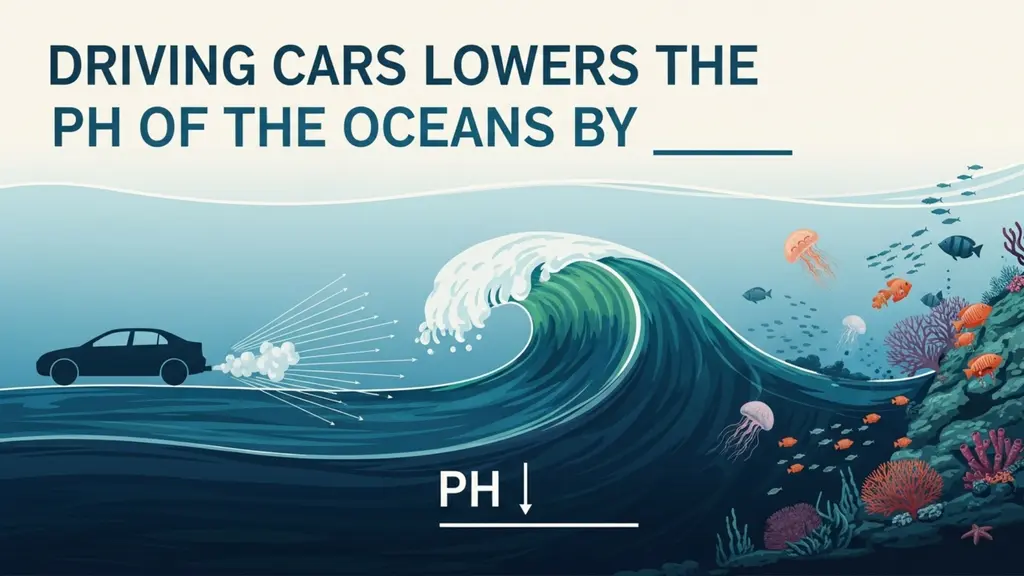

Most people talk about smog from cars but they do not think about what happens in the ocean. When we drive we put carbon dioxide in the air and that gas later mixes into the sea. This lowers the PH of the water and makes it more acidic.
Over time this hurts coral fish and sea plants. From what I have seen this is a silent damage that grows every year and we still keep driving without thinking about it. This article will tell you all about how driving cars lowers the PH of the oceans by _______.
Quick Explanation of the Link
When we drive we send carbon dioxide into the air. That gas does not stay above us. The ocean pulls a big share of it into the water like a giant slow breath. Once inside the water the gas turns into a weak acid and pushes the PH down. Even regular car care, like an oil change, does not stop this because the car still burns fuel and sends CO2 into the air. So every drive, near or far from the coast, slowly changes the ocean.
How CO2 From Driving Reaches the Sea
When a car burns fuel the carbon leaves the tailpipe as CO2 gas. That gas spreads in the air and does not stop at city borders. The ocean and the air are always trading gases at the surface. So the CO2 that we push into the air from driving is later absorbed by the top layer of seawater. Over time this steady pull drags huge amounts of traffic carbon into the ocean and changes its PH step by step.
What Ocean Acidification Does to Marine Life
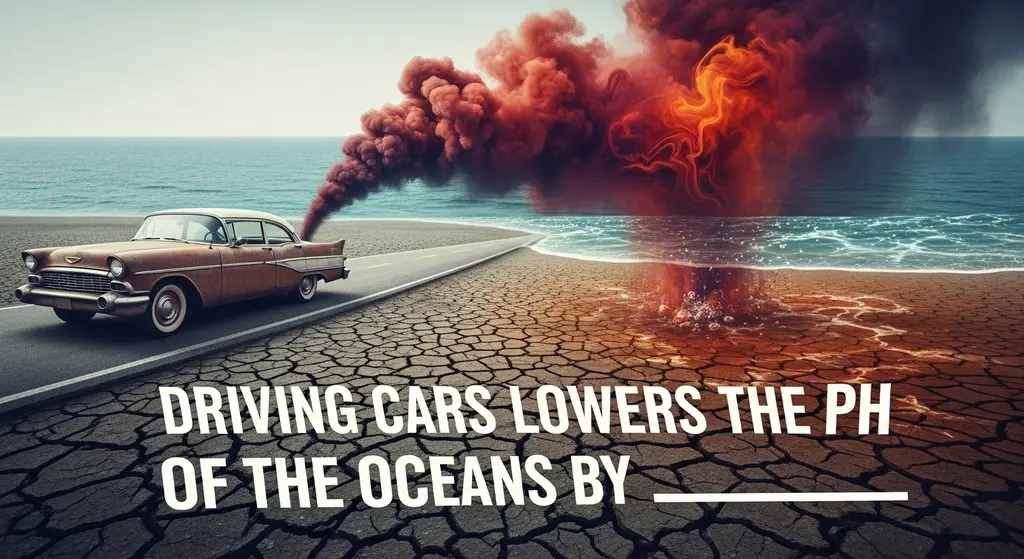
At first I did not think a tiny PH drop could break a whole food chain. Then I saw how even a small shift in acid hits creatures that build shells and coral.
Coral Growth Slows and Reefs Collapse
Acid water makes it harder for corals to lock in calcium so they grow slower and break easier. Weak coral means less shelter for fish and small sea animals. Over years the reef turns from a living wall into a dead rock with little life left.
Shell Builders Fail to Form Hard Shells
Animals like oysters, clams, crabs and tiny plankton need stable PH to build shells. Acid water dissolves their shell material faster than they can replace it. Many die young which cuts food for larger animals in the chain.
Fish Lose Food and Safe Habitat
When coral and shell builders drop the fish that eat them lose steady food. Many fish also lose hiding spots when reefs collapse. This forces fish to move or starve and drops fish numbers in that area.
Plankton Weakens and Breaks the Base of the Web
Plankton sits at the bottom of most ocean food webs and needs stable water to survive. Acid stress kills or weakens many plankton types. When the base breaks every level above it loses support.
Long-Term Reproduction Falls Across Species
Acid stress forces many species to use energy to survive, not to reproduce. Eggs and larvae are extra sensitive to PH shifts so many never reach the adult stage. This slow cut in new life leads to quiet population collapse even when adults still look fine.
Why This Risk Stays Invisible in Public Talk
Most people link car damage with the sky not with the sea so the ocean cost stays out of mind. Ocean acid has no smell, no color and no sound so the harm does not feel real to the public. The damage also grows slowly over years not days so it never makes breaking news even though it keeps getting worse in the background.
How Reducing Driving Can Reduce Ocean Acid Growth
At first I thought this problem was too big for small cuts in driving to matter. Then I learned how every ton of CO2 we stop sending up is one less ton the sea must swallow.
Fewer Miles Means Less CO2 to Absorb
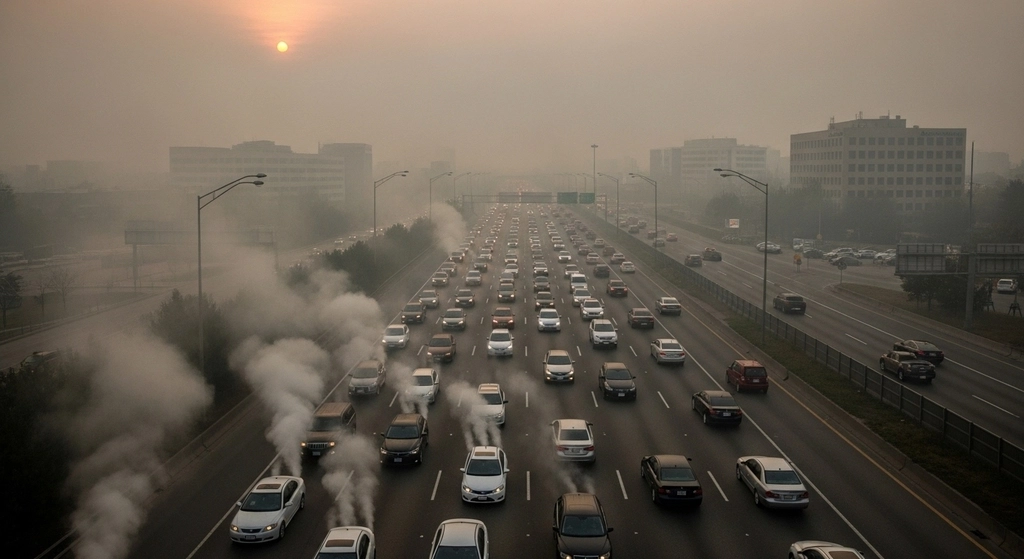
Every skipped trip stops fuel burn and keeps CO2 out of the sky. The ocean then has less carbon to pull down through exchange with the air. This slows the chemical shift that keeps pushing PH lower each year.
Carpool and Transit Spread the Same Travel Over Fewer Engines
When four people share one car instead of four cars we cut three engines worth of CO2. The ocean feels that over time because that is three exhaust streams gone. Multiplying that across cities can slow acid growth without new tech.
Electric Cars Remove Tailpipe Emissions Entirely
EVs do not push CO2 out of a tailpipe so they break the direct chain from driving to ocean acid. Power plants still matter but a clean grid removes the link even further. Modern EV battery technology also matters because longer-lasting batteries reduce the need for frequent replacements and lower overall carbon from production. As more EVs replace fuel cars the ocean gets a smaller and smaller CO2 load.
Short-Trip Cuts Add Up More Than People Think
Many drives are under five kilometers and easy to swap with walk bike or bus. Each swap looks small but millions of them take a full chunk off total emissions. Less carbon in the air means less carbon dissolving into water.
Policy Levers Amplify Individual Cuts
Cities that tax fuel or price parking push people to drive less without banning cars. These small frictions lower total miles and lower total CO2. The ocean gets the gain even if the public never sees the water.
Conclusion
Driving cars lowers the PH of the oceans by _______. This chain starts on the road and ends in the sea even when we live far from the coast. The ocean takes in our CO2 and turns more acidic inch by inch. That slow shift hurts coral shells, fish and the whole food web. This harm is quiet and invisible so most people never talk about it. Yet we can slow it by driving less and cutting the fuel burn that feeds the sea.