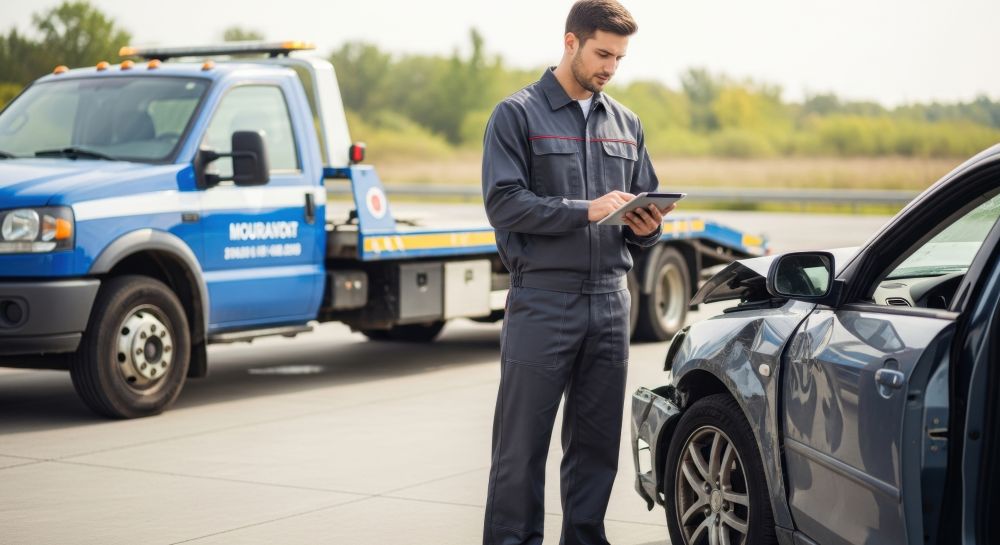

Commercial towing can be a challenging business. Operators deal with urgent calls at all hours. They handle vehicles that break down in dangerous spots. Their equipment also needs to work perfectly every time. And if you make a mistake? It can cost you revenue, frustrate customers, and create safety risks.
The good news? Most problems tow truck operators face come up repeatedly. This means you can predict, manage, and solve them with the right approach.
But what exactly are these challenges? And how can you handle them effectively? Well, here are five common issues and possible solutions:
1. Equipment Maintenance and Downtime
Tow trucks take a beating. Heavy-duty towing, crash recoveries, and lifting commercial vehicles wear out hydraulic cables and winches. When a truck breaks down, it can cause delays. It also drives up towing costs and lowers customer trust.
Consistent maintenance schedules are important to keep your equipment operable. They can stop most mechanical issues before they become serious.
Make sure you organize everything. Log repairs, oil changes, and tire checks digitally. This will help you catch small issues early.
You should also have a plan for downtime. Access to temporary replacements can keep your towing business running while your truck is in the repair shop.
Think about risk too. Liability insurance safeguards you against damages or accidents during recovery operations. You’ll be protecting your drivers, equipment, and the business itself!
Don’t forget about reliable sourcing either. You need to know where to find quality equipment before you even need it. For example, if you need a 5th wheel hitch for your tow truck, do your homework to get a reputable supplier with good warranties and fast delivery.
2. Traffic and Safety Risks
The most dangerous part of the tow truck industry is working on busy roads. Tow truck drivers respond to vehicles stranded in tight or unsafe areas daily. Passing traffic can cause serious risks. Bad weather, low visibility, and impatient drivers can make the job even harder.
The good thing? You can make these situations less risky. Start by training your tow truck drivers on safety protocols. Show them how to position trucks properly and when to call for police assistance. They need to know how to spot dangerous situations before they escalate too.
Operators should also use reflective vests, warning cones, and high-visibility lights at all times. Use them to mark your work zones clearly. Setting up a clear safety perimeter around the truck can reduce the chance of accidents.
Vehicle safety tech helps too. Some towing companies use dash cams or safety sensors to monitor work zones and boost driver awareness. A reliable communication system will also help dispatchers stay in contact with drivers during dangerous recoveries.
3. Customer Expectations and Demands
When a vehicle owner calls for towing assistance, they’re usually stressed or upset. In such moments, customers expect fast, reliable towing. They want you to get them out of trouble quickly, which may be challenging to meet every time.
Communication is key here. Tell customers when help is coming. You should also give them an honest estimate of the arrival time. Let them know exactly what services are available.
For example, offering roadside assistance like tire changes or jump-starts eases frustration immediately. It also builds trust.
Professionalism also matters. A calm, respectful tone can turn a stressful situation into a positive experience.
4. High Operational Costs
Running a towing company can also be expensive. Tow trucks, fuel, insurance, maintenance, and labor can all add up.
When you include costs tied to heavy-duty truck towing or coming trucking recovery, profit margins can shrink quickly. Towing rates also vary depending on location and demand. This makes it hard to plan long-term budgets.
Careful cost management can keep the business sustainable. Tracking expenses such as fuel and repair costs can show you where to save.
Consider using route optimization software. It can help reduce fuel use and time spent in traffic. You can also invest in fuel-efficient used trucks (new or used) to balance performance and cost.
Understanding local regulations and regulatory changes is important too. These can affect liability insurance requirements, towing fees, and operating standards. Staying can help you adapt before changes affect your bottom line.
5. Unpredictable Breakdowns
Another common issue in commercial towing is unpredictability. Breakdowns happen anywhere, anytime. One minute, a tractor-trailer might be stuck on a busy highway. The next? You’re on a remote, limited-access road.
Being prepared can help in such situations. First, keep your tow trucks maintained. Fewer surprises on the job means better service. Next, use GPS and digital dispatch tools. They show you the fastest routes and give real-time updates.
You should also rotate shifts and keep backup drivers ready. That keeps things running smoothly.
Don’t forget the gear. Always use a checklist for important equipment. This could include cables, chains, cones, safety lights, and reflective gear.
Conclusion
A commercial towing business can experience many challenges. Equipment breakdown, high costs, and traffic risks? You name them! But these problems don’t have to sink your business. With the above solutions, you can control risks and meet customer expectations. Remember, success isn’t avoiding problems. It’s about handling them better than your competition.