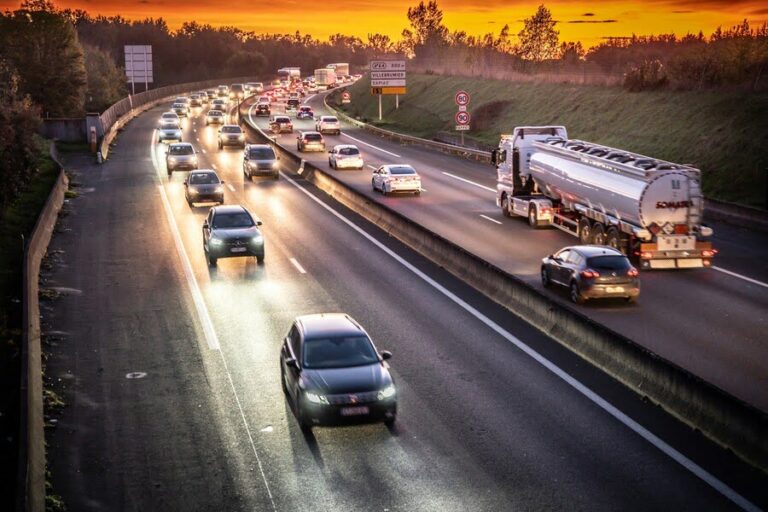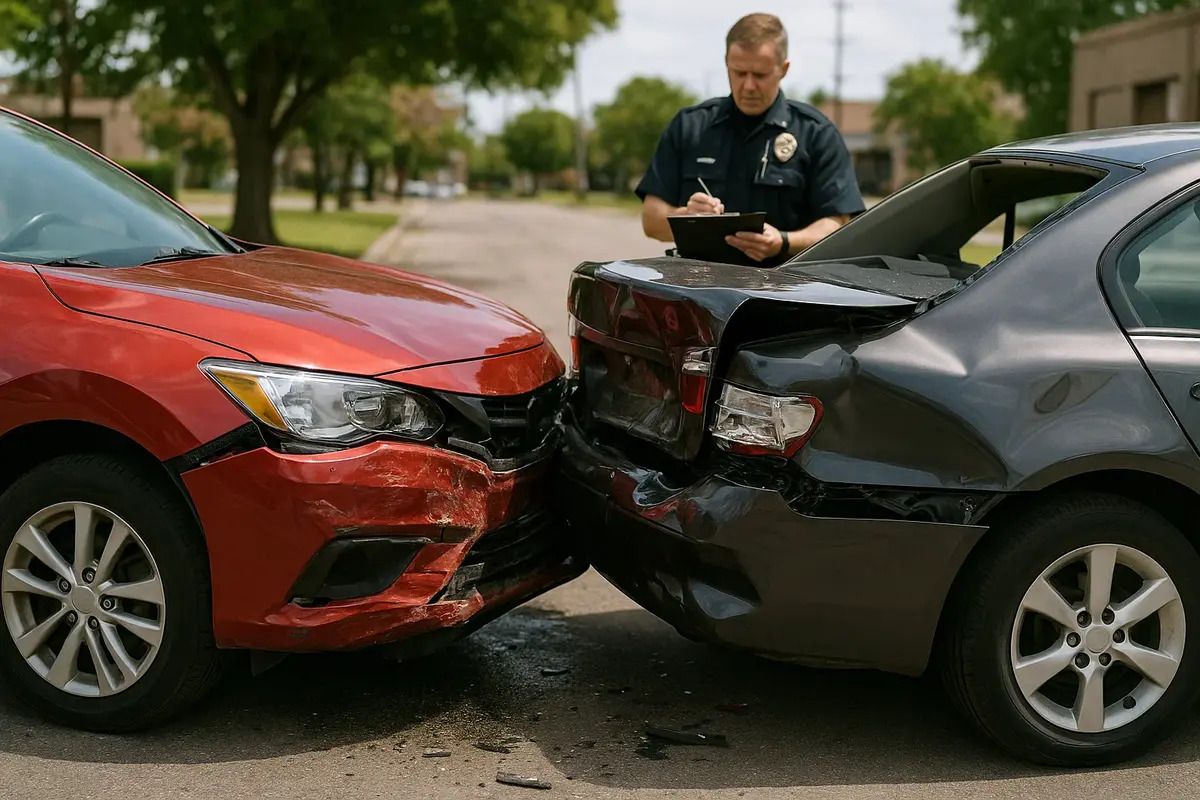

Speeding remains one of the leading causes of car accidents in Illinois and across the country. Despite widespread public awareness of the dangers, many drivers continue to exceed posted speed limits or drive too fast for conditions. The consequences of speeding can be catastrophic, often leading to serious injuries, property damage, and fatalities.
When speeding contributes to a crash, it can also have a significant impact on how compensation is determined in a personal injury claim. Insurance adjusters, courts, and juries often consider the role of speeding when assessing fault and damages. Understanding how speeding affects liability and the potential recovery of compensation is critical for anyone injured in a motor vehicle accident.
The Legal Implications of Speeding in Car Accident Cases
Speeding is considered a violation of Illinois traffic law under 625 ILCS 5/11-601, which prohibits driving faster than the posted limit or at a speed that endangers others. When a driver exceeds the speed limit, they are presumed negligent if that speeding behavior contributes to a collision.
In personal injury law, negligence is the foundation of most car accident claims. A speeding driver who causes a crash can be held financially responsible for damages. However, determining the extent of liability becomes more complex when both parties share fault — for example, if one driver was speeding but the other failed to yield or made an unsafe lane change.
An experienced car accident lawyer can help accident victims navigate these nuances by gathering evidence, reconstructing the crash, and identifying how speeding influenced the outcome.
How Speeding Increases the Likelihood and Severity of Car Accidents
Excessive speed doesn’t just make accidents more likely; it also magnifies their consequences. The faster a vehicle travels, the less time a driver has to react to sudden changes on the road — such as stopped traffic, pedestrians, or hazardous weather conditions.
Moreover, the energy generated by a high-speed collision is exponentially greater than at lower speeds, leading to more severe injuries and higher property damage costs. Common injuries resulting from speed-related accidents include:
- Traumatic brain injuries
- Spinal cord damage
- Internal bleeding
- Broken bones
- Severe burns or lacerations
These injuries often result in extensive medical expenses, long-term rehabilitation, and loss of income — all of which influence the amount of compensation a victim may seek.
Speeding and Comparative Negligence in Illinois
Illinois follows a modified comparative negligence rule, meaning that accident compensation depends on each party’s degree of fault. If you are found partially responsible for the accident, your compensation will be reduced proportionally. However, if you are more than 50% at fault, you cannot recover any damages.
For instance, suppose one driver was speeding 15 miles over the limit, and the other driver made an unsafe left turn. If an investigation finds that the speeding contributed 40% to the cause of the accident, the injured driver’s compensation would be reduced by 40%.
Because comparative negligence significantly affects how much compensation victims receive, working with a qualified Chicago car accident attorney is essential. They can present evidence that minimizes your share of fault and ensures that the speeding driver is held accountable for their negligence.
Proving Speeding in a Car Accident Claim
Proving that the other driver was speeding requires careful evidence collection. In many cases, direct proof — such as eyewitness testimony or police radar readings — may not be readily available. Attorneys and accident reconstruction experts often rely on indirect evidence, such as:
- Skid marks and point of impact analysis
- Vehicle black box (event data recorder) information
- Surveillance or dashcam footage
- Damage patterns consistent with high-speed impact
- Witness statements and police accident reports
An experienced car accident lawyer can coordinate with forensic specialists to analyze this evidence, reconstruct the sequence of events, and demonstrate how excessive speed directly caused the collision. This technical documentation can be crucial in negotiations with insurance companies or in court. Brain injury attorneys can also provide essential legal support when the accident results in traumatic head injuries that require long-term medical care.
How Speeding Affects the Value of Your Compensation
Speeding impacts compensation in multiple ways, depending on whether you were the speeding driver or the victim of someone else’s reckless driving.
When the Other Driver Was Speeding
If the other driver was exceeding the speed limit or driving too fast for conditions, it strengthens your case for compensation. The at-fault driver’s insurance company is more likely to be held responsible for your medical bills, lost wages, pain and suffering, and vehicle repairs. Speeding often constitutes reckless behavior, which can justify higher settlement amounts, particularly in cases involving severe injuries or gross negligence.
In some instances, courts may also award punitive damages — additional compensation intended to punish the speeding driver for extreme recklessness. However, punitive damages are typically reserved for cases involving egregious behavior, such as street racing or excessive speeding in a school zone.
When You Were the Speeding Driver
If you were speeding when the accident occurred, your compensation may be reduced under comparative negligence rules. Even if another driver made a critical mistake, your speeding could be considered a contributing factor. This makes it especially important to have a Chicago car accident attorney who can evaluate the facts, gather favorable evidence, and argue that your actions played a minimal role in causing the crash.
Insurance companies frequently use allegations of speeding to reduce settlement offers. A skilled attorney can challenge these claims by showing that external factors — such as poor road design, faulty vehicle equipment, or another driver’s recklessness — were primarily responsible for the accident.
The Role of Police Reports and Expert Testimony
After a crash, police officers document details such as estimated vehicle speeds, traffic violations, and road conditions. Their findings carry significant weight during insurance negotiations and legal proceedings. However, police reports are not infallible, and speed estimates can sometimes be inaccurate.
To strengthen a case, an attorney may bring in accident reconstruction experts who can scientifically calculate vehicle speeds using physical evidence, digital data, and advanced simulation models. These professionals provide objective insights that can clarify how speed contributed to the collision and injuries.
Speeding and Insurance Company Tactics
Insurance adjusters are trained to minimize payouts, and allegations of speeding give them leverage to do so. They may argue that the victim’s own negligence contributed to the crash, even if the evidence suggests otherwise. Insurers also use speeding as justification to challenge medical expenses or deny non-economic damages such as pain and suffering.
Working with an experienced car accident lawyer ensures that you have someone advocating for your best interests. A strong legal representative can negotiate aggressively, counter misleading claims from insurers, and present comprehensive evidence to maximize your recovery.
Preventing Speed-Related Collisions
While compensation can help victims recover financially, the best protection comes from prevention. Drivers can reduce their risk of serious injury by following speed limits, adjusting their speed for weather or traffic conditions, maintaining safe following distances, and avoiding aggressive driving behaviors.
Technology also plays an increasing role in prevention. Many modern vehicles are equipped with features such as adaptive cruise control and speed limit detection systems. However, even with these advancements, driver responsibility remains the most important factor in avoiding speed-related accidents.
Seeking Legal Help After a Speeding-Related Accident
The aftermath of a car accident involving speeding can be overwhelming. Victims may face medical bills, lost income, and long-term physical limitations. Determining how speeding affects your compensation requires a careful legal analysis and strong supporting evidence.
A skilled Chicago car accident attorney can investigate the role of speed, identify all liable parties, and negotiate a fair settlement on your behalf. Similarly, working with an experienced car accident lawyer ensures that your claim is backed by evidence, expert testimony, and a thorough understanding of Illinois negligence law.
If you’ve been injured in a car accident involving speeding, timely legal assistance is crucial. Consulting an attorney early helps preserve evidence, strengthen your case, and improve your chances of recovering the full compensation you deserve.