
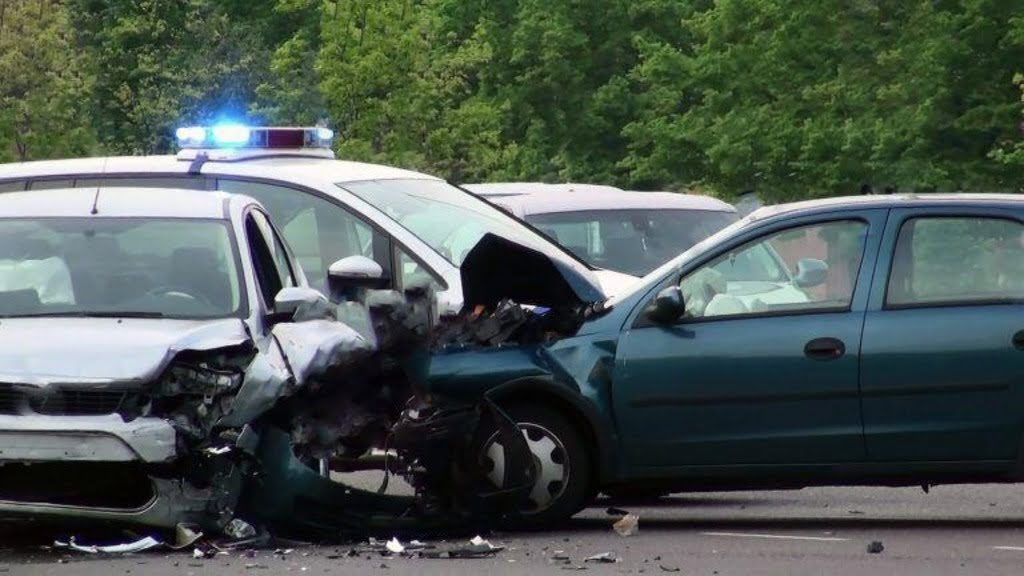

Accidents do occur, and when they do, you need to determine the new value of your car. Whether you’ve been involved in a small fender bender or a more serious collision, understanding how to calculate your car’s value after an accident will help you get a fair settlement from your insurance company.
Know What “Fair Market Value” Means
When insurance companies must decide your car’s value after an accident, they don’t look at what you paid for it, what you owe on it, or even what you think it’s worth. What they do is calculate the fair market value (FMV).
The diminished value claim in Texas helps determine the right FMV. Think about it like this: if you were to sell your car before the accident, how much would somebody pay for it? That’s the fair market value of your car.
What Are the Basics of the Calculation?
To put a value on your car after an accident, here’s the calculation in its simplest form:
Fair Market Value (FMV) = Pre-Accident Value – Depreciation – Damage
- Pre-accident value is the car’s value before the accident.
- Depreciation is the amount of value your car loses for being used.
- Damage is the reduced value of your car after the accident.
Determining the Pre-Accident Value
The first step is to figure out how much your car was worth before the accident. Websites like:
- Kelley Blue Book
- Edmunds
- NADA
Offer free tools to estimate your car’s value based on its make, model, year, mileage, and condition. These sites are often used by car buyers and sellers, so they’re pretty reliable.
Adjusting for Depreciation
All cars depreciate over time. Even if your car was in perfect condition before the accident, it depreciated just because it was driven. Depreciation happens for a variety of reasons:
- Age
- Mileage
- Wear and tear
- The model of the car—some cars depreciate faster than others
For example, a brand-new car loses about 20% of its value in the first year. It will continue to lose value each year, just at a slower rate.
Calculating the Damage
The extent of the damage your car has sustained in the accident also plays an enormous role in its value. The more the damage, the lower the value the car has. Insurance companies tend to send someone to assess the damage and give an estimate of the repairs.
If the cost to repair the car is more than the car is worth, your car is considered totaled and the insurance company would pay you the car’s pre-accident value, minus deductibles.
Consider Your Insurance Type
The type of insurance policy you have will also affect how much you’ll get.
- Liability Insurance
If the other driver caused the accident and has liability insurance, you’ll likely be paid for the damage to your car or the total loss. If the accident was your fault, liability insurance won’t help you, and you’d have to rely on your own coverage.
- Collision Insurance
Your vehicle will be covered by collision insurance, regardless of the individual who caused the accident, if you have it. However, it might not cover the full value of your vehicle in the event that it is totaled.
Totaled or Partial Damage?
If it would cost more to repair your car than the car is worth, or almost as much, the insurance company might decide to pay you the fair market value, minus your deductibles.
If the car can be fixed, the insurance company will subtract the cost of repair from the value of your car to make a payment.
Conclusion
Calculating your vehicle’s value after an accident can seem complex. Here’s what you need to understand:
- How fair market value is determined
- How depreciation is factored
- How damage is appraised