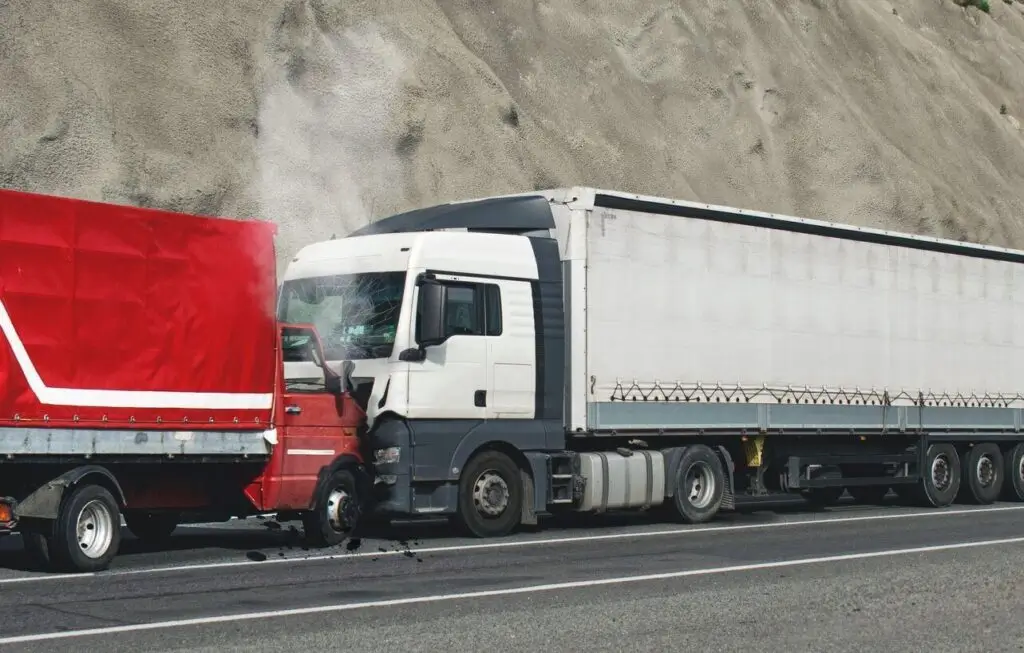

Trucking company practices play a major role in keeping drivers and the public safe on the road. Large commercial trucks share highways with families, commuters, and pedestrians every day. When companies follow safety-focused policies, the risk of serious accidents drops. When they cut corners, the danger rises for everyone.
Many safety advocates point to patterns seen across the industry, including what experts often describe as the top 10 worst trucking companies, to explain how poor management choices can lead to preventable crashes. Understanding these practices helps explain why some trucking operations are safer than others.
Hiring and Training Standards
Safe trucking starts with hiring qualified drivers. Companies that rush hiring often overlook warning signs in a driver’s background.
Strong hiring practices include proper license checks and thorough road testing. Training also matters. Drivers need time to learn safety procedures, vehicle handling, and emergency response. When companies shorten training to save money, drivers may be unprepared for real-world risks.
Driver Schedules and Fatigue
Fatigue is one of the most serious dangers in trucking. Long hours behind the wheel reduce focus and reaction time.
Some companies push drivers to meet tight delivery deadlines. This pressure can lead drivers to skip rest breaks or drive beyond legal limits. Fatigued driving increases the chance of serious accidents, especially on highways and at night.
Vehicle Maintenance Policies
Well-maintained trucks are safer trucks. Regular inspections and repairs help prevent mechanical failures.
Poor maintenance practices often lead to problems such as brake failure or tire blowouts. Companies that delay repairs to cut costs put drivers and the public at risk. Routine maintenance is not optional. It is a basic safety responsibility.
Compliance With Safety Regulations
Federal and state laws exist to protect road users. These rules cover hours of service, vehicle inspections, and cargo limits.
Companies that ignore or bend these rules create unsafe conditions. Common compliance failures include:
- Exceeding allowed driving hours
- Skipping required inspections
- Overloading trailers
Following regulations protects drivers and reduces the chance of catastrophic crashes.
Company Culture and Safety Priorities
A company’s internal culture shapes driver behavior. When safety is treated as a priority, drivers are more likely to follow rules.
In unsafe cultures, speed and profit come first. Drivers may feel discouraged from reporting hazards or mechanical issues. Over time, this mindset increases accident risks and lowers accountability.
Use of Technology and Monitoring
Modern technology can improve trucking safety when used correctly. Tools like electronic logging devices and vehicle tracking systems help monitor driving behavior.
Positive uses of technology include:
- Tracking hours to prevent fatigue
- Monitoring speed and braking patterns
- Alerting managers to maintenance needs
When companies use these tools to support drivers instead of punishing them, safety improves.
Pressure to Meet Delivery Deadlines
Delivery pressure is a hidden danger in trucking operations. Drivers who feel rushed may take unsafe actions.
This pressure can lead to speeding, aggressive driving, or skipping safety checks. Companies that set realistic delivery schedules help reduce these risks. Safe timelines protect drivers and everyone sharing the road.
Impact on Public Safety
Unsafe trucking practices do not affect drivers alone. Passenger vehicles are far more vulnerable in collisions with large trucks.
When companies fail to manage risks, the public faces greater danger from high-impact crashes. These incidents often result in severe injuries or fatalities. Strong company policies help prevent these outcomes.
Accountability After Accidents
How a company responds after an accident matters. Responsible companies investigate crashes and fix underlying problems.
Others may ignore warning signs and repeat unsafe behavior. Accountability helps prevent future accidents and shows a commitment to public safety.
Final Key Takeaways
- Trucking company practices directly affect road safety.
- Poor hiring and training increase accident risks.
- Fatigue and tight schedules lead to dangerous driving.
- Proper maintenance and regulation compliance are essential.
- Safety-focused company culture protects drivers and the public.
When trucking companies commit to safe practices, everyone benefits. Roads become safer, drivers stay healthier, and communities face fewer tragic accidents.