
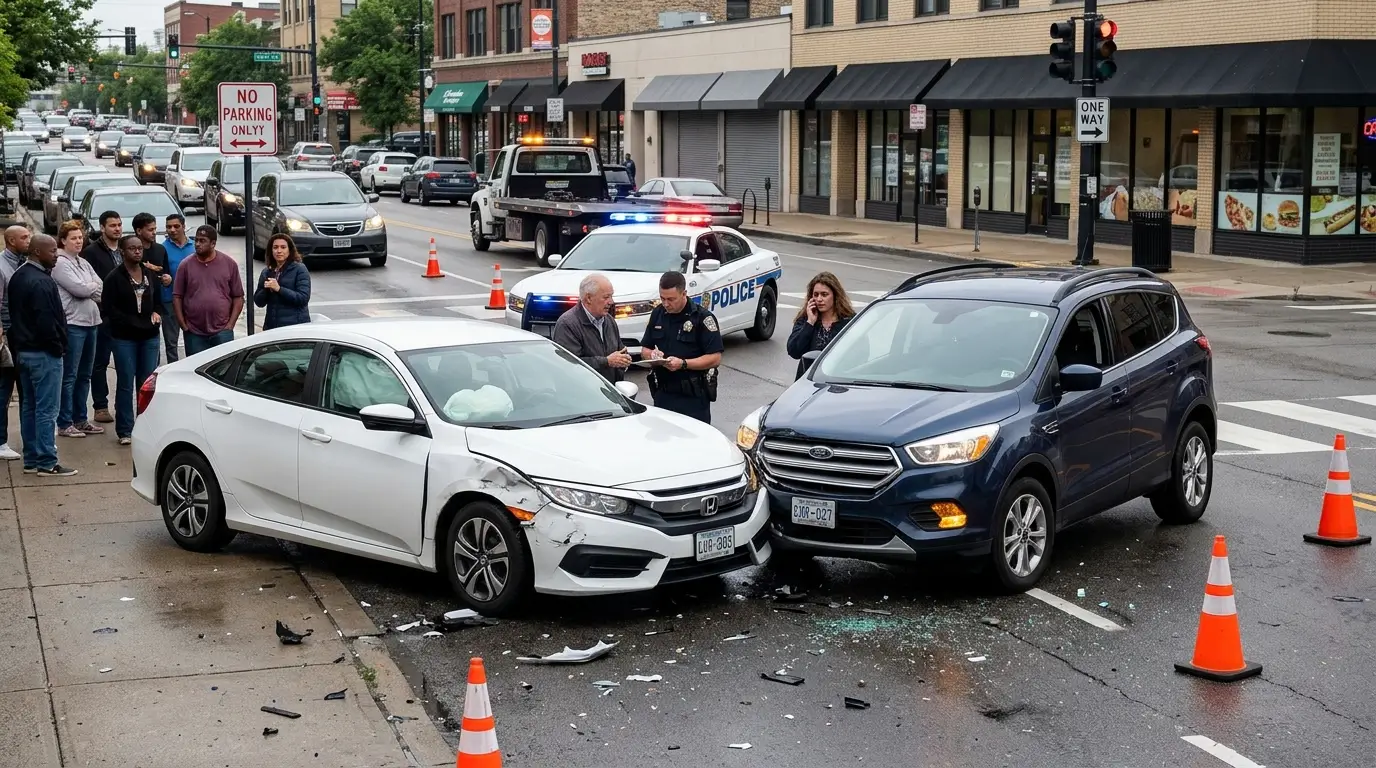

In North Carolina, personal injury incidents occur frequently across both roadway and workplace settings, with motor vehicle crashes making up a large share of serious injury claims. Each year, more than 200,000 traffic crashes are reported statewide, resulting in well over 100,000 injuries and more than 1,000 fatalities. A significant portion of these collisions involves drivers who carry no insurance or insufficient coverage, which leaves injured individuals dependent on uninsured or underinsured motorist protection. Workplace data also shows that tens of thousands of nonfatal injuries are reported annually, alongside a smaller number of severe or fatal incidents across industries such as construction, manufacturing, and transportation. These figures highlight how often people are exposed to financial and physical harm, especially when responsible parties lack adequate insurance coverage.
In uninsured and underinsured motorist claims, the process typically begins after it is confirmed that the at-fault driver either has no insurance or lacks enough coverage to pay for the full extent of damages. In these situations, a victim may turn to their own policy for compensation, but insurers still require proof of liability, medical treatment, and financial loss before approving payment. Policy limits, coverage exclusions, and timely reporting requirements can all influence the outcome of a claim. Disputes may arise when insurers challenge the severity of injuries or argue that damages exceed what is supported by documentation. Working with a car accident lawyer in North Carolina at CR Legal can help injured individuals navigate these requirements, organize evidence, and respond to insurer disputes. Legal guidance also helps ensure that all available coverage sources are identified and properly pursued for fair recovery.
Why These Claims Matter
Serious collisions can exhaust a small liability policy quickly. Surgery, rehabilitation, prescription costs, and reduced earning capacity may continue for months after impact. During that period, many households review policy terms, gather treatment records, and consult a car accident lawyer. At the same time, insurer questions, physician notes, and payment issues are still developing after the wreck. This early review can prevent avoidable errors and protect access to added compensation.
What Uninsured Coverage Means
Uninsured driver coverage usually applies when the person who caused the crash carried no valid liability insurance. Some policies also extend that protection to certain hit-and-run events if reporting rules are met. In most cases, the injured driver presents the claim to a personal auto carrier. The company then examines the following before setting a value:
- Fault
- Clinical records
- Wage loss
- Property damage
What Underinsured Coverage Means
Underinsured driver coverage is different. It applies when the at-fault motorist has insurance, but the available limit falls short of total losses. A common example is a spinal injury tied to a modest policy. Once that outside coverage is paid, or formally offered, the injured person may pursue additional funds through an underinsured claim, subject to policy language and proof.
When Coverage Usually Starts
These claims rarely begin with a simple statement that expenses exceed a policy limit. Carriers usually request the following:
- A crash report
- Treatment charts
- Billing statements
- Employment records
- Confirmation of the other driver’s coverage
Some policies also require advance notice before any settlement with the negligent motorist. If that step is missed, a coverage fight may follow and delay payment.
Fault Still Has to Be Proven
Lack of insurance does not remove the need to prove who caused the crash. The injured person still must show that another driver acted carelessly and created the collision. Adjusters often review photographs, witness accounts, vehicle damage patterns, roadway markings, and treatment timing. If those facts remain disputed, the insurer may cut the offer or deny responsibility pending more evidence.
Losses That May Be Paid
These claims may cover emergency treatment, hospital charges, lost wages, pain, future care, and permanent limits on routine activity. Payment depends on policy wording, medical proof, and available limits. Property damage can follow different rules than bodily injury, so vehicle repairs may move through a separate process. Careful review of each coverage line helps identify every available source of recovery.
Why Insurers Challenge Value
An insurer paying under this coverage still evaluates the file with a skeptical eye. Adjusters may question whether treatment was necessary, whether symptoms existed earlier, or whether time away from work was medically supported. They also compare charges with chart notes and watch for gaps in care. Even small inconsistencies can weaken settlement value during negotiations.
Timing Can Affect Recovery
Prompt action often strengthens these cases. Early evaluation creates a clearer record of symptoms, diagnosis, physical limits, and follow-up care. Quick notice also helps preserve policy rights and witness recollection. Waiting too long can make injuries appear minor or unrelated. Delay may also reduce access to surveillance footage, phone data, and scene evidence that supports liability.
Documents That Carry Weight
Well-prepared claim files often include the following:
- Crash report
- Scene photos
- Witness names
- Insurance pages
- Repair estimates
- Treatment notes
- Billing summaries
- Payroll verification
A symptom journal may also help show daily restriction with concrete examples. Dated records usually carry more weight than broad statements. Strong documentation makes it harder for a carrier to minimize the extent of harm.
Settlement and Next Steps
Many cases resolve through negotiation after enough treatment has been administered to measure lasting impairment. Some matters take longer because future care needs, work limits, or liability remain contested. If a fair offer does not arrive, formal legal action may follow under policy terms and state procedure. Careful handling often has more impact on the outcome than speed alone.
Conclusion
Uninsured and underinsured driver claims can provide essential financial protection after a crash, yet they rarely succeed on sympathy alone. Strong results usually depend on prompt notice, reliable records, proof of fault, and a clear account of physical, emotional, and financial loss. With solid evidence, these claims may cover harm that the other driver cannot afford to pay. Without that foundation, even valid cases can be undervalued.