
The Hyundai Kona looks like a fun small SUV, but some years bring more trouble than others. Let’s be honest, many drivers only learn this after they face engine noise or electrical problems.
So we tried something a little different this time and looked at the years that cause the most stress. This article will give you a clear idea of which Hyundai Kona years to avoid if you want a smooth and worry free drive.
Why Early Kona Models Faced More Complaints
Early Hyundai Kona models, especially from 2018 and 2019, faced many complaints. The main issue was with the engine. Weak piston rings caused high oil use and sometimes engine failure.
This made some cars costly to fix and unreliable. Many drivers also reported electrical problems. The infotainment system would freeze or reset, and safety features like blind-spot warnings often failed. Kona Electric models had battery problems that sometimes led to fires, which worried many owners.
Transmission troubles, like jerky shifting and hesitation, made driving less smooth. Just like the Kia Sorento, these issues mean early Kona models are often seen as less reliable and worth avoiding.
Hyundai Kona Years to Avoid
I have paid close attention to the Hyundai Kona and have identified specific model years that are the source of more headaches. These are the years to be wary of in case you do not want to incur expensive repairs and stress.
2018 Hyundai Kona
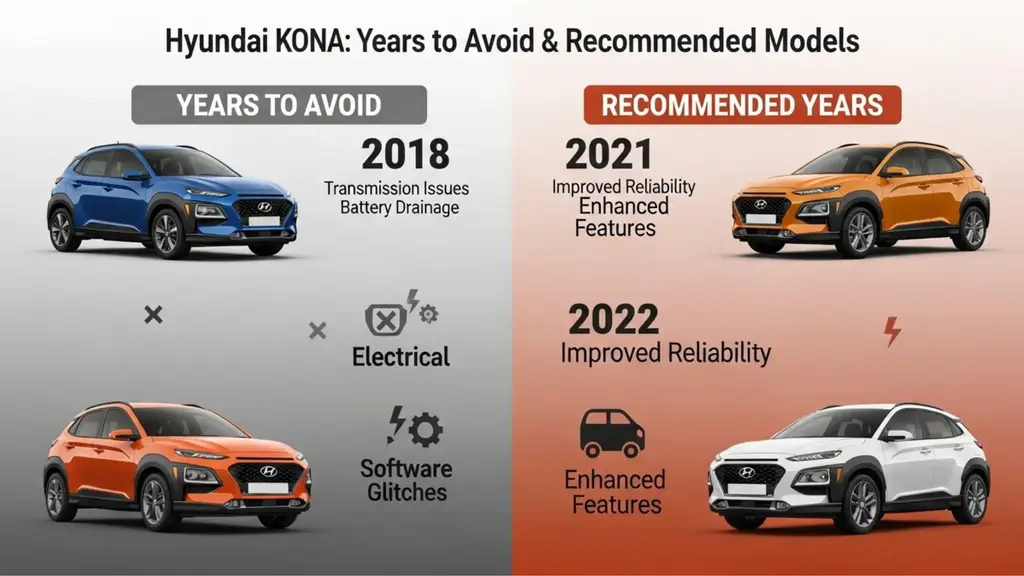
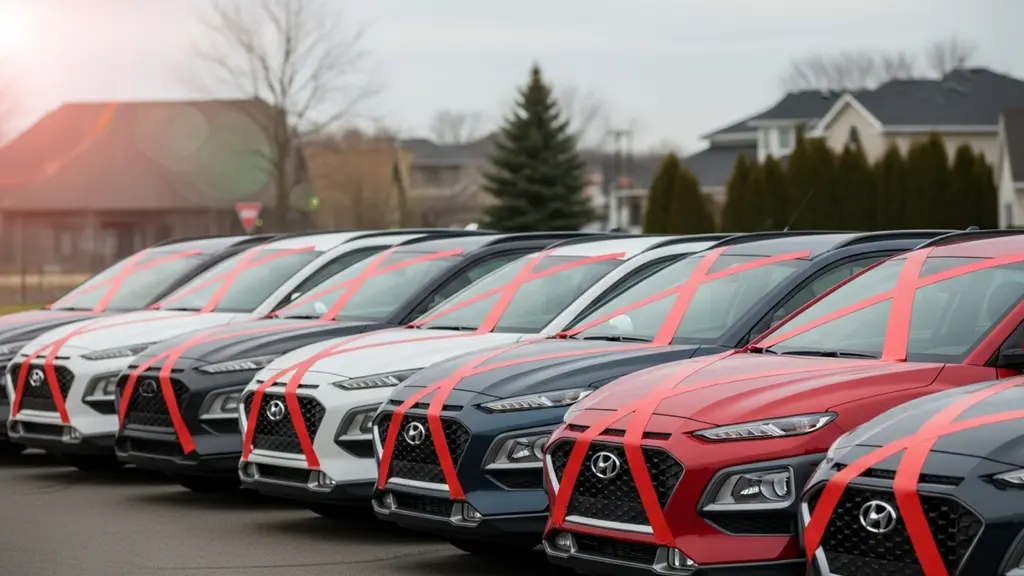
The 2018 model became the first Kona model year and it experienced a number of engine issues. The drivers were aware that the oil consumed by the engine was too much thus resulting in the engine breaking down at times. Owners were also annoyed in the early days with electrical glitches of the infotainment system.
2019 Hyundai Kona
Even the 2019 Kona continued to have problems with the engine, particularly in the 2.0-liter. Such transmission issues as bumped shifts became more common this year. Certain safety measures and electronics were ineffective that resulted in warnings and failure.
2020 Hyundai Kona
By 2020, a part of the engine problems had been resolved but not all. The Kona Electric version experienced EV battery issues that also resulted in recalls and the risk of a fire. Blind-spot detection and other technologies were also reported to be faulty occasionally by drivers.
2021 Hyundai Kona
The 2021 Kona was an improvement but nevertheless, experienced random transmission jerks and hesitation in acceleration. There were software bugs with the dashboard display for some owners. Some of the electric models had to be repowered by replacing their batteries after charging notifications regarding overheating.
Common Engine Problems You Should Know
I’ve noticed that some engine problems in the Hyundai Kona show up again and again. Knowing these issues can help you avoid surprises and expensive repairs.
Excessive Oil Consumption
Many Kona engines burn more oil than normal, especially the 2.0-liter models. This happens because the piston rings wear out too fast. If you don’t catch it early, it can cause serious engine damage.
Knocking or Ticking Noises
If you hear knocking or ticking from the engine, it usually means parts inside are worn or loose. These noises often warn of bigger problems like damaged pistons or bearings. Ignoring this can lead to engine failure.
Engine Stalling or Seizing
Some Kona engines suddenly stall or stop working while driving. This is often due to damaged cylinders or broken internal parts. It’s dangerous and expensive to fix if it happens.
Check Engine Light & Warning Indicators
The check engine light can come on when the Kona’s engine has issues. Sometimes you’ll also get low oil pressure warnings. These signals tell you to get your car checked right away.
Timing Chain / Timing Issues
Certain engines in the Kona face timing chain wear sooner than expected. This causes rough starts and can affect engine performance. Fixing timing chain problems early saves bigger repairs later.
EV Battery Issues in Kona Electric Models
There is a severe battery problem with the early models of the Kona Electric. The issue is due to one of the flaws inside lithium-ion battery cells that are capable of short circuiting. This danger is compounded by the fact that the battery is fully charged and it can even cause fires.
To correct this, Hyundai was forced to recall several 2019 and 2020 Kona Electric cars. To ensure that the drivers were safe, they fixed the battery management system and changed the damaged battery components.
These issues with batteries caused some of the owners to become concerned and damaged the reputation of the Kona Electric as a reliable vehicle. When considering purchasing one, make sure that any recall fixes have been carried out.
Cost of Owning a Problematic Kona
I’ve seen that fixing engine problems in a Hyundai Kona can cost around $4,300 on average. If the damage is worse, a full engine replacement can run between $10,000 and $11,500, depending on where you go.
Even smaller repairs like checking for leaks can cost between $120 and $180. When you add all these up, the costs can quickly become a heavy burden. Plus, electric Kona models with battery or electrical issues can need expensive part replacements. Choosing a reliable model year can save you a lot of money and stress in the long run.
Best Kona Years You Can Trust
I’ve checked out the Kona models that stand out for reliability and fewer problems. These years give you the best chance of owning a smooth-running Kona without headaches.
2021 Hyundai Kona
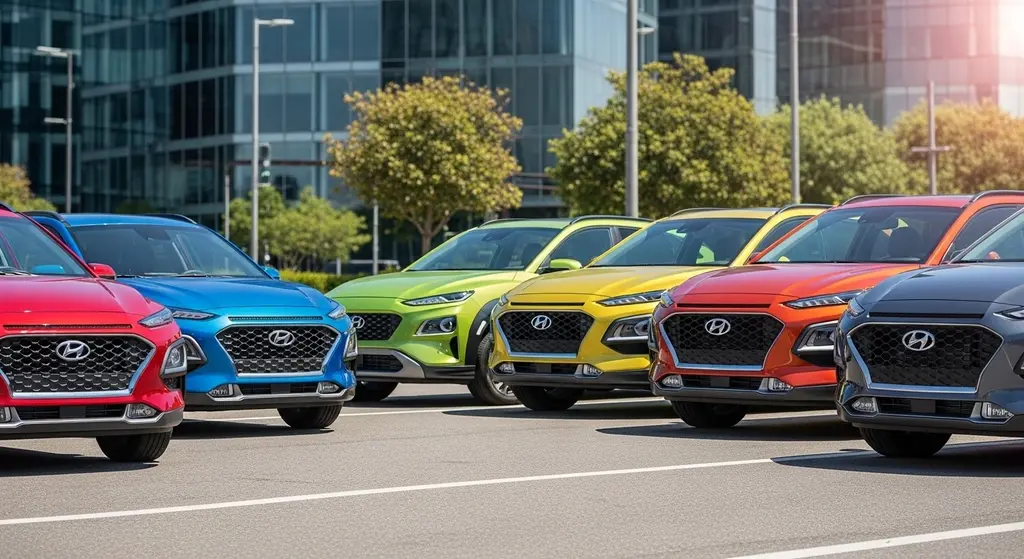
The 2021 Kona fixed many issues from earlier years, especially engine and transmission troubles. Owners report more reliable performance and fewer warning lights. It also has better software for safety features and infotainment.
2022 Hyundai Kona
The 2022 Kona got a design refresh and even smoother handling. This year saw fewer complaints overall, making it a solid choice for used buyers. Battery and electrical systems also showed big improvements.
2023 Hyundai Kona
The 2023 Kona is the most refined of the first generation. It runs quietly and delivers consistent power without engine or transmission problems. Many drivers say it feels like a new, well-built model with all bugs fixed.
Tips to Avoid a Bad Kona
I’ve learned that buying the right Kona means knowing what to watch for before you buy. These simple tips can help you avoid a model that gives you headaches later.
- Check if all recalls and repairs, especially for engine and battery, have been done.
- Listen closely for unusual engine noises or jerky shifting during a test drive.
- Test all electronics and safety features to make sure they work properly.
- Ask for full service records to see how well the car was maintained.
- Avoid early model years known for problems, like 2018 and 2019.
Conclusion
Choosing the right Hyundai Kona year can save you a lot of trouble and money. Early models had engine and battery problems that caused costly repairs and stress. But the newer ones, especially from 2021 onward, show real improvements in reliability and performance. So, if you want a Kona that’s smooth and worry-free, it’s smart to pick these later years. This way, you enjoy the fun and style without the risk of big problems.


