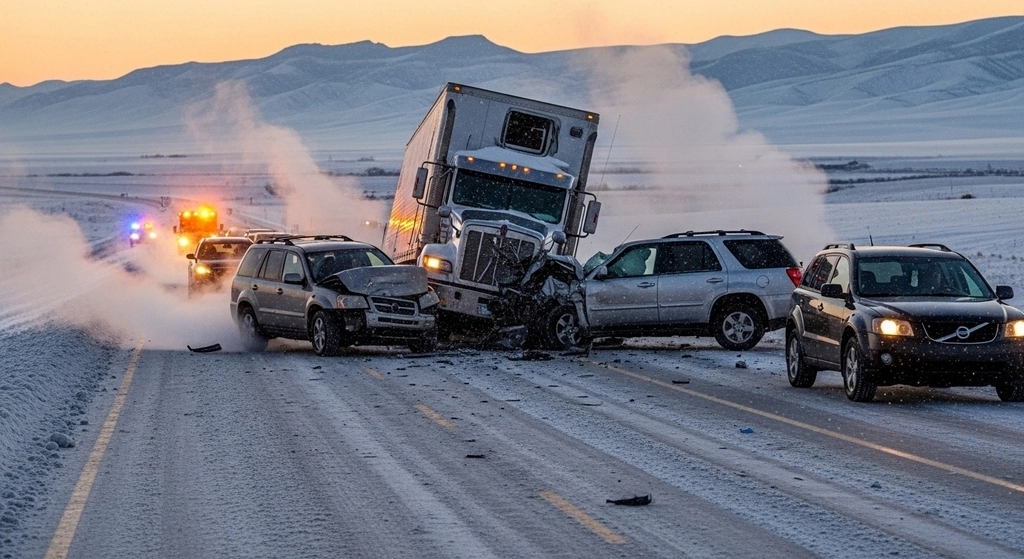

Wyoming’s long stretches of open highway and rural roads can feel peaceful, but when a serious wreck occurs, the aftermath raises important legal questions about fault, insurance claims, and compensation. Understanding what happens after a major collision on Wyoming roads helps you anticipate how the legal process unfolds and how the law defines responsibility and available remedies.
Understanding Fault and Liability Rules
Under Wyoming’s modified comparative negligence rule, fault for a crash is divided among involved parties according to their share of responsibility, and you may be barred from recovery if your share exceeds fifty percent. In practice, a car accident lawyer in Wyoming may explain how these rules shape a claim and how evidence is used to support each party’s position. Because this rule applies to all vehicle accidents, including those on rural roads, insurance companies often analyze conduct before, during, and after the collision when assigning fault.
Insurance Coverage Requirements and Claims
Wyoming requires drivers to carry minimum liability insurance, which covers certain damages to others if you cause a wreck, with limits set in statute. This coverage helps pay for injuries and property damage up to those limits, but serious collisions may exceed available coverage.
If the at-fault driver lacks sufficient insurance, you may need to turn to your own uninsured or underinsured motorist coverage, if your policy includes it, to cover additional losses. Insurance adjusters will evaluate fault and injuries before agreeing to pay, and those evaluations can lead to disagreements that delay settlement.
Statutes of Limitation for Filing Lawsuits
Wyoming law sets time limits, called statutes of limitation, within which you must file a civil lawsuit after a wreck. For most personal injury claims arising from a vehicle accident, you generally have up to four years from the date of the accident to file suit, which affects your ability to build a strong car accident claim and get fair compensation under state law.
If you miss this deadline, your claim may be barred, and a court will normally dismiss it if raised as a defense. Observing these deadlines helps preserve your legal right to pursue compensation through the court system.
Handling Evidence and Documentation
Documents and records related to a crash play a central role in resolving disputes about both fault and damages under Wyoming law. Medical records, billing statements, repair estimates, photographs of the scene, police reports, and witness statements are commonly used to establish how the collision occurred and the extent of your injuries or property damage. In serious wrecks, additional materials such as employment records or expert evaluations may also be used to document financial losses.
Maintaining complete and organized documentation helps present a consistent account of events and supports the value of your claim. Insurers rely on written records when evaluating liability and damages, and courts require admissible evidence if a dispute proceeds to litigation. Gaps, inconsistencies, or missing records can weaken a claim and lead to disagreements over responsibility or compensation.
Settlement Versus Litigation
Most claims begin with negotiation between insurers, but disagreements over liability or the amount of damages can lead to lawsuits. Litigation involves filing a complaint in court and following procedures such as exchanging information between parties and attending hearings, which can take months or years.
In rural states like Wyoming, the process may include case conferences and deadlines set by local courts, and understanding these requirements helps you set realistic expectations for handling your claim.
Rights After a Wrongful Death
If a collision results in a fatality, Wyoming law allows certain family members to bring a wrongful death action for losses related to the death, including funeral expenses and loss of support that the deceased provided. These claims have their own deadlines and eligibility rules that differ from injury claims, and missing the applicable filing period can forfeit your right to pursue the claim.
Common Challenges on Rural Roads
Collisions on Wyoming’s wide-open or less-traveled roads can present unique challenges, such as fewer witnesses, delayed emergency responses, and longer distances to hospitals. These factors can complicate evidence gathering and influence the timing of claims.
Understanding how these elements fit into Wyoming’s legal framework helps you anticipate the practical issues that often arise after a serious wreck.
How to Plan for What Comes Next
Understanding the legal steps after a major crash on Wyoming’s roads helps you approach the post-accident process with clearer expectations. Clear records, knowledge of insurance rules, and awareness of deadlines all support your ability to pursue a claim under Wyoming law, whether it settles with insurers or becomes a lawsuit in court.