
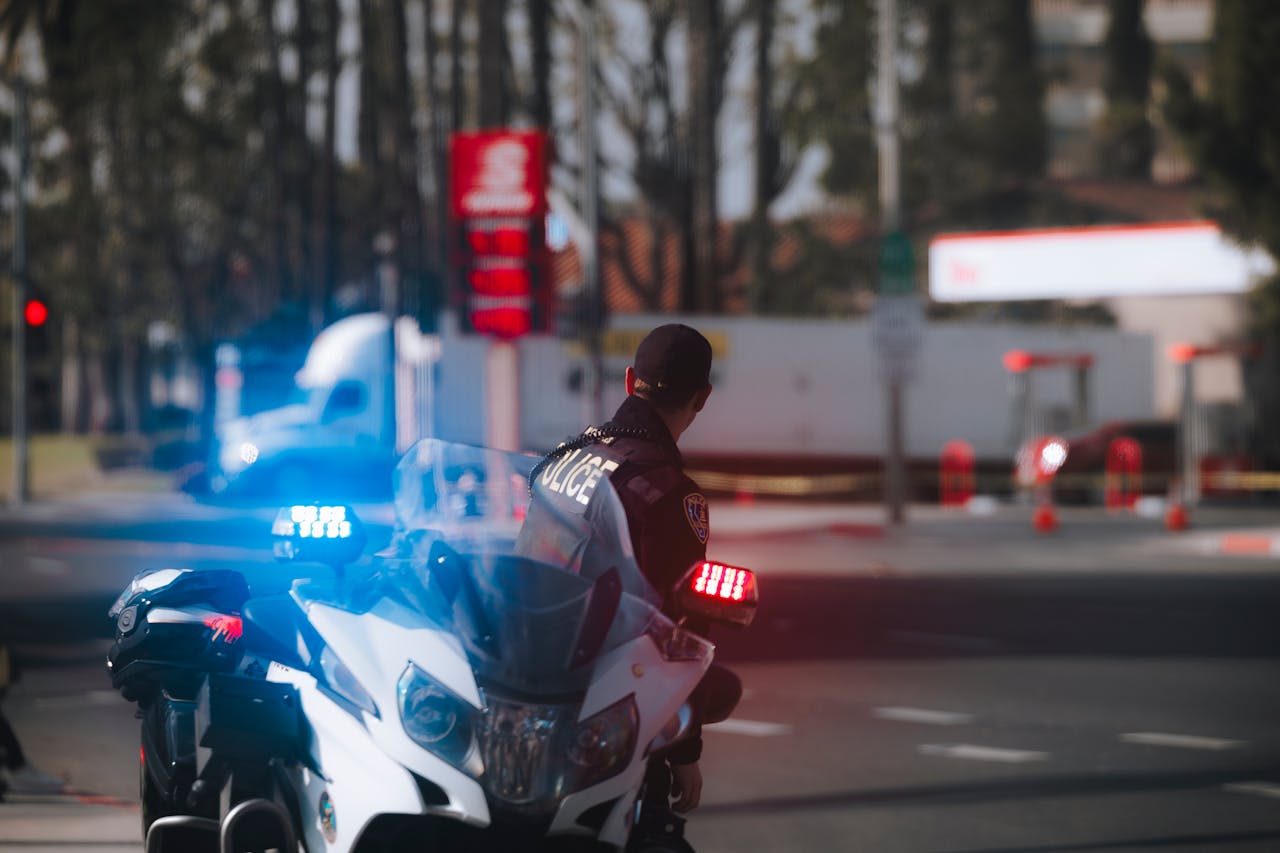

Getting in an accident is bad enough. Don’t make it worse by getting a traffic ticket too.
Here’s the thing…
A lot of drivers don’t realize that their actions after an accident can get them traffic citations they don’t expect. And those citations cost money.
The good news?
Knowing how to handle an accident can keep you from getting in trouble with the law after an accident.
In this article, we’ll cover:
- Why Accidents Lead to Traffic Tickets
- Safe Driving Habits to Avoid Traffic Tickets
- What To Do After an Accident
- Traffic Tickets After an Accident
Why Accidents Lead to Traffic Tickets
Let’s be clear about one thing…
A car accident does not automatically mean you’re going to get a ticket. But it does make it more likely.
Police are going to investigate the accident, yes. But they’re also going to make note of other factors. Did you speed? Were you changing lanes? Did you actually stop at that red light? If they find that you were in violation of a traffic law that caused the accident, then you can expect to be cited for it.
And what most drivers don’t realize is this:
Just because the ticket is not for causing the accident itself, you can still be liable to pay for a traffic ticket for other violations in your driving. Perhaps you were distracted by your phone. Or maybe your tail light was out.
Police officers issue over 112,000 driving citations daily. That’s huge. And a large percentage of those citations are given out at an accident scene.
If you receive a citation after an accident, it is in your best interest to contact professionals that deal with a traffic ticket Miami case or elsewhere. They’ll know how to either lessen the penalties or fight it in court.
Safe Driving Habits to Avoid Traffic Tickets
What can you do to avoid traffic tickets in the first place?
The key is to make sure that you’re on your best behavior at all times. The vast majority of traffic tickets are totally avoidable if you know what circumstances give them away.
Speed is the Number One Offender
Speed is the number one reason why people get traffic tickets. Full stop.
From the research done, speeding causes 29% of all traffic fatalities. Nearly a third of deaths on the road are because of people who just ignore speed limits. No surprise, then, the police want you to slow down.
The solution? Well, it’s simple but not necessarily easy…
- Use your cruise control if you have one.
- Give yourself more time to get to your destination.
- Keep track of when speed limits change.
Distracted Driving is Next Closest
Oh, that notification? You can wait to see what it is.
Pulling out your phone while driving is a bad idea. Texting. Scrolling through social media. Even hands-free phone calls are shown to slow down reaction times. If you get into an accident while distracted, though? The citation and liability for damages follow you.
Away goes the phone, then. A quick glance will not do. Unless you enjoy taking the risk.
Following Too Close Behind
Tailgating is another surefire way to get a rear-end accident.
And guess who gets the ticket when you rear-end someone? Yes, that’s right. You do. Rear-end collisions are always the fault of the driver at the back. At least three seconds of following distance at all times is recommended.
Increase it even more in inclement weather conditions.
What to Do After a Car Accident
You’re involved in a car accident. Now what?
Step One: Don’t Panic
Do not leave the scene. Do not yell at the other driver. Do not say that you’re sorry or that you think you’re at fault. You never know how the officer taking the report is going to use your words later to give you a citation.
Step Two: Check for Injuries
Safety first. Call 911 if anyone involved in the accident is injured.
Step Three: Move to the Side of the Road If You Can
If the vehicles are driveable, and the accident is not impeding traffic, then drive them to the shoulder. Remaining at the middle of the road causes more accidents and possibly more violations.
Step Four: Gather Information
Pull out the camera on your phone and take pictures of the damage to both vehicles and to the surrounding areas. Get the names of any witnesses, and write down a description of what happened while it’s still fresh in your head. You’ll need this information later if you want to dispute the ticket.
Step Five: Be Cooperative, But Know Your Rights
The officer will ask you some questions. Answer them. But don’t give any more information that could be used against you later in court. If you say “I didn’t see them”, that is basically you admitting guilt for negligence.
How a Traffic Ticket Can Affect You After an Accident
“I’ve gotten tickets before and it’s no big deal.” Wrong.
A single speeding ticket can raise your car insurance premium by 25% on average. That’s hundreds of dollars more you have to pay for insurance each year because you were driving too fast. Do that too often, and you’re just digging yourself a financial hole.
And it doesn’t stop there, either:
- Points get added to your license
- Enough points, and your license gets suspended
- The accident claim can get penalized
- Insurance premiums in the future remain higher
The monetary loss from a traffic citation is much more than just that single ticket. That’s why it’s important to fight a ticket you feel is unfair.
When to Fight a Traffic Ticket
If you get a ticket, you shouldn’t just pay it and move on. Some situations do call for a ticket to be paid in full.
But there are some situations where fighting your ticket makes sense. Did the officer make a mistake? Was the traffic sign missing? Do you have evidence that can back your innocence?
You can fight your ticket if the following applies:
- You have dashcam footage that backs up your case.
- Witnesses can give statements that support your claims.
- There are errors in the citation.
- You don’t agree with the officer’s judgment.
Many tickets get thrown out or lessened if you actually go to court to fight it. Most people pay and move on. Don’t be those people.
Building Good Driving Habits for the Long-Term
Driving safely is not something you only do when you see a police car behind you.
It’s about making those driving habits become second nature to you. Great drivers don’t need to think about whether or not they’re following traffic laws because they’re already programmed in.
You can do that by following these three steps:
Start with awareness. Pay attention to your speed. Check your rear-view mirrors every so often. Anticipate other drivers’ next moves.
Next, be patient. Road rage. Aggression. Impatience. These lead to more accidents than nearly anything else. Leave extra time to get to your destination. Let the aggressive drivers go by.
Finally, maintain your vehicle. Check that your brake lights and turn signals are working. Make sure your headlights work, too. You don’t want to get cited for a technical violation on top of a minor fender bender.
Conclusion
You can avoid traffic tickets after an accident if you are proactive and make smart decisions.
Defensive driving is key. You should also be able to follow the laws all the time. Know your rights when you get into an accident, and be aware of the potential tickets you can get because of the accident. And if you do receive a citation that you feel is unfair? Don’t just pay and walk away.
Road conditions and other drivers can be unpredictable. Other drivers can make mistakes. The weather changes. But you and your own driving habits? Those are the only things that you can control.
Develop the right ones, and you won’t have to worry as much about receiving tickets in the mail.