
Operating a vehicle on Indiana roadways requires constant risk and environmental condition assessments. Data from the Indiana Criminal Justice Institute shows that hundreds of residents lose their lives annually in preventable collisions.
According to a Lafayette car accident lawyer, staying informed about the specific mechanics of these crashes helps you identify hazards before they lead to tragedy, as the legal and physical aftermath of a fatal collision creates an immense burden for surviving family members.
Head-On Collisions on Rural and State Roads
Head-on collisions represent a disproportionately high percentage of road deaths despite occurring less frequently than rear-end bumps. In Indiana, these accidents often happen on two-lane rural highways when a driver crosses the center line due to impairment or exhaustion. The combined velocity of the two moving vehicles creates a massive transfer of energy that frequently overwhelms the safety features of modern cars.
Distraction remains a primary catalyst for vehicles drifting out of their designated lanes. When you look at a phone or reach for an object, your vehicle travels hundreds of feet without human guidance. High speeds amplify the severity of these front-to-front impacts because the collision force increases exponentially with velocity. These crashes often result in catastrophic structural intrusion into the occupant space.
Rollover Incidents and Vehicle Dynamics
Rollover accidents occur most frequently in vehicles with a high center of gravity, such as SUVs, pickup trucks, and vans. These incidents often involve a single vehicle that loses traction and “trips” over a curb, a guardrail, or soft shoulder soil. Rollovers are particularly dangerous because they increase the likelihood of occupant ejection and passengers’ death. Roof crush injuries also contribute to the high fatality rate in these specific scenarios.
Sudden steering maneuvers at high speeds often trigger a rollover. If you jerk the steering wheel to avoid an animal or debris, the lateral forces can cause the tires to lose their grip and the vehicle to flip. Electronic Stability Control (ESC) systems help mitigate this risk, but they cannot overcome the laws of physics if a driver is traveling too fast for the road curvature. Maintaining a steady hand and avoiding over-correction helps keep the tires planted on the pavement.
T-Bone and Side-Impact Hazards at Intersections
Side-impact collisions, commonly known as T-bone accidents, happen when the front of one vehicle strikes the side of another. These crashes are frequent at Indiana crossroads where drivers fail to yield the right of way or ignore traffic signals. The side of a vehicle offers much less protection than the front or rear because there is very little space between the door and the occupant. Crumple zones are limited in these areas, which means the energy of the impact travels directly into the person sitting in the path of the striking car.
Intersections in high-traffic areas require your full attention and a deep understanding of the split-second mistakes to avoid. Many of these fatal events occur when a driver attempts to “beat” a yellow light and enters the intersection while opposing traffic receives a green signal. Side-impact airbags provide some protection, but the force of a high-speed T-bone often leads to internal organ damage or traumatic brain injuries. Safety experts recommend verifying that all lanes are clear before proceeding through a light as a defensive driving measure.
High-Speed Single-Vehicle Crashes
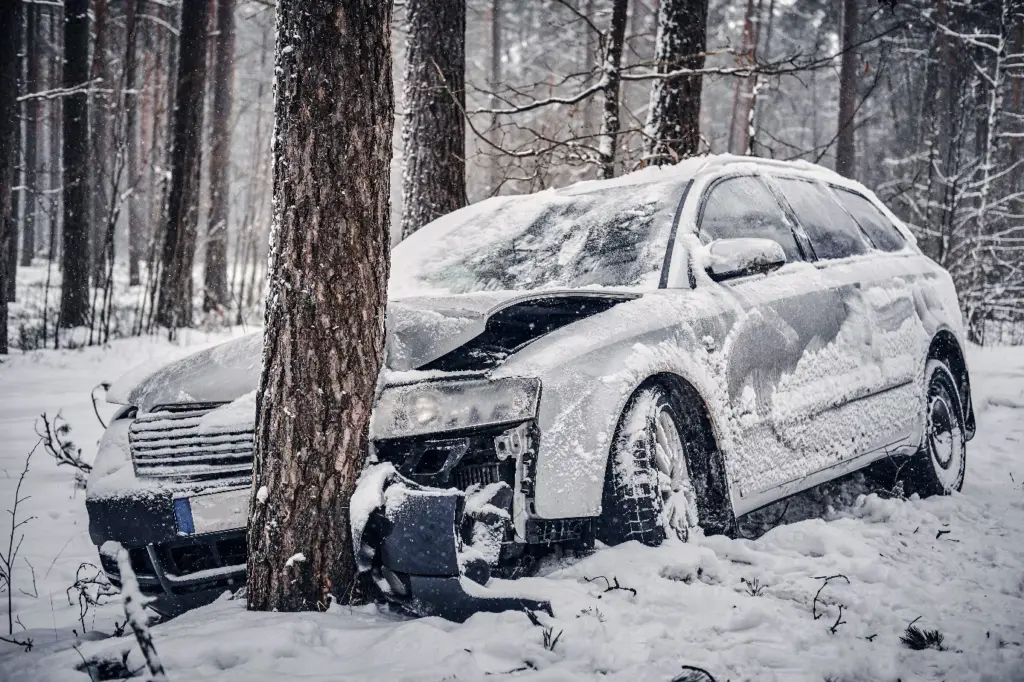
Single-vehicle crashes often involve a driver losing control and striking a fixed object, such as a tree, utility pole, or bridge abutment. Speeding is the most common factor in these fatalities, as it reduces the time you have to react to a curve or an obstacle. Rural Indiana roads pose a specific threat because they lack lighting and often have narrow shoulders, leaving no room for error. When a vehicle leaves the roadway at high speeds, the impact with a stationary object is often as deadly as a collision with another car.
Environmental factors, such as black ice or heavy rain, contribute to these loss-of-control incidents. If your tires lose contact with the road surface, the vehicle becomes a projectile that continues to follow its current momentum. Maintaining a speed appropriate to the weather conditions is a legal requirement under Indiana’s basic speed law. This rule requires you to drive at a speed that is reasonable and prudent for the current visibility and road surface.
Commercial Truck and Underride Accidents
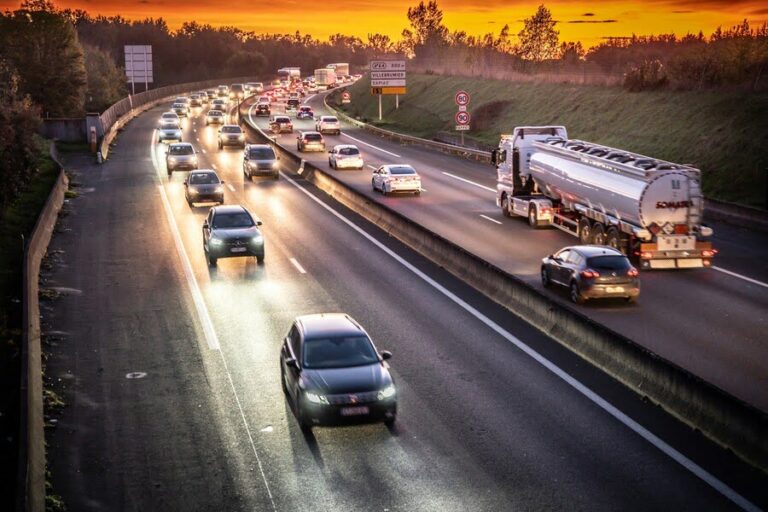
Collisions involving large commercial trucks account for a significant share of Indiana’s fatal accident data, given the state’s role as a national logistics hub. An underride accident occurs when a smaller passenger vehicle slides underneath the trailer of a semi-truck during a rear-end or side-impact crash. These events often result in the shearing off of the passenger compartment’s roof, which leads to fatal injuries for those inside. Federal mandates require rear underride guards, though side-impact protection remains a developing regulatory area.
The massive weight difference between a 3,000-pound car and an 80,000-pound truck ensures that the smaller vehicle sustains the majority of the damage. Truck drivers have significant blind spots, and their braking distance is much longer than that of a standard car. You should avoid lingering in the “No-Zone” beside or behind a trailer to minimize the risk of being caught in a truck’s path during a sudden lane change. Keeping a wide berth around large rigs is a fundamental safety practice on Indiana interstates.
Committing to Safer Indiana Travels
Prioritizing these safety habits transforms the driving culture from one of risk to one of responsibility. You have the power to influence road safety by making conscious choices before you ever put the vehicle in gear. While you cannot control other motorists’ actions, your own preparation and focus are the best defense against a fatal encounter. Promoting a local environment where safety is the standard helps protect every resident of the state.