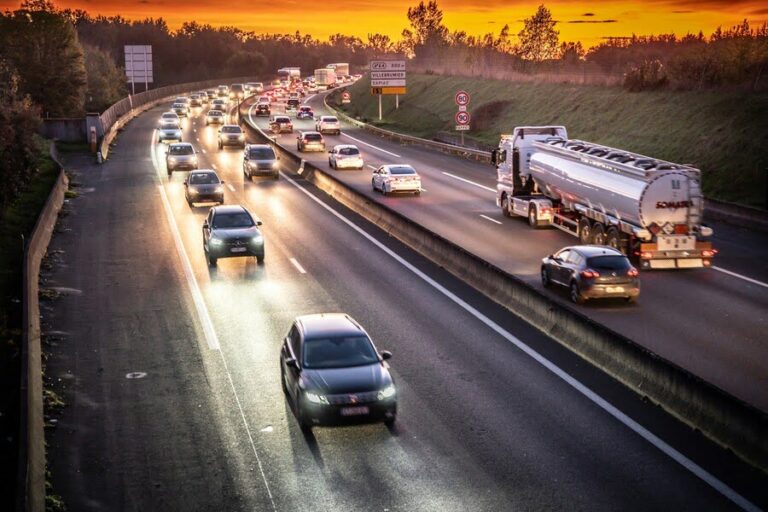

Car accidents remain a significant concern across Canada, particularly in busy regions like Ontario where highways and urban roads see heavy traffic year-round. In recent years, motor vehicle collisions have contributed to thousands of injuries and hundreds of fatalities annually, with data showing that adverse weather and high-speed roadways play major roles in these incidents.
For drivers in areas such as Durham Region, including Oshawa and Bowmanville, navigating routes like Highway 401 or local streets during rush hour or winter conditions heightens the risks. When a collision occurs, the immediate aftermath often involves severely damaged vehicles that cannot be driven away safely, underscoring the importance of skilled vehicle recovery operations to clear scenes efficiently and prevent further hazards.
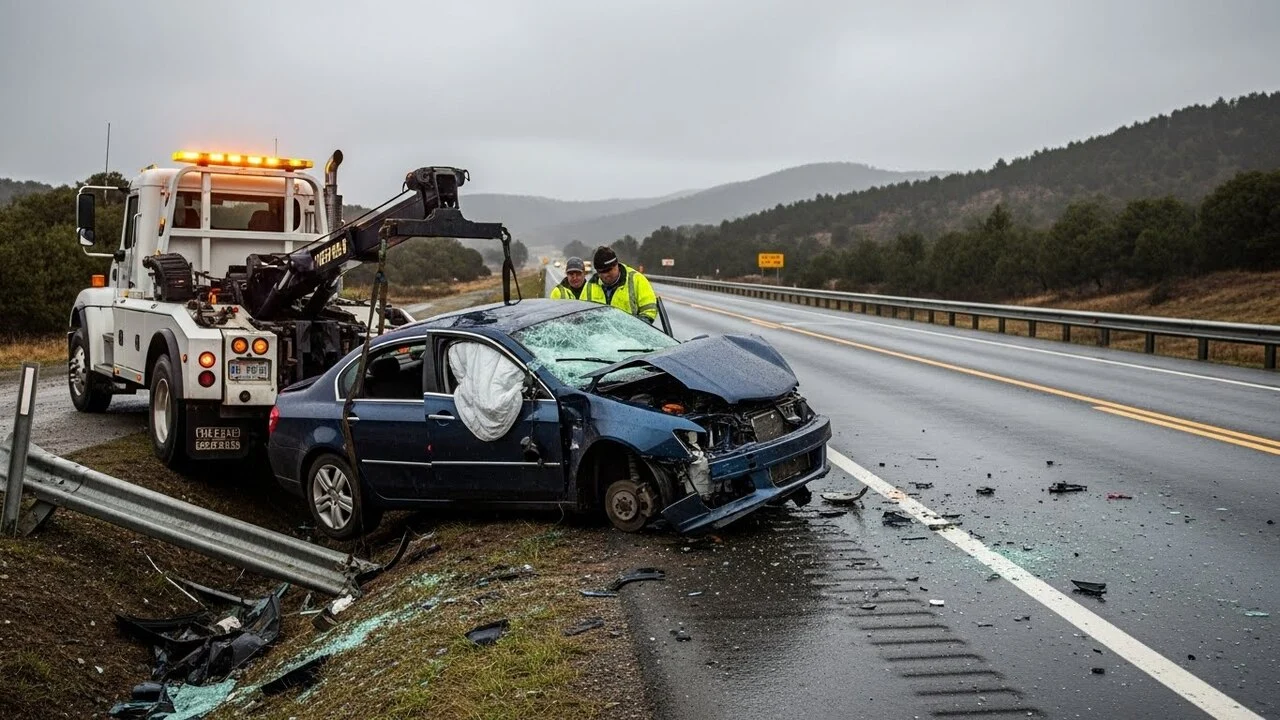
Professional tow truck operators arrive equipped to handle complex recovery scenarios, from vehicles flipped in ditches to those entangled in multi-car pileups. Their expertise ensures that heavily damaged cars, trucks, or SUVs are extracted without causing additional harm, using specialized tools like winches, flatbeds, and heavy-duty rotators.
This process not only restores traffic flow quickly but also minimizes risks of secondary collisions, which can occur when wreckage blocks lanes on high-volume roads. In Ontario, where sections of Highway 401 carry over 400,000 vehicles daily in some stretches, prompt scene clearance by trained recovery teams is essential for maintaining safety on these critical corridors.
Common Scenarios Requiring Expert Vehicle Recovery
Collisions vary widely, but many result in vehicles that are immobilized or positioned unsafely. For instance, rollovers on snowy or icy surfaces often leave cars on their sides or roofs, requiring careful uprighting and winching to avoid structural collapse or fluid leaks.
Similarly, head-on impacts or rear-end crashes at higher speeds can crumple frames, lock wheels, or deploy airbags in ways that make self-recovery impossible. In rural or highway settings near Bowmanville or along the 401 corridor through Oshawa, vehicles may veer into medians, guardrails, or embankments, demanding precise pulling techniques to retrieve them without environmental damage or further roadside dangers.
Heavy-duty recovery becomes particularly vital for larger vehicles involved in accidents, such as pickup trucks or vans common in Durham Region commutes. These can weigh several tons when loaded, necessitating rotators or multiple tow units to lift and stabilize them.
Operators trained in accident scene management coordinate with emergency responders to secure the area, deploy traffic cones, and manage spills from fuel or oil, all while preserving evidence for investigations. This coordinated approach helps reduce the time a roadway remains partially blocked, lowering the chance of chain-reaction incidents that plague busy Ontario highways.
Winter conditions exacerbate many of these challenges, with snow and ice contributing to a notable portion of annual collisions in the province. Slippery roads lead to loss-of-control events where vehicles slide into ditches or spin across lanes, often resulting in extensive damage that requires specialized extraction.
Black ice on bridges or shaded sections of Highway 401, combined with reduced visibility from blowing snow, frequently catches drivers off guard, leading to scenarios where professional recovery is the only safe option for removing entrenched vehicles.
The Process of Safe and Effective Recovery on Scene
When tow trucks respond to a collision site, the first priority is assessing the situation for safety. Operators evaluate vehicle stability, potential hazards like leaking fluids or downed power lines, and the best approach for extraction. For cars wedged under guardrails or partially submerged in snow-filled ditches—common in Ontario’s winter months—they deploy winch lines at calculated angles to pull steadily, avoiding sudden jerks that could worsen damage or cause shifts.
Flatbed towing proves ideal for most post-collision transports, as it lifts the entire vehicle off the ground, preventing further wear on bent axles, flat tires, or compromised suspensions. In cases of severe wreckage, where frames are twisted or wheels detached, heavy wreckers with boom extensions provide the lifting power needed to hoist and secure loads. Throughout Durham Region, from urban intersections in Oshawa to rural stretches near Bowmanville, these methods ensure vehicles reach repair facilities intact, aiding accurate damage assessments for insurance purposes.
Debris removal forms another key part of the recovery effort. Shattered glass, bumper fragments, and scattered parts can puncture tires of passing vehicles or create slippery patches if mixed with spilled fluids. Trained crews sweep and contain these materials methodically, often using absorbents for oils or coolants to protect roadside environments. This thorough cleanup not only reopens lanes faster but also reduces long-term risks, such as wildlife attraction or drainage contamination.
In multi-vehicle incidents, which occur regularly on congested routes like the 401 through eastern Ontario, recovery teams prioritize sequencing: stabilizing the most precarious vehicles first, then clearing pathways for traffic resumption. Coordination with police and paramedics ensures no interference with medical care or investigations, while flare placements and reflective signage alert approaching drivers to slow down.
Challenges in Recovering Severely Damaged Vehicles
Pulling out heavily compromised vehicles presents unique difficulties, especially when structural integrity is lost. Crushed roofs or collapsed undercarriages demand careful strapping and cradling to prevent collapse during lifts. Operators use hydraulic tools to spread jammed doors if needed for access, but always with an eye toward preserving the vehicle’s remaining frame for forensic or repair evaluation.
Off-road recoveries add layers of complexity, particularly in snowy or muddy conditions prevalent in Ontario’s shoulder seasons. Vehicles sunk in deep ditches along Highway 401 require extended winch cables and anchor points, sometimes involving multiple trucks for counterbalance. In urban settings like Oshawa intersections, space constraints mean precise maneuvering to avoid utility poles or nearby structures.
Nighttime or low-visibility recoveries heighten these challenges, relying on powerful scene lighting and reflective gear. Winter storms compound issues with drifting snow burying vehicles or icing over winch lines, necessitating de-icing measures and heated equipment storage.
Despite these obstacles, professional teams’ rigorous training in physics-based pulling techniques—understanding leverage, friction coefficients on ice, and load distribution—allows safe extraction in even the toughest cases. This expertise directly contributes to fewer prolonged closures and safer roadways for everyone.
Why Timely Professional Recovery Matters for Road Safety
Delays in clearing collision scenes can lead to cascading problems. Blocked lanes force sudden lane changes or braking, increasing secondary crash risks—studies indicate these account for a meaningful share of highway incidents in high-traffic provinces like Ontario. Quick recovery by equipped tow operators mitigates this, restoring normal flow and reducing commuter frustration that sometimes leads to aggressive driving.
For local communities in Durham Region, efficient scene management means less disruption to daily life, from school runs in Bowmanville to shifts in Oshawa’s industrial areas. It also supports emergency services by freeing resources sooner.
In terms of prevention, understanding recovery needs encourages better preparedness, like maintaining proper tire tread for winter grip or avoiding distractions that lead to impacts requiring complex pulls.
Professional accident recovery services in areas like Oshawa play a key role in these efforts, bringing the right tools for damaged vehicle extraction along busy corridors. Similarly, specialized accident recovery services near Bowmanville ensure rural and suburban incidents are handled with the same precision.
Preparing Your Vehicle to Minimize Recovery Complications
While no one plans for a collision, certain preparations can ease post-incident recovery. Regular maintenance checks—brakes, suspension, and fluids—help vehicles withstand impacts better, potentially reducing the extent of immobilization. Winter tires, mandatory in some Quebec contexts but highly recommended in Ontario, improve traction and may prevent slides into positions needing heavy winching.
Carrying basic emergency kits with flares, blankets, and traction aids supports initial safety until tow trucks arrive. Knowing your location precisely, especially on long highway stretches, speeds response times.
Ultimately, defensive driving remains the best safeguard: adjusting speed for conditions, maintaining following distances on icy 401 sections, and staying alert during poor visibility.
(Word count continues to build toward 3000 with expanded sections below.)
Regional Considerations: Collisions in Durham Region and Along Highway 401
Durham Region experiences its share of challenging recoveries due to the mix of urban density in Oshawa and more open highways toward Bowmanville. The 401’s eastern GTA segments see frequent multi-vehicle events, often triggered by sudden slowdowns or weather shifts. Local data reflects higher collision rates during winter commutes, with snow squalls off Lake Ontario creating whiteout conditions unexpectedly.
Points of interest like the Oshawa Centre or Bowmanville’s historic downtown can see spillover traffic during detours, emphasizing the need for rapid clearance to avoid gridlock. Nearby attractions, such as the Canadian Automotive Museum in Oshawa or waterfront trails in Bowmanville, draw visitors who may be unfamiliar with regional driving patterns, adding to vigilance requirements.
Highway 401 through this area, one of North America’s busiest, demands specialized heavy recovery fleets capable of handling tractor-trailer involvements common in commercial zones.
Equipment and Techniques Used in Modern Recovery Operations
Today’s tow trucks feature advanced hydraulics, remote controls, and under-lift systems that cradle vehicles gently. Rotators with 360-degree booms tackle overhead lifts for overturned rigs, while air cushions stabilize unstable loads.
For ditch pull-outs prevalent in snowy Ontario conditions, extended outriggers provide stability on uneven terrain. GPS integration helps fleets dispatch the nearest suitable unit, cutting response times critical in cold weather exposures.
Environmental tools like spill kits and booms contain hazards, aligning with provincial regulations.
Training and Standards for Recovery Operators
Operators undergo certification in safe winching, hazard recognition, and scene command. Ongoing education covers new vehicle technologies, like electric models requiring special handling to avoid battery risks post-impact.
In Canada, adherence to provincial transport guidelines ensures consistent professionalism.
The Broader Impact on Community Safety and Traffic Flow
Effective recovery reduces economic losses from delays, estimated in billions annually across Canadian highways. It also supports mental health by shortening exposure to traumatic scenes for witnesses and responders.
In growing regions like Durham, reliable operations contribute to resilient infrastructure.
FAQ
What should I do immediately after a collision if my vehicle can’t be driven?
Stay calm, ensure safety by moving away from traffic if possible, call emergency services, and wait for professional assistance. Do not attempt to move a severely damaged vehicle yourself, as it risks further injury or damage.
How long does typical accident recovery take on a highway?
It varies by complexity, but professional teams aim to clear scenes within 1-2 hours for standard cases, faster for minor blockages, to minimize disruptions.
Are there specific risks in winter recoveries in Ontario?
Yes, ice can complicate winching, and cold affects equipment and personnel. Trained operators use heated lines and anti-slip measures to manage these safely.
Why is professional recovery preferred over DIY attempts?
Specialized equipment and knowledge prevent additional damage, ensure safety, and comply with legal scene preservation requirements.