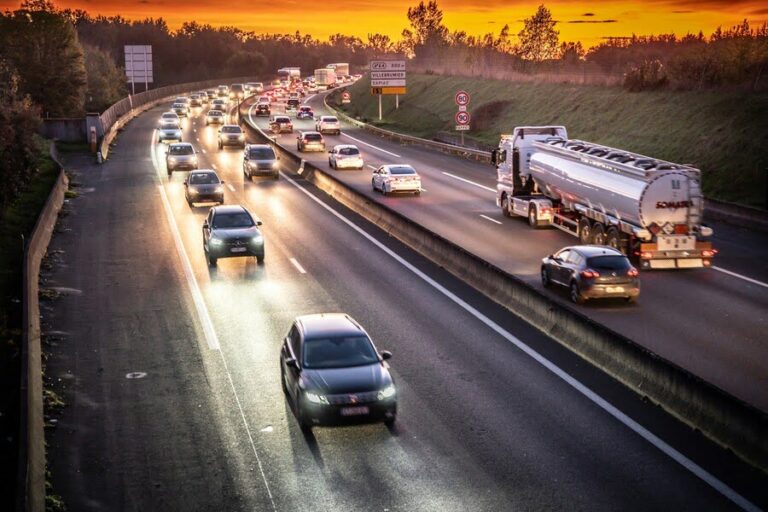

Driving in New York is a real adventure. One minute you are rolling along just fine, the next you are braking hard because a car stopped short, a cyclist appeared from nowhere, or a delivery van decided to double park without warning. It does not matter how long you have been driving here. The roads are busy, unpredictable, and packed with distractions.
That reality is why vehicle safety features matter so much in this state. Automatic emergency braking, blind spot monitoring, and camera systems are no longer fancy extras. For a lot of New York drivers, they are quiet helpers that step in when traffic gets messy. They do not prevent every accident and they don’t erase risk. What they do is reduce the chance of getting hurt when things go wrong.
Why These Roads Are a Different Kind of Challenge
New York driving comes with layers of complexity. Traffic is dense in the city. High-speed highways upstate. Tight parking spaces everywhere and there are many pedestrians who step off the curb while looking at their phones.
Even low-speed crashes can cause injuries here. Bumper-to-bumper traffic leads to rear-end collisions. Lane changes happen fast. Intersections are crowded and often confusing. According to national safety research, urban areas like this account for a large share of injury-related crashes, even though average speeds are lower than on rural highways.
That is where safety technology becomes useful. Not in some abstract future sense. Right now. In everyday driving.
Automatic Emergency Braking and Why It Matters So Much
Automatic emergency braking, usually called AEB, is one of the most effective safety features on modern vehicles. The system uses sensors and cameras to watch the road ahead. If it senses a potential crash and the driver does not react in time, the car applies the brakes on its own.
This matters in New York because rear-end crashes are incredibly common here. Stop-and-go traffic creates endless chances for delayed reactions. One second of distraction can lead to a collision.
Studies from the Insurance Institute for Highway Safety show that vehicles equipped with forward collision warning and automatic emergency braking experience nearly a 50% reduction in front-to-rear crashes compared to vehicles without these systems. Injury-related rear-end crashes drop by more than 50% as well.
Those are not small improvements. They are meaningful reductions in situations New York drivers face daily. More recent testing shows just how far the technology has come.
Newer vehicles with updated AEB systems avoided forward collisions at low speeds in controlled tests 100% of the time. Older systems performed far worse. That difference alone makes a strong case for newer safety tech when choosing a vehicle.
AEB does not make you invincible. Rain, snow, worn sensors, and extreme speeds can reduce effectiveness. But in everyday city driving, it saves drivers from impacts that would otherwise cause neck, back, and shoulder injuries.
Blind Spot Monitoring in Crowded Traffic
Blind spot monitoring system watches areas that mirrors cannot fully cover and alerts the driver when another vehicle is there.
In the Big Apple lane changes happen fast. Highways like the Long Island Expressway or the Cross Bronx Parkway demand quick decisions. Even city streets require frequent merging and repositioning.
Insurance data shows blind spot monitoring reduces lane-change crashes by about 14%. Injury-related lane-change crashes drop by nearly 23%when these systems are present.
Side-impact crashes are especially concerning because they offer less protection than front-end impacts. When a vehicle strikes the side of another, occupants can suffer serious injuries even at moderate speeds. Blind spot monitoring helps reduce those moments where a driver simply did not see another car.
Still, the system works best as a backup. Drivers who rely on it without checking mirrors or turning their heads create new risks. Technology supports awareness. It does not replace it.
Cameras and Better Visibility Where Drivers Need It Most
Backup cameras are now required on new vehicles, but many cars go much further. Surround-view cameras, cross-traffic alerts, and wide-angle rear cameras all aim to solve the same problem, and that is limited visibility.
New York drivers deal with tight garages, crowded parking lots, narrow streets, and constant foot traffic. Seeing clearly when reversing or parking can prevent injuries, especially to pedestrians and cyclists.
Research shows rearview cameras alone reduce back-up crashes by about 17%. When combined with rear automatic braking, backing-related crashes drop by more than 75%. Those numbers matter in places where children, seniors, and pedestrians are always nearby. Cameras reduce blind spots, but they also reduce stress. Drivers can maneuver with more confidence and fewer moments of guesswork.
As with any system, overreliance creates risk. Cameras have blind spots too. Weather can obscure lenses. Drivers still need to look around. But the added visibility changes the odds in a meaningful way.
Even With Safety Tech, Injuries Still Happen
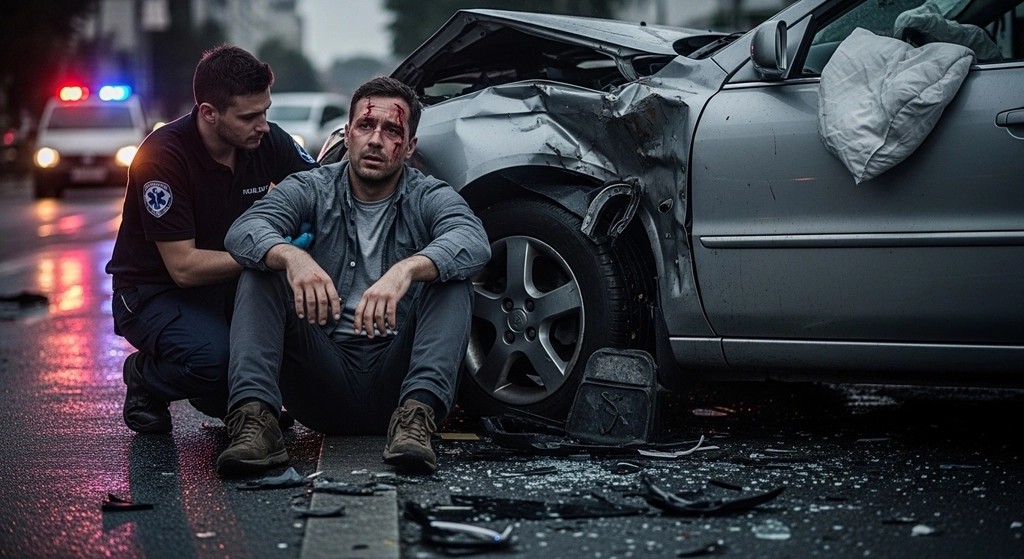
Here is the part that often gets overlooked. Even with the best safety features available, people still get hurt in car accidents. Technology reduces risk and severity, yes, but it does not eliminate accidents altogether.
Other drivers make mistakes. Commercial vehicles behave unpredictably. Road conditions change. AEB cannot stop a car from being hit from behind. Blind spot monitoring cannot control what someone else does.
New York operates under a no-fault insurance system. That means your own insurance typically covers medical expenses and some lost wages after a crash, regardless of who caused it. This system helps speed up care, but it also limits when you can pursue additional compensation.
When injuries are serious or long-lasting, drivers may need help dealing with insurance claims and all legal things. Getting in touch with a good Manhattan personal injury lawyer is a wise move during those situations. For drivers dealing with pain, paperwork, and insurance pressure, having guidance can make the process more manageable. Especially when injuries affect daily life or work.
Choosing the Right Safety Features When Buying a Car
For those shopping for a vehicle, safety features deserve real attention.
Automatic emergency braking with pedestrian detection matters more here than in many other states. Blind spot monitoring helps daily commuters. Cameras matter for anyone who parks on city streets or in tight spaces.
Newer vehicles generally offer better performance. Not just more features, but better ones. Improved sensors. Faster response times. Smarter systems that work together.
Dealerships play a role here too. Their job is to explain what these features actually do and show how they function in real-world scenarios. This helps buyers understand what fits their driving habits.
Safety should feel practical, not abstract.
The Key Takeaway
Modern vehicle safety features have changed the driving experience. They reduce certain crash types by large margins. They lower injury risk. They provide backup when attention slips for a moment.
But New York roads still demand focus. Technology works best when drivers stay engaged. Looking ahead. Checking mirrors. Staying aware of surroundings.
For drivers who understand both the benefits and the limits of safety tech, the road becomes a little more forgiving. And when accidents do happen, knowing how the system works, how insurance applies, and when professional help is needed can make a difficult situation easier to manage.
Cars have become smarter. Roads have not become simpler. Using the right tools, and understanding them, gives New York drivers a better chance of walking away with fewer injuries when the unexpected happens.