


I’ve seen many drivers panic when their car gets totaled but still drives fine. It feels unfair because the car runs and looks okay yet the insurer calls it a total loss. This happens when repair costs are higher than the car’s value.
Even if it still moves, the company can take it away. Knowing what happens next helps you decide fast whether to keep it or move on. This article will tell you exactly what happens when your car is totaled but still drivable.
What “Totaled” Really Means
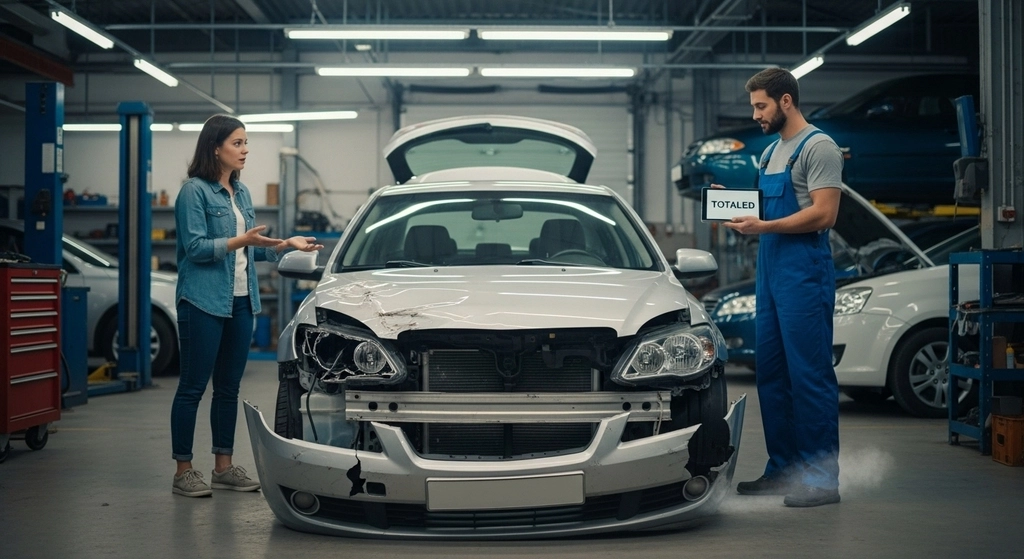
When your insurer says your car is totaled, it means fixing it costs more than what it’s worth. In simple words, the car runs but repairing it makes no sense. The insurance company compares the car’s market value with repair costs to decide. If fixing it costs too much, they call it a total loss. Every company uses its own formula to judge value so even a running car can still end up labeled as totaled.
Why a Drivable Car Can Still Be Declared Totaled
A car can still be called totaled even if it drives fine because the damage runs deeper than it looks. The repair costs can be higher than the car’s actual value. Sometimes the frame bends or key safety parts break making it unsafe to drive long-term.
Some car insurance companies have collision insurance policies that look beyond the engine and check the total repair bill. If fixing everything costs too much they mark it as a total loss to save money and protect safety.

What Happens When Your Car Is Totaled but Still Drivable
Sometimes you can continue driving a totaled car; however, it is determined by your state laws and the extent of damage. If the car is still in operation and passes the safety check, you will be permitted to drive it after it has been repaired.
Nevertheless, it tends to be marked as a complete loss and then your insurance company assigns it a salvage title. That means it’s no longer seen as fully safe or valuable. You must fix it and pass an inspection first before hitting the road again.
Your Options After the Total Loss
It was quite difficult to find out what to do next when my car got totaled but was still drivable. I learned there are a few clear options that can make a big difference in what you get back.
Take the Insurance Settlement and Let the Car Go
You can take the payout from your insurance company and hand over the car. They’ll take ownership and usually sell it as a junk car or for parts. This is the best choice if you want quick cash and don’t want the hassle of repairs.
Keep the Car and Accept a Lower Payout
You can choose to keep your totaled car but your payout will drop by the car’s salvage value. This means you’ll own the car but with a lower check from the insurer. It’s a good choice if the car still runs and you plan to fix or sell it yourself.
Repair the Car on Your Own
You can skip the insurance repair process and fix the car using your own money. This leaves you with the all-time freedom of decision-making on the place and manner of repair of the car. The less the damage, the better, and you can comfortably cover the costs.
Sell or Trade the Car After Getting a Salvage Title
You can sell the car as-is or trade it once you get a salvage or rebuilt title. The buyer will know it was totaled but still usable. This option helps you recover some value without keeping a damaged car.
How to Get the Best Deal from Insurance
When my car got totaled, I didn’t just take the first offer they gave me. I learned a few smart moves that helped me get a better deal from my insurer.
Know Your Car’s Real Worth
Before you talk to your insurance adjuster, check your car’s market value. This gives you a solid idea of what your car is really worth. They’re less likely to lowball you when you show them real numbers.
Gather Proof of Value
Keep every record that shows your car’s condition like service receipts or upgrade bills. This assists in showing that your car is in a good condition as opposed to the average. The more evidence one has, the more one will be convinced.
Compare Prices in Your Area
Search for similar cars for sale nearby to see what others are getting. Use these listings to back up your counteroffer if the insurer’s number seems low. Real local prices often convince adjusters to pay more.
Negotiate With Confidence
Stay polite but don’t give in too fast during talks with the insurance company. Adjusters expect you to accept the first offer but you don’t have to. Stand your ground and ask for the amount that matches your car’s real value
What Happens If You Still Owe Money on the Car
When my car got totaled, I was still paying off the loan. I didn’t know at first that I could end up owing money even after insurance paid out.
How the Loan Works After a Total Loss
If your car is totaled, the insurance company pays only what the car is worth now not what you still owe. If your loan balance is higher, you’ll have to pay the rest yourself. Many drivers don’t realize this until they get the final bill.
How Gap Insurance Helps You
Gap insurance is a type of insurance that covers the difference between the car’s value and the loan amount. Having an outstanding debt larger than the insurance compensation is quite a relief. Without it you could be stuck paying off a car you can’t even drive.
What to Do if You Don’t Have Gap Insurance
If you don’t have gap coverage, talk to your lender right away to work out a payment plan. Other lenders can lower the payment due or provide you with additional time. Instead, you will save your credit score or even your payments.
Common Problems People Face with Insurance Companies
When my car was totaled, I thought insurance would handle everything fast and fair. I was wrong — dealing with them came with delays and confusion I didn’t expect.
Low Settlement Offers
Insurance companies often start with an offer that’s lower than your car’s real value. They count on you accepting it quickly without checking the numbers. Always research your car’s worth and show proof before you agree to any payout.
Slow Claim Processing
Many drivers face long delays waiting for an adjuster or payment. Insurance teams handle many claims at once, so yours can get stuck in line. Keep calling and following up until you get clear updates and timelines.
Confusing Paperwork
The documents may be saturated with words and numbers that are not immediately clear. You should not know what you are signing, and therefore, ask questions. A simple mistake in forms can delay or reduce your final payment.
Conclusion
Having your car totaled but it still starts can be frustrating without knowing what to do. Don’t rush the decision. Check your opportunities and check what best suits you. You can keep the car, repair it or accept the payout and move out. Know your car’s real value and stand firm with your insurer. When you stay calm and informed, you’ll make a choice that protects your money and keeps you in control.