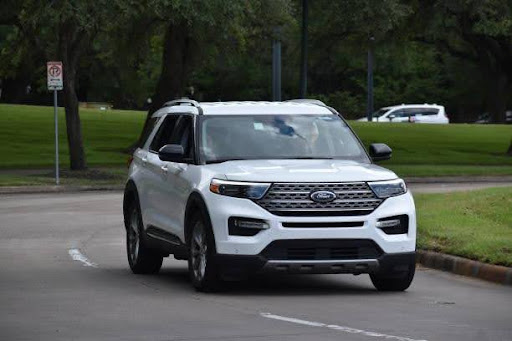

Most drivers never think about their front license plate until they are pulled over for not having one. Many states require a plate on both the front and back of the vehicle, and missing the front plate can lead to fines and unwanted attention from law enforcement. Knowing the rules helps you avoid simple mistakes that can cost you money.
California is known for its busy highways and strict vehicle laws. It also has one of the largest numbers of registered drivers in the country. Many people search for guidance to know about front license plates in California because the rules are not clear and the penalties can be frustrating. Understanding these requirements keeps you prepared and helps you avoid unnecessary trouble.
What Happens If You Do Not Have a Front Plate?
Missing a front plate can lead to a fix-it ticket or a fine. A fix-it ticket means you can correct the issue and show proof to the court. This often lowers the cost. If you ignore the requirement, the fine may increase.
Officers can stop you if they notice you are missing the plate. Even if you were not breaking any other law, the missing plate alone is enough for a traffic stop. This is why it helps to stay in full compliance.
Common Reasons Drivers Skip the Front Plate
Some people remove the front plate because they like the clean look of the car without it. Others do not install it after buying a new vehicle. Certain sports cars do not have an easy place to attach the plate, so drivers put it off.
However, style does not override state law. If your car is registered in California, you must follow the plate requirement unless you drive a vehicle that qualifies for an exemption.
Possible Exemptions
A few types of vehicles may not need a front plate. Some classic cars, motorcycles, and special models fall under different rules. These exemptions are limited, so it is important to check your vehicle type before assuming you are exempt.
If you are unsure, your registration documents or local Department of Motor Vehicles office can give clear guidance.
How to Fix the Issue Quickly
If you received a ticket, the simplest solution is to install the front plate right away. Most cars come with a bracket or a space designed for it. If your car does not have one, you can buy a bracket or mount that fits your model.
Once the plate is installed, follow the steps on your ticket. Many courts require a quick inspection to confirm the fix. This often lowers or removes the fine.
What Not to Do
Some drivers try temporary solutions, such as placing the plate on the dashboard. This does not count. California law requires the plate to be mounted and clearly visible from the front of the vehicle. Hiding it, blocking it, or placing it inside the car does not meet the requirement.
Avoid taping the plate, leaning it against the windshield, or placing it in a side window. These methods can still result in a ticket.
Why It Helps to Stay Compliant
Following the plate rule keeps you from being pulled over for a minor issue. It also supports your safety because proper identification helps in emergencies or accidents. Staying compliant saves time, money, and stress.
Simple Tips to Avoid Future Problems
- Check your plates when you wash your car.
- Make sure the bolts are secure.
- Replace damaged or unreadable plates.
- Keep bracket parts if you buy a new car or change bumpers.
These small habits prevent tickets and keep your vehicle in good standing.
Key Takeaways
- California requires most vehicles to have a front and back license plate.
- Missing a front plate can lead to fines and traffic stops.
- Style choices do not override state law.
- Proper mounting is required for the plate to count.
- Fixing the issue quickly can reduce penalties and avoid ongoing problems.