

Everyone knows this: When a motorcycle accident takes place, the rider is usually the one who faces the most harm. Yes, unlike a car or any other heavy vehicle, a motorcycle’s design fails to offer that much protection, so obviously, injuries are often more serious and the damage is usually higher.
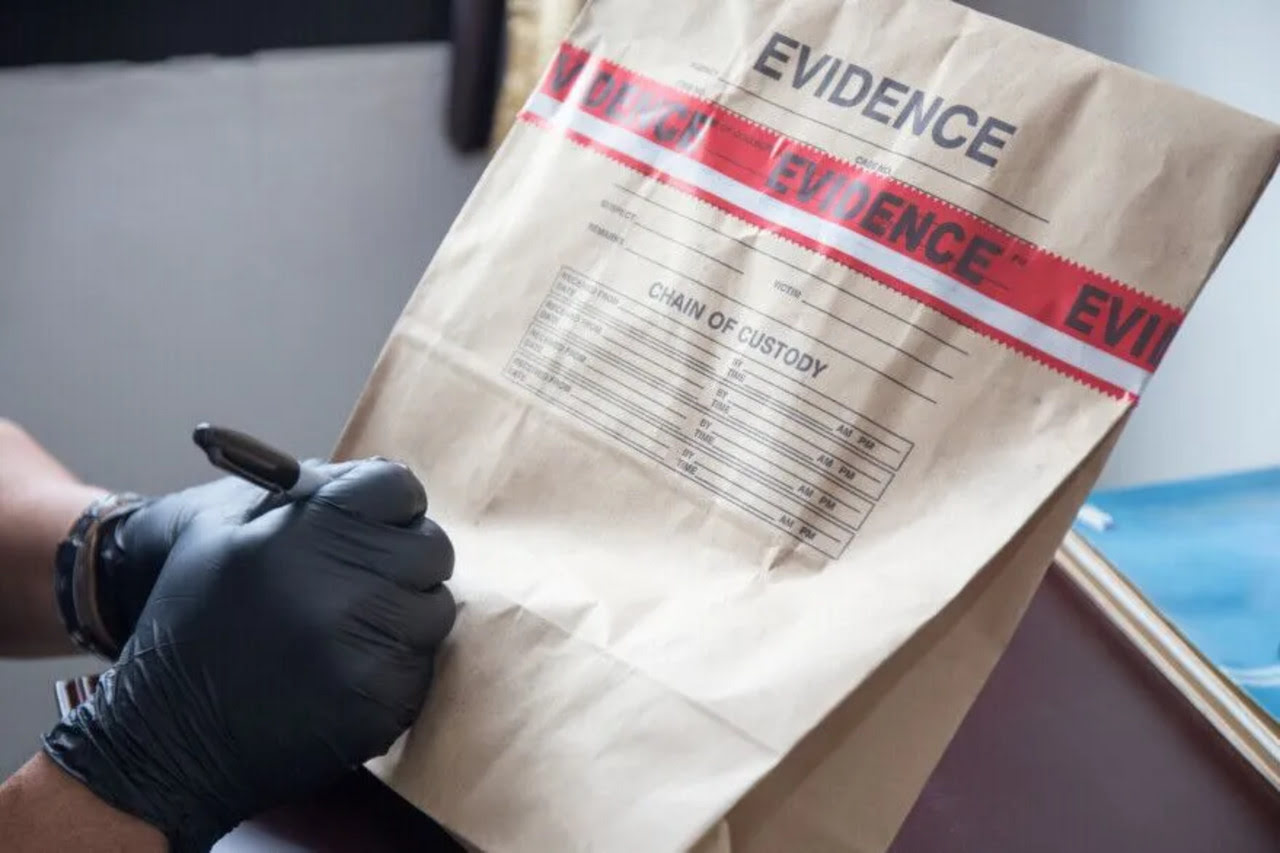
But when it comes to proving who caused the accident, the most important factor a court demands is evidence. The stronger and fresher the evidence is, the easier the claiming process will be. Without proper and strong evidence, it becomes difficult to show the real sequence of events and identify the negligence.
Evidence works like the base of the whole case. It gives a clear picture of what happened before, during, and after the crash. In this article, you’ll get to know the most important types of evidence that lay a solid foundation for the entire claim process.
How Negligence Is Determined
In motorcycle crash cases, determining negligence involves looking at every element that could have contributed to the accident.
- Whether the other driver failed to notice the motorcyclist
- Whether the concerned party was speeding or driving aggressively
- Whether each of the parties has violated traffic lights or signs
- Are there any element distractions like using a phone, music, or other activities?
- In certain cases, road conditions, such as potholes or poor lighting, can also contribute to negligence.
To successfully show negligence, three points must be proven clearly:
- Duty of Care
- Breach of Duty
- Causation
Most importantly, every piece of evidence that’s been gathered right after the accident is the only way to support these points.
5 Most Needed Pieces of Evidence to Support Your Claim
Proving liability largely depends upon these different types of evidence, as these serve different purposes in building a strong motorcycle accident case. Each one fills a gap, supports a claim, and shows facts that cannot be denied.
1. Police report
A police report is one of the most relied-upon pieces of evidence because it is written by a government officer who examined the accident at the scene. The report usually has these:
- The date, time, and exact location
- The condition of the vehicles
- The officer’s personal observations about damage, skid marks, or road conditions
- Statements taken from drivers and passengers
- Information about traffic violations or citations given
Since this report was prepared soon after the accident, it provides a clear and unbiased record of the events. It is often considered the key evidence document, as insurance companies often use it as a starting point to understand the case.
2. Photos and videos from the scene
Visual evidence is extremely powerful. Photos and videos help strengthen the claim by capturing the reality of the situation.
- The position of the motorcycle and the other vehicle after the crash
- Damage to the motorcycle, the other vehicle, and nearby objects
- Skid marks, broken glass, and debris
- Weather conditions, lighting, and traffic signals
- Injuries at the scene
- Surrounding space
These images help recreate the exact scenario and make it easier to demonstrate how the accident unfolded.
3. Medical records and treatment documentation
Medical documents form the link between the accident and the injuries. Medical records include everything from the start of the medical attention:
- X-rays, scans, and lab results
- Doctor’s diagnosis
- Treatment plans and prescriptions
- Records of surgeries or medical procedures (if any)
- Notes about long-term or permanent impact
These details help calculate the full extent of medical expenses, pain, suffering, and future care needs.
4. Witness statements
Witnesses are people who saw or heard the accident take place. Their statements add an independent view that supports the truth. They can describe:
- How the accident occurred
- Whether the other driver seemed distracted or careless
- The speed of the vehicles
- Conditions of the road or traffic at that time
Since witnesses have no personal involvement, their accounts often carry strong value when determining fault.
5. Proof of damages and financial losses
A strong case must show the full financial impact of the accident. This compensation includes medical expenses, medical transportation costs, any repair and replacement costs, lost wages due to this crash, and also future loss of income if the injuries are serious.
Why Legal Help Is Important
Legal help is really important for handling these cases because the insurance companies always try to reduce your claim amount by finding any loopholes or errors in your evidence. A legal professional helps to gather all the needed evidence that can strengthen your claim, and they present it. With proper legal guidance, the entire process becomes easier, clearer, and more organized, giving you a better chance at a fair outcome.
Key Takeaways
• Evidence is the main factor that proves who caused a motorcycle crash.
• Photos, police reports, medical records, and witnesses make the case stronger.
• Clear proof of injuries and damages is needed to claim compensation.
• A lawyer helps collect and present the evidence in the proper way.