
Ever wondered what really happens to your car’s worth after a crash?
Everybody thinks that repairs will fix everything. They hammer out the dents at the shop, repaint those ugly panels, and hand you the keys. Your ride looks good as new. But wait, there’s something they aren’t telling you…
Your car is worth less now. A lot less.
This phantom loss is called diminished value. It attaches itself to your car for its entire life. No matter how well your car is repaired. If there is an accident on your history report, buyers will drive away.
And here’s the kicker…
Most of these wrecks aren’t even your fault. Countless accidents are caused by distracted drivers looking at their phones instead of where they were going. When one of these distracted driving wrecks totals the front end of your car you’re left with a repair bill, damaged history report, and a car that’s worth half of what it was worth that morning. And they happen much more frequently than most people realise.
The good news?
You might be able to recoup that money – particularly if someone else caused the wreck. The Meshbesher car accident lawyers help drivers recoup the entire cost of a collision. And that includes your car’s lost value. The bills from a distracted driving wreck can reach far beyond the cost of repairs.
So let’s break down exactly how diminished value works.
What’s Inside:
- What Is Diminished Value?
- How Distracted Driving Accidents Trigger It
- The Three Types Of Diminished Value
- How Much Your Car Really Loses
- How To Get Your Money Back
What Is Diminished Value, Really?
Diminished value is the value your car lost as a result of the wreck.
Think about it like this…
Two identical cars are parked side by side on a lot. Year. Mileage. Colour. One has a clean history report. The other had been in an accident but repaired with no trace of damage. Which one would you pay more for?
The clean one. Every time.
The difference in price is your depreciation – actual dollars lost when you sell or trade. The saddest thing about depreciation is that it’s irreversible. No amount of waxing will alter your history report.
How Distracted Driving Accidents Cause The Damage
Distracted driving is one of the largest threats to safety on U.S. roadways. The National Highway Traffic Safety Administration (NHTSA) reports 315,167 people were injured in motor vehicle crashes involving distracted drivers in 20 24.
That’s a staggering figure.
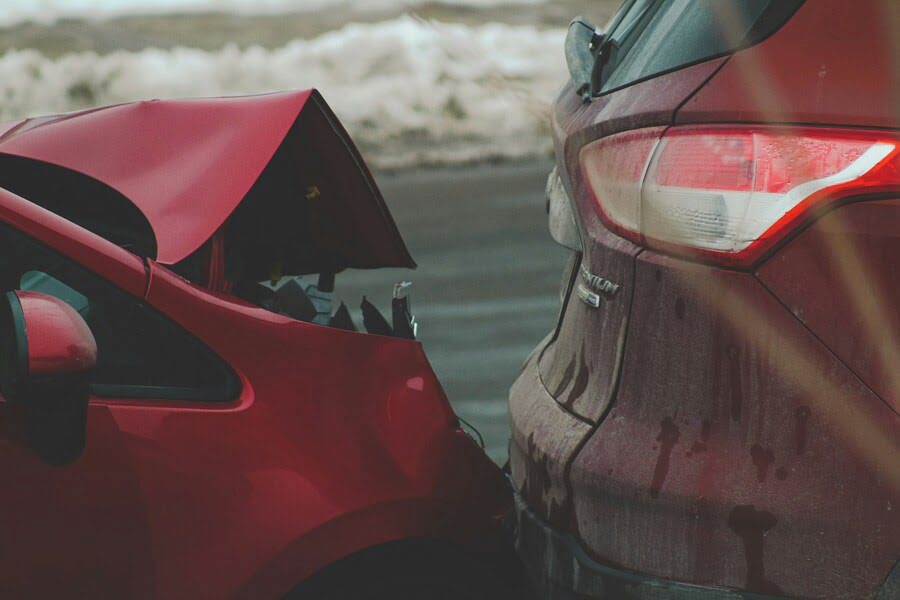
Why does that matter for diminished value? Distracted driving crashes tend to be more severe. If your bumper wasn’t designed to crash into a windshield, that’s because. Someone looking at their phone doesn’t slam on the brakes — they plow right into the car in front of them.
Here’s something that might shock you…
Sending or reading a text causes your eyes to leave the road for five seconds. At highway speeds, that’s the distance of a football field traveled with your eyes closed. The consequences are high-impact collisions that cause serious structural damage — and serious structural damage means serious diminished value.
The harder the hit, the bigger the loss.
The Three Types Of Diminished Value
Diminished value is not all created equal. Here are the 3 different types of diminished value you should be aware of:
- Actual cash value diminution: Diminished value that occurs instantly after a crash and before repairs are made. This is the difference between what your car was worth prior to an accident and its value in its damaged condition while it sits.
- Inherent diminished value: The Mother load. Loss that remains after perfect repairs have been made solely due to the accident being on the vehicle history report. This is where most claims fall into.
- Repair related diminished value: Poor repair work causes this. Bodywork that isn’t done well, mismatched paint jobs and low-quality parts further decrease value.
Most cases are intrinsic diminished value – buyers don’t feel comfortable with a wrecked car.
How Much Value Does Your Car Actually Lose?
This is where it gets painful.
Cars with accident damage can suffer a significant loss in resale value. That loss can range anywhere from 10% to 25% or higher depending on severity. That’s thousands of dollars down the drain on a $40k car.
CARFAX points out that the loss can climb to $2,100 if the damage is severe, using that frequently used insurance formula — and that’s frequently on the low end.
And it gets worse for newer cars…
Electric cars get hit even harder. Market analysis found EVs experience up to twice the diminished value as gas cars due to buyer concerns over battery life after an accident.
The nicer and newer your car, the more you stand to lose.
How Insurance Companies Try To Pay You Less
Here’s the dirty little secret insurers don’t advertise…
They use the 17c formula. 17c only allows for a maximum of 10% of your cars value pre accident. It then subtracts from that random amount for mileage, extent of damage, etc…
The result? A tiny payout that rarely matches your real loss.
Insurance companies like this formula because it cuts their payouts. There’s nothing wrong with using it, but it’s not the only option. A legitimate market-drive appraisal – looking at actual sales of comparable vehicles with and without accident damage – will typically yield you a higher number.
Don’t just accept the first offer.
How To Recover Your Diminished Value
Want to get back what you lost? Follow these steps:
- Obtain an independent appraisal. Don’t accept the insurance company’s figure. Get an appraisal that will put YOUR loss in writing.
- Get your documentation in order. Take photos, copy of police report, and all receipts related to repair. Documentation is how you win claims.
- File against the at-fault driver: If someone else was driving carelessly and caused your accident, you file a diminished value claim against their insurance company, not yours.
- Hire an attorney if necessary. Insurance companies will aggressively defend against these claims. A knowledgeable lawyer will advocate for you and help you achieve a just outcome.
Speed and being prepared are your best tools. The more proof you can get, the harder you are to ignore.
Bringing It All Together
Diminished value is one of the most overlooked costs of any car accident.
Even if your car looks great, it could be worth thousands less than pre- wreck values. That’s thousands of dollars down the drain — and you shouldn’t pay for someone else’s mistake.
Remember the key points:
- Repairs don’t restore your car’s value
- Distracted driving crashes often cause severe, high-value damage
- Insurance formulas like the 17c are built to underpay you
- A proper appraisal and the right help can get your money back
Let the at-fault driver’s insurance company tell you what your loss is worth. Educate yourself on your rights, compile your evidence, and insist on fair compensation for every cent your car was worth.