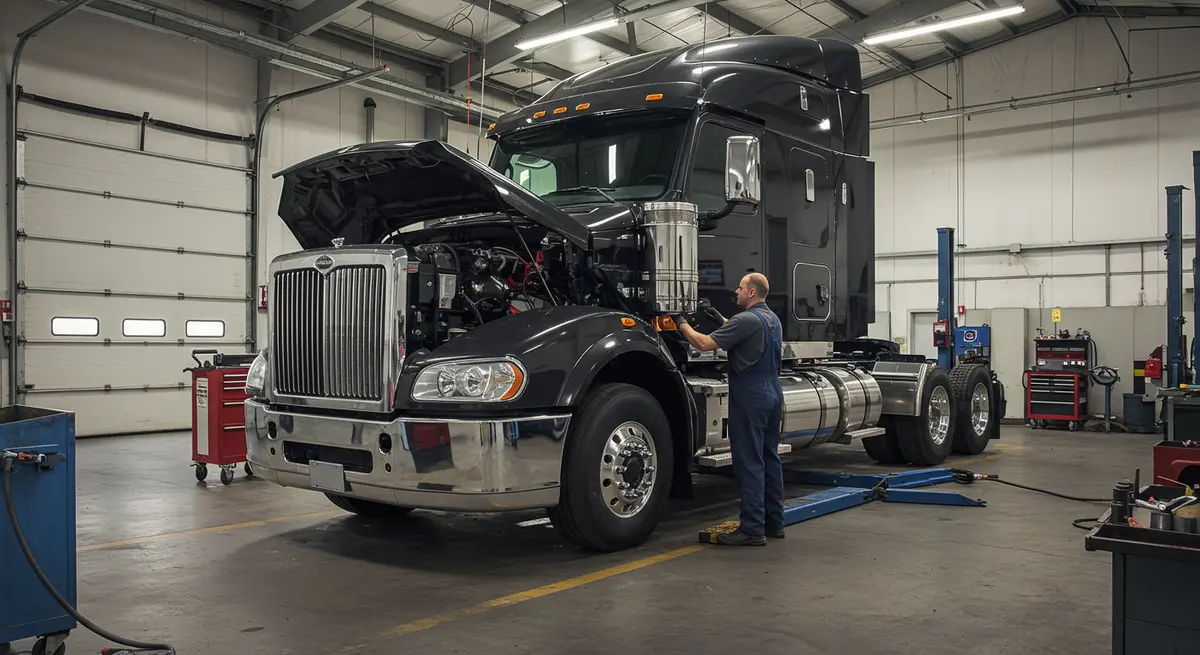

Heavy-duty trucks don’t get sick days. When your rig breaks down on the highway, you’re not just dealing with repair costs – you’re losing money every hour that truck sits idle.
Loads get delayed, customers get angry, and other drivers pick up the work you can’t handle.
Most truckers learn this the hard way. You push through that weird engine noise for another week, ignore the small hydraulic leak, or delay replacing worn brake pads because you’re busy.
Then everything breaks at once, usually hundreds of miles from home, and what should have been a $200 maintenance item turns into a $3000 emergency repair plus lost revenue.
Preventive maintenance isn’t glamorous, but it keeps trucks moving and money coming in. The key is catching problems while they’re still small and manageable.
Keep Your Engine Parts Running Clean
Your engine works harder than most people realize. Hauling 80,000 pounds up mountain grades, idling for hours during mandatory rest periods, dealing with stop-and-go traffic in cities – all this stress shows up in oil analysis reports and component wear.
Oil changes can’t wait until it’s convenient. Dirty oil turns into sludge that clogs passages and starves bearings of lubrication. Extended oil change intervals might save money short-term, but engine rebuilds cost way more than oil.
Air filters get dirty fast in dusty conditions or construction zones. Clogged filters reduce power and hurt fuel economy. Some drivers don’t realize they’re losing 2-3 mpg just because their air filter needs changing.
Cooling systems need attention too. Radiator fins get packed with bugs, dirt, and road debris. Coolant breaks down over time and loses its ability to prevent corrosion. Thermostat problems cause overheating or prevent engines from reaching proper operating temperature.
Engine maintenance basics:
- Oil changes every 15,000-25,000 miles depending on oil type
- Air filter inspection every 10,000 miles
- Coolant system flush every 150,000-300,000 miles
- Fuel filter changes per manufacturer schedule
- Regular radiator cleaning and inspection
Stay on Top of Your Critical Systems
Brakes, steering, and suspension keep you alive out there. These aren’t systems where you can afford to cut corners or delay maintenance.
Brake adjustments should happen every 10,000-12,000 miles. Out-of-adjustment brakes work harder, generate more heat, and wear out faster. They also fail DOT inspections, which means fines and downtime.
Power steering fluid breaks down under high temperatures and heavy use. Low fluid levels damage pumps and make steering difficult, especially at low speeds in tight spaces.
Suspension components take a beating from road conditions and heavy loads. Worn shocks affect handling and tire wear. Bad bushings create handling problems and stress other components.
Don’t Skip the Small Stuff That Breaks Big
Little things cause big problems in trucking. A $15 belt failure can leave you stranded. A loose battery connection creates electrical gremlins that are expensive to diagnose.
Belts and hoses deserve regular inspection. Cracked belts fail without warning. Swollen or soft hoses indicate internal deterioration that leads to blowouts.
Battery maintenance prevents starting problems and electrical issues. Clean terminals, check fluid levels in serviceable batteries, and load test batteries that are more than three years old.
Finding reliable sources for quality truck parts helps ensure you’re getting components that can handle the demands of heavy-duty applications.
Lights and electrical connections fail frequently from road vibration and weather exposure. Dead marker lights or turn signals create safety hazards and DOT violations.
Small items that cause big problems:
- Drive belts and serpentine belts
- Radiator and heater hoses
- Battery cables and terminals
- Marker lights and turn signals
- Air line connections
- Electrical ground connections
Replace Parts Before They Fail You
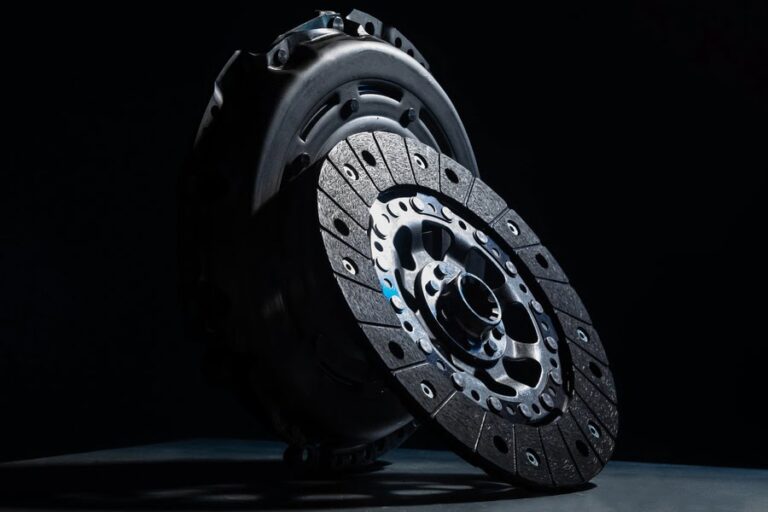
Waiting for parts to break completely costs more than replacing them when they show wear. Blown head gaskets damage more than just the gasket. Failed wheel bearings can damage spindles. Worn clutches that slip damage flywheels and pressure plates.
Tire replacement timing affects your bottom line. Running tires down to minimum legal tread depth risks blowouts and emergency roadside service calls. Rotating tires regularly extends their life and prevents uneven wear patterns.
Clutch replacement should happen based on adjustment travel, not just when it starts slipping. Once clutches slip under load, they’re already damaging other components.
Replacement timing guidelines:
| Component | Replace When | Why Wait Costs More |
| Tires | 4/32″ tread depth | Blowouts damage other parts |
| Clutch | 75% adjustment travel | Slipping damages flywheel |
| Brake pads | 1/4″ lining thickness | Metal-to-metal damages drums/rotors |
| Belts | First signs of cracking | Failures strand trucks |
Track Everything and Stay Ahead of Problems
Good maintenance records help you spot patterns and plan repairs during slow periods instead of dealing with emergencies during peak shipping seasons.
Log fuel mileage to catch efficiency problems early. Sudden drops in mpg indicate engine problems, tire issues, or aerodynamic problems that need attention.
Keep maintenance schedules for different truck systems. Oil changes, inspections, component replacements – everything should happen on schedule, not when you remember to do it.
Essential maintenance tracking:
- Oil change intervals and analysis results
- Tire rotation schedules and tread measurements
- Brake adjustment dates and measurements
- Component replacement dates and mileage
- Fuel economy trends
- Any recurring problems or patterns
Parts availability matters too. Some components have long lead times or are frequently backordered. Keeping common wear items in inventory prevents downtime waiting for parts.
Weather and seasonal factors affect maintenance needs. Cold weather is harder on batteries and fuel systems. Hot weather stresses cooling systems and tires. Plan maintenance around these seasonal challenges.
Preventive maintenance costs money upfront, but it’s cheaper than breakdowns. A well-maintained truck runs more efficiently, lasts longer, and has better resale value when it’s time to upgrade.