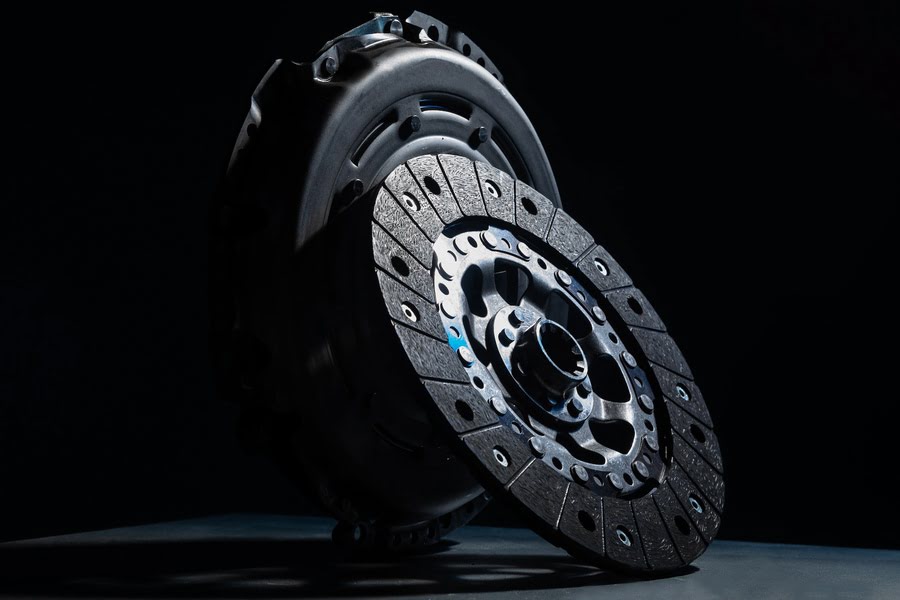

If you drive a manual car, the clutch is one of those components you rely on every time you change gear, yet rarely think about until something feels off. Clutches wear out gradually, and catching the signs early can save you from being stranded and from a more expensive repair down the track.
Here’s a guide to the signs your car’s clutch is wearing out.
The clutch slips
One of the clearest signs of a worn clutch is slipping. This is when the engine revs rise but the car doesn’t accelerate as it should, as if the power isn’t fully reaching the wheels.
Slipping often becomes noticeable under load, such as accelerating hard or driving uphill. It happens because a worn clutch can no longer grip properly, and it’s a strong indication the clutch is nearing the end of its life.
Difficulty changing gears
A clutch that’s wearing out can make changing gears harder than usual. You might notice resistance, grinding, or a general reluctance when shifting, where gears once engaged smoothly.
While gear-change problems can have other causes, difficulty shifting is a common clutch-related symptom worth paying attention to. If your gear changes have become notably less smooth, the clutch may be part of the reason.
A change in the pedal feel
The feel of the clutch pedal can change as the clutch wears. It might feel spongy, loose, or different from how it used to, or the biting point, where the clutch engages, may shift noticeably.
A biting point that’s very high or very low, or a pedal that feels unusual, can indicate wear. Being familiar with how your clutch normally feels helps you notice when something changes, which is a useful early warning.
A burning smell
A distinctive burning smell, sometimes likened to burning paper or friction material, can be a sign of a worn or overheating clutch. It often occurs when the clutch is slipping or being worked hard.
If you notice this smell, particularly during demanding driving or heavy clutch use, it’s worth taking seriously. It suggests the clutch is under strain and may be wearing, so it shouldn’t be ignored.
Shuddering when engaging
A clutch that shudders or judders as it engages, particularly when setting off, can be another sign of trouble. Instead of smooth, progressive engagement, you feel a vibration or shaking.
This shuddering points to a problem with the clutch, and while it can have various causes, it’s a symptom worth having checked. Smooth engagement is how a healthy clutch should feel, so shuddering is a departure from that.
Trouble getting the car moving
As a clutch wears significantly, you may find it harder to get the car moving from a stop, or notice a lack of power getting away. The clutch struggles to transfer the engine’s power effectively.
This is a sign of a clutch in more advanced wear, and it tends to worsen over time. If setting off has become noticeably difficult, it’s a clear signal that the clutch needs attention before it fails completely.
What can cause a clutch to wear faster
Clutches wear naturally over time, but certain habits can hasten it. Riding the clutch, resting your foot on the pedal, slipping it unnecessarily, and frequent stop-start driving all put extra wear on the components.
Towing heavy loads and demanding driving conditions can also take a toll. Being aware of these factors, and driving in a way that’s kind to your clutch, can help it last longer and delay the need for replacement.
None of this means a clutch will last forever, since wear is inevitable, but good habits genuinely make a difference. Treating exedy clutches gently is one of the simplest ways to get more life out of it.
Getting it checked
If you notice any of these signs, it’s worth having your clutch inspected by a professional. They can confirm whether the clutch is the cause, assess how worn it is, and advise on what’s needed.
Staying alert to the signs, and acting on them, keeps your car reliable and your driving smooth.