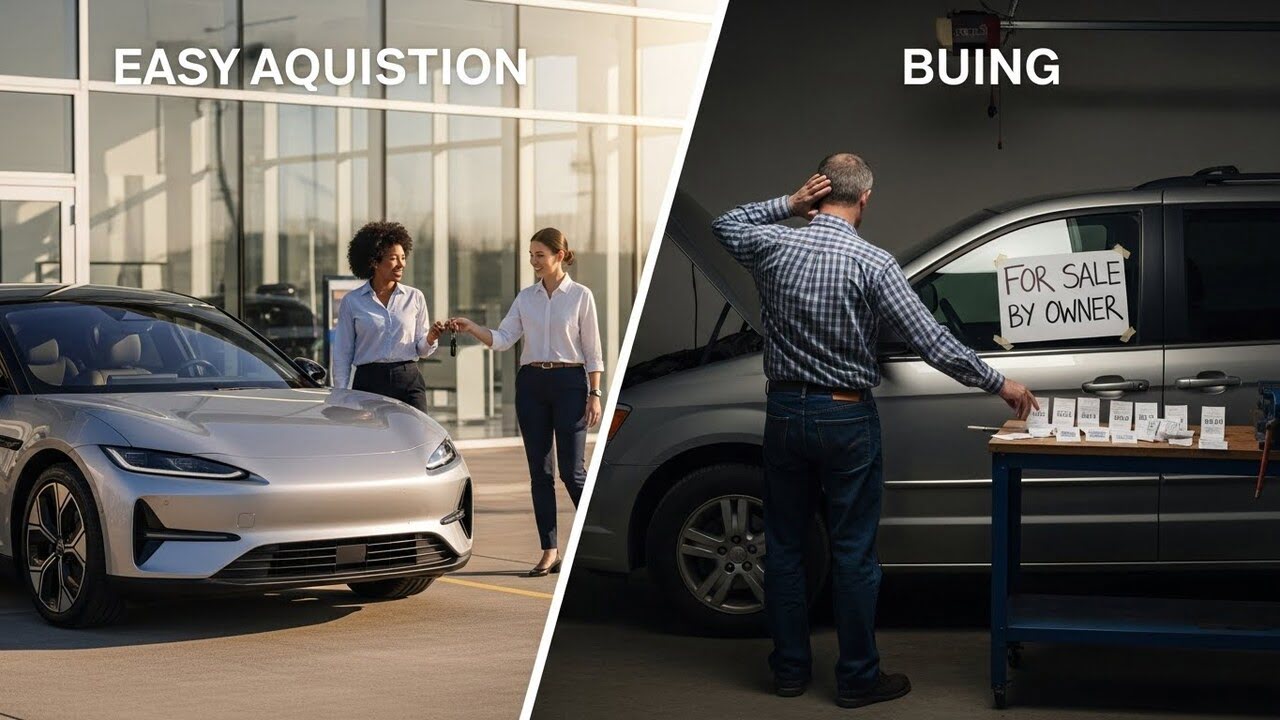

I’ve seen many drivers struggle with one big question. Should you lease or buy your next car? Let’s be honest, most of us want lower monthly costs and less stress. Leasing can look cheaper at first with smaller payments and easy upgrades.
Buying can save money long term and build ownership. The right choice depends on how you drive and what you value most today for your budget and lifestyle needs. This article will tell you the smart way to drive new cars.
Quick Look at Your Two Choices
I witness a lot of confused drivers standing between leasing and buying. Having known the simplest distinction first, it has simplified the entire decision as I have over time.
What Leasing Really Means
Leasing refers to hiring a car for a certain period of time. This typically is two years. With new modern companies like Vantage Leasing, you pay lower monthly payments since you only cover the value the car will lose during that time.
You end up giving back the car or purchasing it at an agreed price. In my opinion, this option suits individuals who like driving new car models often.
What Buying With a Loan Means
Purchasing implies that you have the car at the expiry of your loan. Your monthly payment is more and you accumulate complete ownership in the long run. You can drive as much as you wish and sell the car whenever you wish. We must admit that this is safer for long term users.
Why Many Drivers Lean Toward Leasing
Many drivers choose leasing because it feels lighter on the wallet at first. Most people like lower bills and new cars without long commitment.
Lower Monthly Payments
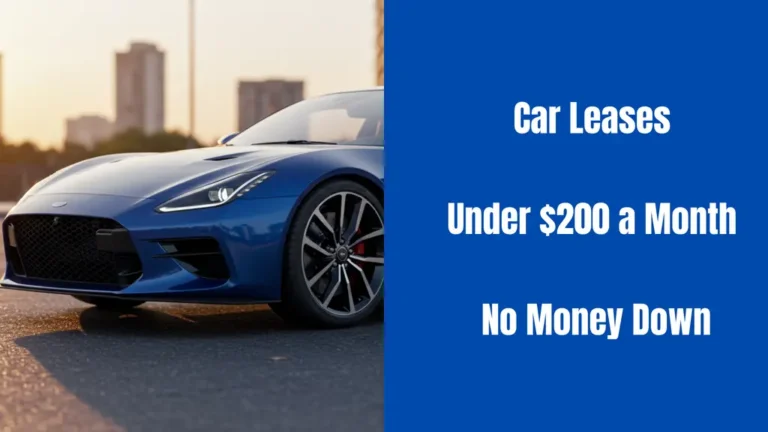
Leasing usually costs less per month than buying the same car with a loan. You only pay for the part of the car you use and not the full value. This makes leasing look cheaper right away and easier for tight budgets.
Easy Upgrades to New Models
Leases usually last two or three years. This means you can switch to a newer car often without worrying about selling the old one. Many drivers like this because they always stay updated with new tech and safety features.
Less Worry About Resale Value
You do not care about the future market value of the car when you lease it. You simply return it at the end of the contract. This protects you from sudden drops in resale price.
The Downsides of Leasing You Must Know
As far as I can see, many people still prefer to purchase, as this provides long-term peace of mind. And to be frank, it is just different to own something entirely as compared to renting it indefinitely.
- The monthly payments are normally higher than leasing the same car model.
- Down payments that are large can cause strains on savings during the onset of ownership.
- The cost of repair increases with the age of the car and the warranty expiry date.
- This is because the car is losing value every year although you won’t be driving much.
- Selling a used car can be time-consuming and can fetch less money than anticipated.
Why Buying Still Wins for Many People
I see many drivers choose buying because they want full control over their car. Let’s be honest, ownership still feels powerful when you plan to keep a vehicle long term.
You Build Full Ownership
When you buy a car, every payment moves you closer to complete and permanent ownership. Once the loan ends, the car becomes yours fully with no bank control. You can sell it or trade it without any contract limits.
No Limits on Driving
Buying removes mileage limits so you can drive daily without fear of penalties. Long trips and road travel never trigger surprise charges or fees. This freedom matters most for families and workers who rely on steady driving.
Lower Cost in the Long Run
Buying usually costs more at first but saves money when you keep car for any years. You avoid endless payments that come with back to back lease contracts. After the loan ends, your monthly cost drops while the car still serves you.
Leasing vs Buying: Monthly Payment Comparison
Monthly payments often confuse people when choosing between leasing and buying a car. That’s why we have made this table for you to understand and compare them for yourself:
| Feature | Leasing Monthly Payment | Buying Monthly Payment |
| Payment amount | Lower monthly payments | Higher monthly payments |
| What you pay for | Depreciation and usage only | Full car price plus interest |
| Down payment required | Usually smaller or sometimes none | Often larger down payment is needed |
| Flexibility in payments | Fixed lease term payments | Loan term payments |
| End of payment | No ownership after payments | Own the car after load ends |
| Additional fees possible | Mileage and wear penalties | No mileage limits or penalties |
True Cost Over Time Lease vs Buy
I’ve seen many people focus only on monthly payments and miss the bigger picture. The total cost over the years shows which option really saves you money.
How Lease Costs Add Up
Leasing starts with lower monthly payments but adds fees for extra miles, wear, and lease-end charges. You never own the car, so payments continue if you keep leasing new cars every few years. Over time, these ongoing costs can add up more than expected.
How Buying Costs Grow and Drop
Buying means higher monthly payments at first, plus costs for taxes, interest, and maintenance as the car ages. But after the loan ends, payments stop and you keep the car’s value. This can make buying cheaper if you hold onto the car for many years.
Conclusion
Deciding between leasing and buying depends mostly on your lifestyle and money goals. Leasing can feel cheaper with low monthly payments and easy upgrades, but it comes with limits and no ownership.
Buying costs more upfront but pays off if you keep your car long term and want full control. Let’s be honest—there’s no one-size-fits-all answer. The smart move is to weigh your driving habits and budget to choose what fits you best.