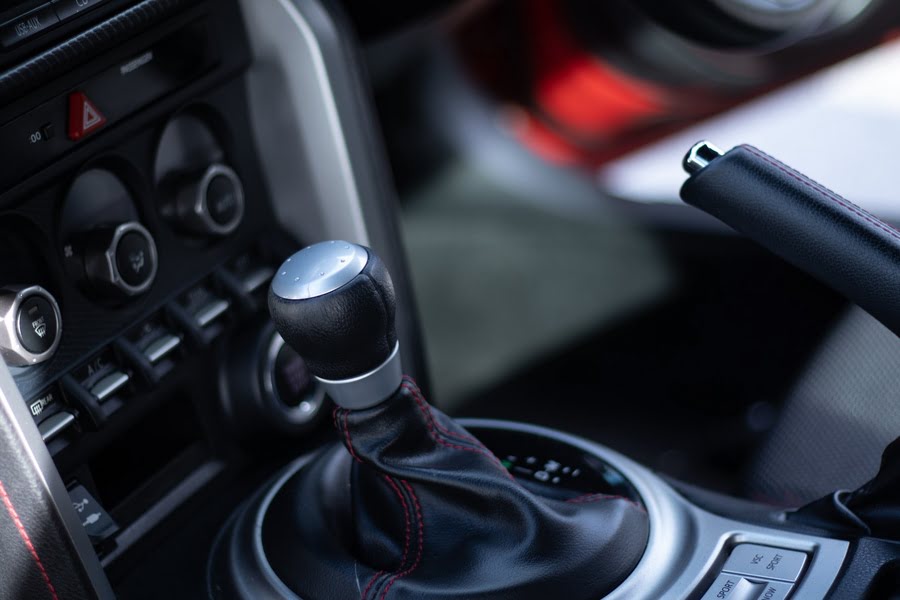

The Toyota 86 is a favourite among enthusiasts precisely because it’s so rewarding to modify. But before you start bolting on parts, it’s worth deciding what you’re building: a sharp, enjoyable street car or a focused track weapon. The two goals pull in different directions, and knowing yours keeps your build coherent.
Here’s a look at Toyota 86 mods for the street versus the track, and how the priorities differ.
Start by defining your goal
Before spending a cent, be honest about how you’ll use the car. A daily-driven street 86 and a dedicated track car call for different choices, and trying to build one car that does everything perfectly usually means compromises.
Defining your goal upfront guides every decision that follows, from suspension to tyres to how far you take the modifications. A clear purpose is what turns a collection of parts into a well-sorted build.
Check Out: Toyota Camry Years to Avoid and Best Alternatives
Comfort and drivability for the street
For a street car, drivability and comfort matter alongside performance. You want the car to be enjoyable day to day, which means modifications that sharpen it up without making it harsh, loud, or tiring to live with.
Aggressive, uncompromising parts that suit a track car can make a street car unpleasant on rough roads and in traffic. The best street builds enhance the 86’s fun factor while keeping it civilised enough for everyday use.
Focus and performance for the track
A track-focused build flips the priorities toward outright performance, accepting compromises in comfort and practicality. Here, sharper, more aggressive parts make sense because the goal is lap times and handling at the limit.
Track cars can run stiffer setups, more aggressive tyres, and modifications that would be impractical on the street. If the track is your priority, you can commit to choices that maximise performance without worrying about daily comfort.
Tyres tell the story
Tyres are a great example of how the goals diverge. For the street, you want tyres that grip well but also handle daily driving, varied conditions, and reasonable longevity and comfort.
For the track, grip is king, and you might choose aggressive, performance-focused tyres that wouldn’t be ideal for everyday use. The same logic applies across many parts: the street wants balance, the track wants focus.
Suspension setup
Suspension is another area where street and track builds part ways. A street setup aims to improve handling and stance while keeping the ride comfortable enough for daily roads.
A track setup can go firmer and more aggressive, prioritising handling and control at the limit over ride comfort. The 86’s handling responds beautifully to suspension work, but how far you push it depends on your goal.
Power modifications in context
The 86 is famous for rewarding handling and balance rather than sheer power, and this shapes how you approach performance mods for either purpose. Breathing modifications and tuning add some performance and character.
For both street and track, it’s wise to build the car’s handling and balance to match any power gains, keeping it cohesive. Chasing power alone, without the tyres, suspension, and setup to use it, rarely delivers the best results.
Don’t neglect reliability
Whichever direction you take, reliability matters. A street car needs to start every day and cope with daily use, while a track car endures serious stress and heat that demand sound preparation and maintenance.
Using quality parts, staying on top of servicing, and building in stages all help keep the car dependable. A fast car you can’t rely on isn’t much fun, on the road or the track.
Building with purpose
The key to a great Toyota 86 build is knowing whether you’re building for the street or the track, and letting that goal guide your choices. Street builds balance fun with liveability; track builds chase focused performance.
Decide your purpose, choose parts that suit it, and keep the car cohesive and reliable, and you’ll end up with an 86 that’s genuinely satisfying for exactly the way you want to use it.