
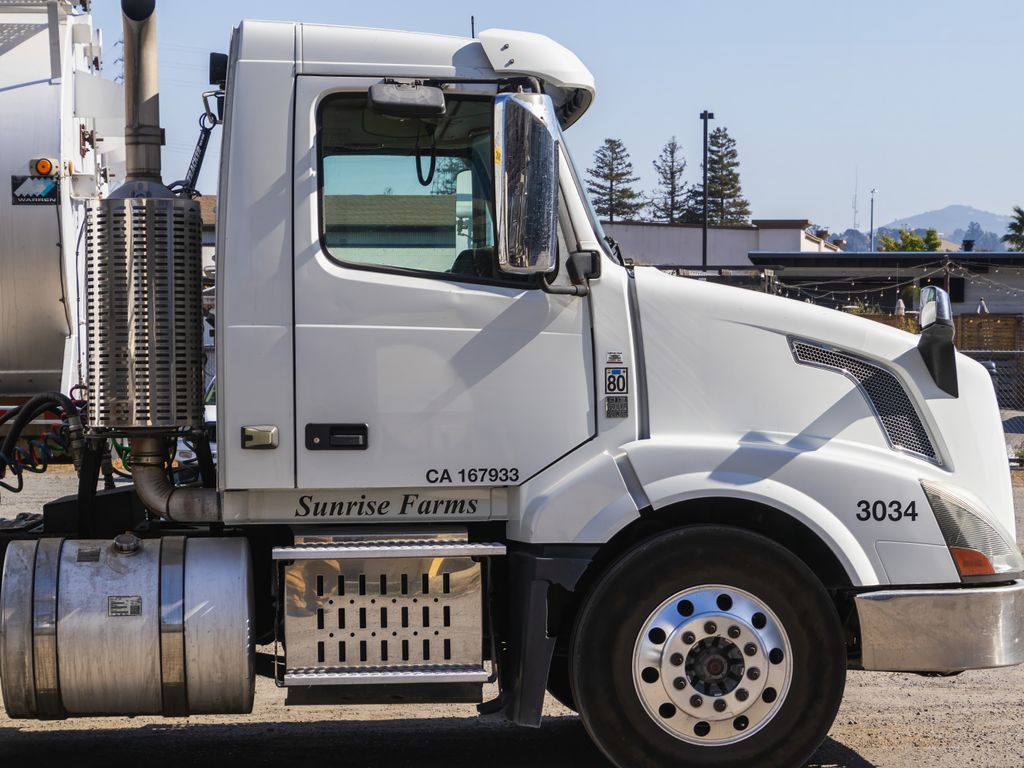

When a trailer is attached, the truck doesn’t act the same. The extra weight raises stopping distances, engine loads and has higher operating temperatures revealing weaknesses that an unfilled drive may not expose. Those disparities are easy to overlook at first, but as the miles pile up it gets a little bit harder.
Getting a car ready for a long-distance tow is not just another pre-trip review. Much of what we call misfortune starts with over-inflated tires, poorly regulated brakes, out-of-spec weight distribution, or worn parts. Those weaknesses could show themselves hundreds of miles away from home on a multi-day haul. A quick fix that could take an afternoon in the driveway can easily turn into a whole day, result in an unplanned tow and leave both truck and trailer high and dry.
Know Your Limits Before You Load the Trailer
Its ratings begin preparation before it even moves off the driveway. A rig accelerating at a normal rate can still exceed the tire, axle, payload or combined-weight limits. The real numbers come from vehicle labels, trailer paperwork and loaded scale weights.
Towing Capacity, Payload and GVWR Explained
It does; a towing capacity tells you what the vehicle can tow. Payload is that amount of weight the vehicle can safely carry, which includes passengers, luggage, fuel (trailer tongue weight and hardware come into play here as well). While GVWR is the maximum loaded operational weight of the truck only, GCWR limits include the fully loaded weight of both the vehicle and any trailer it pulls — along with its cargo as well. You only have to pass one limit but not all of them. Official guidance on how to do the math on towing capacity makes it clear that you need to include passengers, payload, and tongue weight in those calculations rather than just taking an OEM number at face value.
For example, consider a truck rated for 9,000 pounds of towing and 1,400 pounds of payload. A 6,500-pound trailer with 780 pounds of tongue weight, 500 pounds of passengers, and 100 pounds of hitch hardware uses 1,380 pounds of payload.
Tongue Weight and Where the Load Sits
When under those limits you should generally see tongue weight equal 10% to 15% of the trailer weight. Heavy loads need to be low and just in front of the trailer axles, so as not to overload the hitch. A weight-distribution hitch and sway control, too, can further improve the many highway-handling advantages of a long trailer slung behind a new half-ton truck.
Trailer ratings should come from the VIN plate and original paperwork, not the looks of the trailer. If those sources aren’t available, the driver could check the manufacturer’s specs or ask Brechbill Trailers about Horizon before loading that model. Once balanced, check your straps, chains, ratchets and binders for any signs of fraying, deformation or bent hooks. Re-tension at the first fuel stop since cargo may have settled in the initial few miles.
The Pre-Trip Inspection a Loaded Rig Needs
Its available data on the rig, while you load it will remain a way. But toowg also means looking at heat, brake force and continuous mechanical loads. Utilitarian pre-trip maintenance checks evaluate elements in settings like the ones theyll face when towing.
Brakes, Brake Controller and Cooling Under Load
Test the brake controller on a quiet, level road. Its gain should provide firm trailer braking without locking the wheels, allowing the trailer to help slow the combination instead of pushing the truck. The breakaway switch and cable also need a functional test.
Measure the brake pads, and inspect the rotors for deep scoring, cracks, or glazing. Marginal brakes may feel adequate in a parking lot but overheat during repeated applications on a descent.
The load range of each tire has to be sufficient to support the load sitting on its axle. Before beginning or restarting the trip, set and measure cold tire pressure at specification appropriate for load. An apparently inflated tire can still run hot when overloaded. Trailer tires are often out of date before they run slick.
From the DOT date code, you know when a tire was made; sidewall cracks, bulges, exposed cords and uneven wear tell you if it’s up for a road trip. Your spare needs to match the size of the trailer, not just the truck. For starters, the jack must bear the weight and height of a loaded trailer, as well as fit its lug fasteners. The practical spares comprise a fuses, bulbs and approved fluids, together with an electrical connector and a tire plug kit for tread-area punctures only[4.
Transmission fluid should be at the correct level and have a healthy color. The driver should also understand the normal towing range shown by the transmission-temperature gauge.
While the $3,000 rule compares one repair invoice with roughly 12 months of replacement payments, it is a flawed shortcut for tow vehicles. A repair that costs even a little money doesn’t justify the trip if the truck won’t hold up to load. If the work is in a starting position, such as brakes, tires, cooling or the transmission, it belongs before departure regardless of flattering replacement arithmetic.

Tires on Both the Truck and the Trailer
Scheduled work is broken up into mileages of 30,000, and the manufacturer schedule will trump for any particular truck. May cover fluids, filters, belts, spark plugs, and inspections based on mileage or time. Because your data trail leads to that difficult haul, perform coolant, transmission and brake-fluid service if a new interval is on the horizon. Any work that doesn’t involve heat or weight like cabin filters and cosmetic repairs can be postponed. Ideally, book a visit to the shop about one week before you leave. This gives time to get parts for a worn bearing, a burned hose, or even something as straightforward as brakes without the need of canceling the trip. The same scenario for long distance transportation when you drive a heavier rig.
Route planning must also take into account steep grades, bridge clearances, weight limits, truck-stop fuel stops and places fit for trucks & trailers to enter & exit without difficult reversing. You will also be filling up more often, because towing is less fuel-efficient than the weightless drive. The stopping distance of the rig is longer, so you need more space behind as well as you should brake sooner. Smooth loaded-truck braking on descents means slowing down before speed becomes excessive and not riding the pedal for a long period of time. More frequent stops for temperature sampling of tires, hardware wear on hitches and load placement. The truck may be covered by roadside assistance, but the trailer likely isn’t and will have to remain behind.
The Freedom of a Trustworthy Rig
The first highway merge is only the beginning of avoiding expensive roadside delays. Ratings labels set those thresholds, and tests measure whether the brakes, cooling system, tires and hitch will hold up in normal loaded use. Weight, stopping power and the state of your tires are all critical to hauling well. Planning makes room for actual measured loaded weights as opposed to brochure figures and gives the driver a realistic baseline. The result is not a vehicle you expect to be ready, but an entire rig with its limits and state defined before you leave the drive.