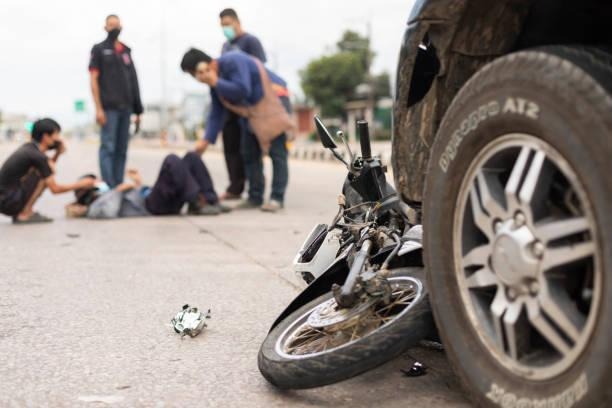

Charleston is West Virginia’s capital and its largest city; however, its proximity to the Appalachian Mountains doesn’t allow all of its space to be occupied, making it home to just under 50,000 people. However, its scenic landscape makes it a dream spot for families and tourists alike. Motorcyclists often explore the various routes the city has to offer.
While exploring on motorcycles can be a thrilling and calming experience, it can also become the cause of life-altering accidents. Motorcycle accidents can lead to serious injuries, mounting medical expenses, and lost income. This often leaves victims uncertain about what steps to take next.
For these reasons, many riders start seeking legal help after a motorcycle accident in Charleston, WV. Unlike ordinary car accident cases, motorcycle injury claims undergo a different level of scrutiny. Understanding how compensation works can support your recovery process.
Why motorcycle accident claims are treated differently
Motorcyclists are uniquely vulnerable on the road. Without a protective vehicle frame, seatbelts, or airbags, even a low-speed impact can cause serious injuries. Common motorcycle accident injuries include broken bones, traumatic brain injuries, spinal damage, and road rash.
Motorcycle accident claims often involve higher damages because of the severity of the injuries. At the same time, riders may face unfair bias. Insurers sometimes assume that motorcyclists speed or engage in risky behavior. All these things make careful documentation and legal strategy especially important.
Establishing fault after a motorcycle crash
Most motorcycle accident claims are based on negligence. In other words, you have to prove that someone else was negligent and caused the crash. This could include the following:
- Drivers who failed to yield to a motorcycle or turned left in front of one.
- Drivers who were distracted or impaired may also have contributed to the crash.
- Unsafe road conditions or missing signage.
- A mechanical failure or a faulty motorcycle part can cause malfunctions.
Evidence plays a key role here. Police reports, photographs, witness statements, traffic footage, and medical records can help establish what happened.
Understanding the damages you may recover
You may be entitled to compensation for both current losses and future damages. Common types of recoverable damages include:
- Emergency medical treatment, like surgeries, rehabilitation, therapy, medication, and future medical care.
- You may also recover compensation for lost wages and reduced future earning capacity.
- Injuries sustained or the aggravation of existing injuries are also considered.
- Reparation or replacement of the motorcycle, helmet, and riding gear that you had damaged.
- Permanent impairment refers to injuries that cause lifelong disability or disfigurement.
The damages you suffer reflect more than just what happened on that fateful day. Rather, they factor in how those injuries affect your life months or years later.
How riding laws can impact compensation
The motorcycle laws and regulations, like helmet and traffic laws, may affect fault assessments. If a rider broke the law, the insurance company can argue that they were partly to blame. While it does not automatically eliminate compensation, it can influence the calculation of damages.
Key Takeaways
- Motorcycle accidents can cause you more serious injuries than car accidents.
- Strong evidence is essential to proving negligence.
- A victim’s damages may include medical expenses, lost wages, pain and suffering, and future damages.
- State riding laws can affect how compensation is determined.
- Being familiar with your rights early in the case can help protect your recovery and future.