
If you manage trucks for a living, you already know the repair bills don’t lie. The way you or your drivers handle a rig shows up later in Diesel Truck Repair costs—sometimes sooner than you’d like. Smooth, steady habits keep engines happier, components alive for longer, and schedules on track. Sloppy habits do the opposite: more downtime, more spend, more headaches.
Below, you’ll see the most common driving behaviours that push repair frequency up, plus simple changes that make a real difference on the road and in your budget.
1) Aggressive throttle and hard braking
Punching the accelerator and then standing on the brakes cooks pads and rotors, stresses the suspension, and invites premature engine wear. You also burn more fuel for worse results.
Do this instead: Roll into the throttle, look further ahead, and decelerate earlier. Teach “feather-foot” driving in toolbox talks—drivers who keep momentum spend less at the shop.
2) Running overweight (even “a little”)
A few hundred extra pounds might feel harmless, but it adds up across axles, tyres, brakes, and driveline parts. Overweight trucks also wander out of alignment faster and chew through rubber.
Do this instead: Weigh often, load evenly, and respect axle limits. A cheap scale check beats a pricey hub, spring, or tyre replacement—not to mention fines.
3) Lots of short trips and stop-start routes
Cold engines don’t burn clean. Repeated short hops build carbon, fuel residue, and sludge that can bother injectors, turbochargers, and after-treatment systems.
Do this instead: Batch stops, add the occasional longer leg to bring temps up, and avoid shut-down-start cycles when a brief wait will do. Warm engines are cleaner engines.
4) Excessive idling
Idling feels harmless, but it racks up hours with no miles to show—wear on turbos, injectors, and cooling systems with zero productivity.
Do this instead: Kill the engine when parked and use APUs or cab heaters where available. Set clear idle rules (e.g., weather exceptions only) and track idle time in reports.
5) Bad shifting habits (manuals)
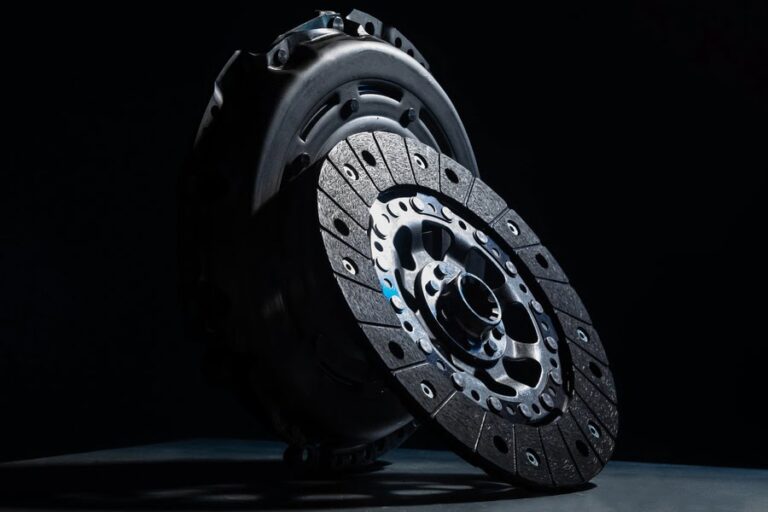
Riding the clutch, skipping gears under load, or rushing shifts grinds away at plates, synchros, and bearings. The damage is slow and sneaky—until it isn’t.
Do this instead: Full clutch engagement, correct RPM windows, and no lazy feet. A quick refresher session for manual drivers is far cheaper than a clutch job.
What breaks first when habits are poor
- Engine & turbo: extra heat, carbon build-up, and oil contamination accelerate wear.
- Brakes & tyres: hard stops and overweight loads eat friction material and tread.
- Suspension & axles: added stress shortens the life of springs, shocks, bushings, and bearings.
- Transmission & clutch: sloppy shifts and clutch abuse lead to slip and failure.
- Fuel system: incomplete combustion dirties injectors and filters, hurting MPG and power.
Simple practices that cut repair frequency
- Drive smoother: gentle throttle/brake inputs protect engines, brakes, and tyres.
- Respect weights: stay within limits and distribute loads correctly.
- Plan routes wisely: mix in longer runs so engines reach proper temp.
- Limit idle: shut down when parked; lean on auxiliary systems for comfort.
- Shift right: teach (or re-teach) proper technique for manuals; avoid gear skipping under load.
Preventive maintenance still matters
Good habits stretch the interval between failures; preventive maintenance catches the quiet problems before they turn loud and expensive. Regular inspections, fluid checks, and scheduled services keep small issues from snowballing. Partnering with a dependable mobile diesel service is a smart play, too—it keeps trucks compliant and road-ready without shop detours and lost hours.
Bottom line
Driving style is the fastest lever you can pull to reduce Diesel Truck Repair frequency. Ease off the throttle, brake earlier, run within weight, cut idle, and shift correctly. Pair those habits with consistent preventive maintenance and a mobile service you trust. You’ll see fewer surprises, longer component life, lower fuel spend—and a fleet that stays busy earning, not waiting in a bay.