I have seen many drivers ask how long a car battery should last. A strong battery usually runs for a decent number of years. Life depends on how you drive and where you live. Hot or cold weather can wear it out faster.
When a battery starts to weaken, you can feel slow starts or dim lights. Knowing this helps you act early and keep your car running strong every day. This article will tell you exactly how long should a car battery last.
How Long Should a Car Battery Last?
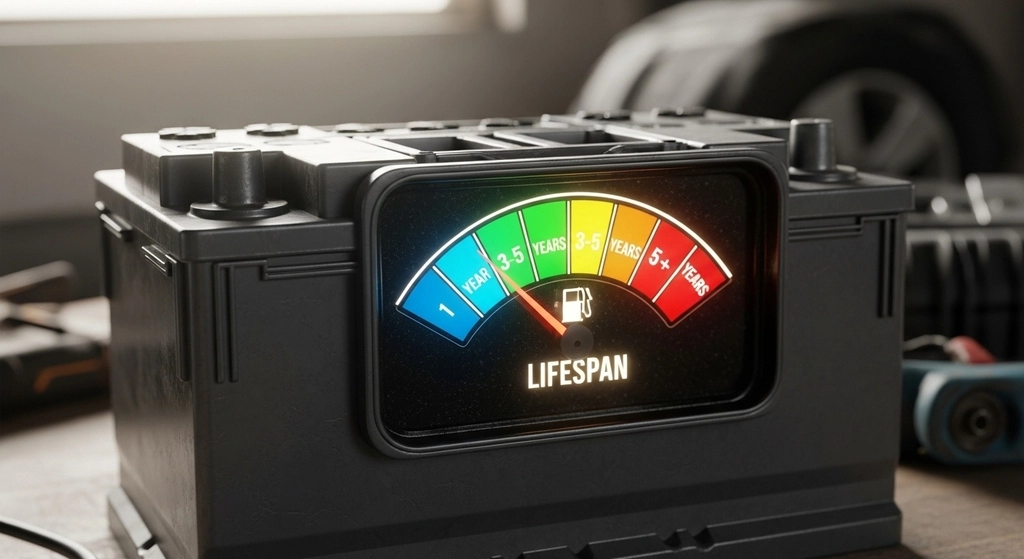
I have observed that the average car battery can be used between three and five years before it loses power. It depends on how you drive and the type of climate you are living in. The battery works better and stays charged when you drive regularly. However, when a car is parked for weeks, the battery runs empty.
Just like an oil change keeps your engine healthy, replacing your battery on time keeps your car reliable. Several extreme temperatures such as excessive heat or extreme cold can also reduce a battery’s lifespan faster than expected. Every battery deteriorates, even with much attention. That is why timely replacement ensures your car starts well and you never end up stranded on the road.
4 Types of Car Batteries
I have had different cars over the years and I have had experience with almost every battery type other than EV batteries. My experience with all these cars allows me to tell you about the following battery types.
Lead-Acid Batteries
These are the most popular and cheapest batteries and they are common in most cars. They offer continuous power but should be periodically checked to maintain them. Otherwise, they lose charge more easily and are reduced in life expectancy.
AGM (Absorbent Glass Mat) Batteries
I have observed that these batteries are excellent when applied to vehicles that need more power. They are good at absorbing vibrations and they charge faster than regular ones. AGM batteries also have extended lifespan and work better in cold temperature.
EFB (Enhanced Flooded Batteries)
These are enhanced editions of standard lead-acid batteries. They are designed in new cars that have a start-stop technology. The EFB batteries provide better performance and they can complete more cycles of charging without becoming powerless.
Lithium-Ion Batteries
These are the smallest and most modernized car batteries in the world today. They are usually used in hybrid cars or electric cars since they carry higher energy. They take longer, charge faster and they require almost no maintenance at all.
Factors That Affect Battery Life
I have now understood that the life of a car battery is not limited to its age. The way you drive and what you drive are important factors during the duration of driving.
Driving Habits
Constant driving prevents the battery from charging completely. This undermines it in the long run, reducing its life. Regular long journeys cause the battery to remain strong and retain power longer.
Weather Conditions
Batteries in cars cannot withstand extreme temperatures. Hot weather accelerates fluid evaporation whilst cold weather does not allow the engine to start. They both have the ability to reduce battery performance and life.
Vehicle Usage Patterns
Unused cars that are left unused for weeks tend to have weak batteries. It has low power consumption even when the engine is switched off. The most common way of maintaining the car’s health is by starting it regularly or by using a trickle charger.
Vibration and Maintenance
Rough roads have vibrations, which can ruin plates in batteries. This problem is worsened by loose mounts. By ensuring that the battery is firmly attached and that its terminals are clean, the battery’s lifespan will increase.
Signs Your Car Battery Is Dying
I have heard of numerous drivers who do not notice the early symptoms of an aging battery in the car until the car does not start anymore. Being aware of these signs at an early age can save you from being stranded somewhere and have a dead engine.
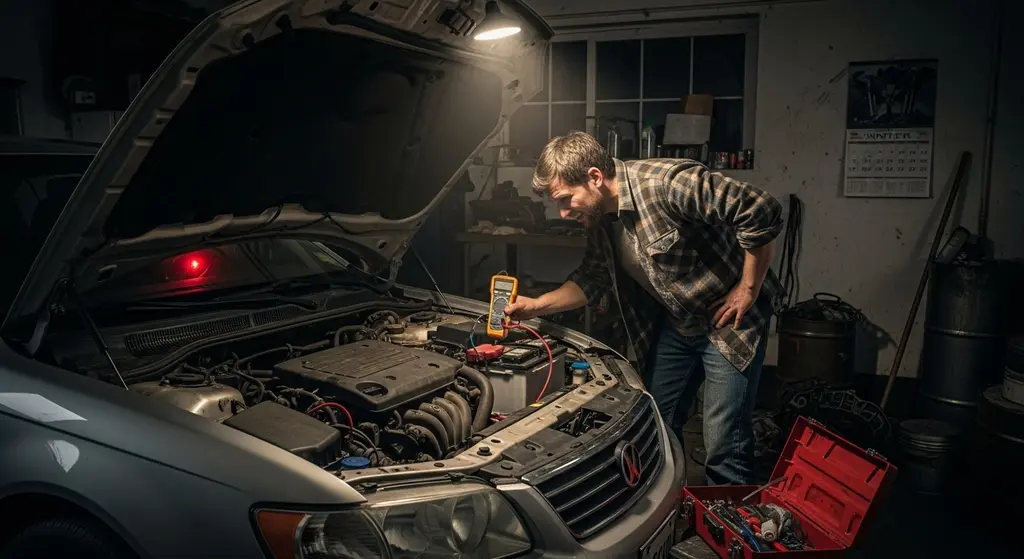
Slow Engine Start
When you switch on the key and the engine takes time to start, it is normally an indication that the battery is losing its power. This slow crank is one of the initial indications that it can break down in the near future.
Dim or Flickering Lights
Lights (headlights or interior lights) that appear dim or flickering indicate that the battery is not capable of providing constant power. It cannot even match your car’s electric needs.
Warning Light on Dashboard
The majority of vehicles have a battery-shaped warning indicator. When it is turned on during driving, it can have a problem with charging or a poor battery that should be replaced.
Electrical Issues
Your radio, power windows, or dashboard will be behaving strangely and it could be because of low battery voltage. These minor glitches can be seen prior to the failure of the battery.
How to Make Your Battery Last Longer
I have learned that minor habits will help your car battery last a lot longer.
- Use the car regularly to ensure that the battery is charged.
- Wipe off the terminals to prevent corrosion that prevents the passage of power.
- Ensure that the battery is firmly attached to prevent vibration destruction.
- Do not leave lights and electronics on when the engine is off.
- When it is very hot or cold, park in a shaded or covered parking space.
These are some of the easy measures that will ensure your battery is powerful and it is available any time you get into your car.
Conclusion
So to conclude everything now, a car battery usually lasts about three to five years if you care for it well. Regular driving and simple maintenance make a big difference. Keep an eye out for weak starts or dim lights. Replacing your battery on time keeps your car reliable and saves you from sudden breakdowns.