
When it comes to taking care of our cars, seasonal maintenance is one of those dry and dull subjects that most drivers put off to the last minute.
On one hand, every driver wants their car to start with a single turn of the key. On the other hand, every driver wants to avoid the sinking feeling when something goes wrong while driving on the highway at midnight.
Here’s the problem:
Most people skip or put off routine maintenance until something breaks. And by then? The repair bill is already through the roof.
The good news?
Seasonal car maintenance is free to plan, easy to implement, and can save drivers thousands of dollars in emergency repairs.
So let’s dive in. Here’s what you’ll learn:
- Why Seasonal Maintenance Matters
- Spring/Summer Car Care Checklist
- Fall/Winter Preparation Guide
- Budgeting for Year-Round Car Maintenance
Why Car Maintenance is Non-Negotiable
Car maintenance is the difference between a reliable car and an expensive paperweight. (Or an empty box on four wheels, if you prefer.)
Consider the facts:
- According to AAA research, 35% of Americans either skip or put off recommended vehicle service. That means over one-third of drivers gamble with their vehicles every day.
- According to the Bureau of Labor Statistics, repair costs jumped nearly 25% between 2022 and 2024. The longer you put off routine maintenance, the more you pay for it in the long run.
- Research from AAA reveals that neglecting preventative maintenance nearly doubles the risk of breakdowns compared to vehicles that get serviced on schedule.
- The same study found that neglected vehicles are four times more likely to require towing in the event of a breakdown.
Car maintenance is simple and straightforward. Regular preventative maintenance saves drivers money, time, and often guarantees safety.
Bottom line: Drivers know how much any repair or maintenance service costs before starting the work, not after it’s finished.
Using an online auto repair estimator is an effective and easy solution. It’s a quick way for drivers to understand the financial aspect of car maintenance.
Simple, right?
Spring and Summer Car Maintenance
There’s a different set of maintenance tasks drivers need to consider when summer arrives. Heat kills batteries faster than cold. Road trips and outdoor activities put more miles on tires. And that AC system better be working when the temperatures rise.
Here are a few areas to consider:
- Coolant levels may need to be topped off. Radiators should be inspected for leaks and damage.
- Air conditioning systems should be serviced. Adding refrigerant to a weak AC system is an easy fix. Waiting until July to discover your AC is broken is a mistake.
- Tire condition needs to be closely monitored. Hot pavement wears out tires faster. Tread depth should be measured. Check for cracks and bulges on sidewalls.
- Battery fluid evaporates at an increased rate in high temperatures. A battery that can survive a Boston winter may die in Phoenix summer.
Prevention is the best approach here. Spotting a worn belt in April is cheaper than replacing an overheated engine in August.
Fall and Winter Maintenance and Preparation
Cold weather is no joke for most vehicles. Oil and other fluids thicken. Batteries lose charge and power. Tires lose air pressure.
Here are a few things most drivers don’t do in the fall:
Winter tires or all-season tires need proper tread depth. Anything less than 4/32 of an inch is dangerous in wet or icy road conditions.
Antifreeze levels should be checked. A 50/50 mixture of coolant and water is ideal. Anything lower runs the risk of freezing.
Windshield wipers are another area to consider. Fall and winter take a toll on wipers. Replacing them before the first snowstorm is cheap insurance for visibility.
Something to keep in mind…
Battery life expectancy is three to five years. But winter weather drains batteries faster. Getting your battery tested before cold weather arrives prevents that frozen morning feeling when nothing happens when you turn the key.
Maintenance and Repair Costs: The Truth About Skipping
We’ve covered how crucial maintenance is. But what does that really cost?
- Vehicles 10 years and older are twice as likely to experience a breakdown compared to newer models, according to AAA.
- When breakdowns occur, older vehicles are four times more likely to require towing service compared to newer ones.
Translation:
- Towing fees.
- Emergency repair markups.
- Rental car costs.
- Lost work or missed appointments.
Annual vehicle repair costs hover around $652 per year for well-maintained vehicles. Emergency repairs following a breakdown? Easily thousands of dollars.
Regular car maintenance spreads costs out over time. Neglected maintenance stacks costs up all at once.
Creating a Year-Round Maintenance Schedule
The easiest way to ensure all recommended maintenance is done is to create a simple maintenance schedule.
Monthly:
- Check tire pressure (don’t forget the spare).
- Inspect windshield wipers.
- Top off washer fluid.
Quarterly:
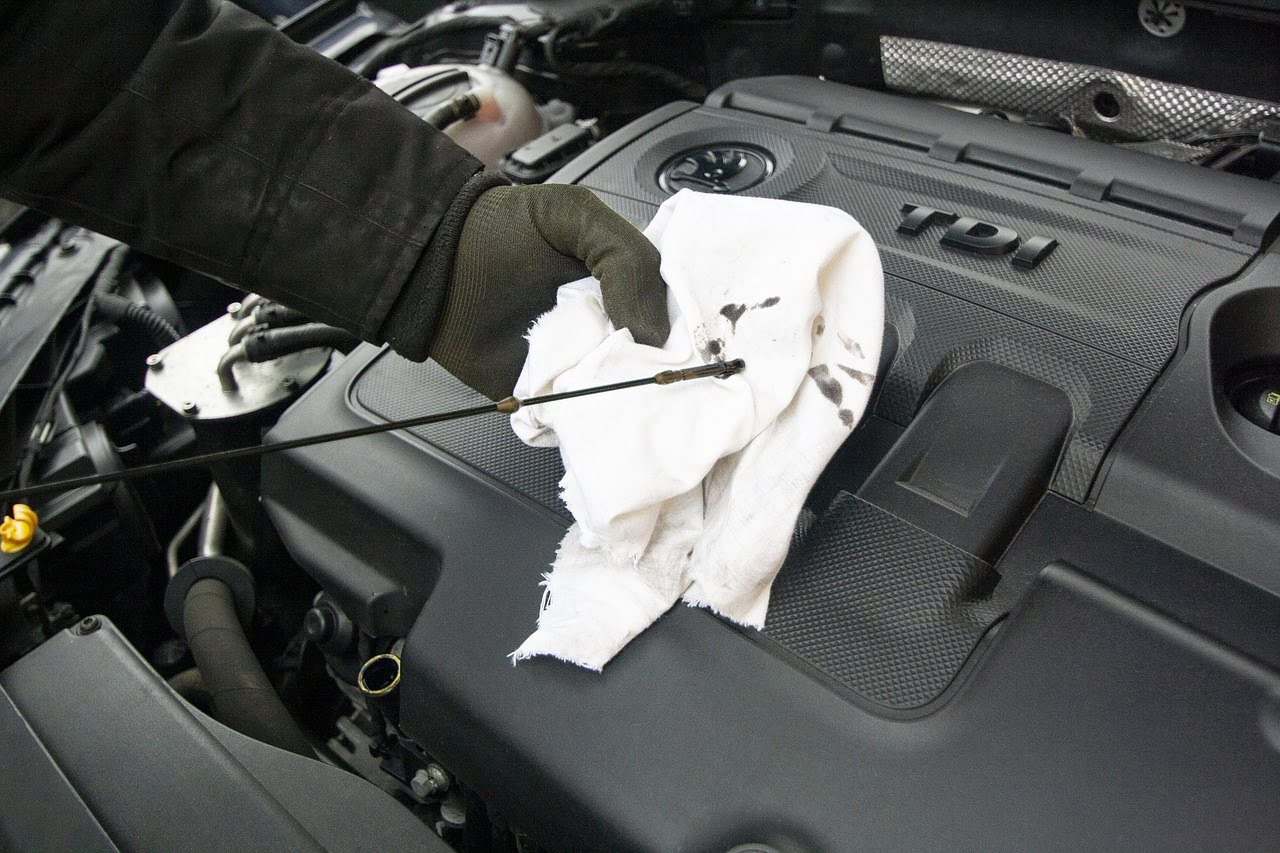
- Check all fluid levels: oil, coolant, brake fluid, transmission fluid.
- Inspect belts and hoses for signs of wear and tear.
- Test all lights and signals.
Seasonally:
- Rotate tires every 5,000 to 7,500 miles.
- Replace air filters as needed.
- Have a professional inspection done before summer and winter.
This doesn’t require any special mechanical knowledge. It requires consistency.
The Biggest Car Maintenance Mistakes Drivers Make
We all want to be good at maintaining our vehicles. But even well-meaning drivers make mistakes. Knowing these common errors helps everyone avoid them.
- Ignoring warning lights: Dashboard warnings don’t come on without reason. Driving with a check engine light for weeks is asking for trouble.
- Using the wrong fluids: Motor oil varies in quality. Coolants are different in different vehicles. Check the owner’s manual to ensure each vehicle is serviced with exactly what’s needed.
- Forgetting tire pressure: This is a big one. Research shows 60% of drivers never check tire pressure. Under-inflated tires wear out faster. Handling is worse in an emergency. Fuel economy drops.
It’s OK to be imperfect, though.
Waiting too long between oil changes is another example. Newer cars have longer intervals between changes than older vehicles. But “longer” doesn’t mean “never.” Sticking to manufacturer recommendations keeps engines healthy.
Finding a Repair Shop You Can Trust
Not every mechanic charges the same rates or provides the same quality of service. Here’s what to look for when selecting a repair shop:
- Mechanics with official training and certification from vehicle manufacturers.
- Transparent prices before any work begins.
- Real customer reviews and satisfaction.
- Clear communication and explanations of repairs.
Trustworthy mechanics and repair shops are rare. Most are good at what they do. But some go out of their way to earn and keep customers’ trust. That means no surprise repairs. It means explaining every issue before doing any work.
The best repair shops view car maintenance as a partnership. You can’t build that kind of relationship by shopping for auto repair based on lowest prices.
Conclusion
Seasonal car maintenance isn’t sexy. But it works.
Cars and other vehicles that get regular maintenance last longer. Run better. And cost less to own over time. Skipping routine maintenance might save a few dollars this week. But it creates a much larger problem down the road.
Remember: A consistent maintenance schedule.
Don’t ignore small issues, knowing they’ll get worse. Prepare vehicles for seasonal temperature changes. Most importantly, create a budget for routine costs instead of emergency surprises.
It’s one of the few areas where spending a little bit of time and money makes a real difference. Because the alternative is simply hoping nothing breaks. And hope is never a good long-term strategy for keeping your vehicle running.