
Your wheels and tires work hard. They face scorching summer heat, freezing winter slush, and everything in between. Ignoring them is tempting. They seem so tough. But regular care here and there goes a long way. It keeps you safe on the road. It also saves you serious money in the long run.
These are not complex tasks. They are simple habits that protect your investment. Let’s walk through a seasonal plan for keeping your shoes in top shape.
Pressure Is Your Best Friend
This is the number one rule. Check your tire pressure on a monthly basis. Do this when the tires are cold. The correct PSI is on a sticker inside your driver’s door jamb. Avoid using the number on the tire’s sidewall. Temperature changes affect pressure. For every 10°F drop, you lose about 1 PSI.
Underinflated tires wear out faster. They also hurt your fuel economy. Overinflated tires make for a harsh ride and reduce grip. A simple gauge is cheap. Using it is the smartest thing you can do. This is especially critical for maintaining the handling and efficiency of setups with larger wheels and low-profile tires.
Give Them a Regular Bath
Wheels get filthy. Brake dust, road salt, and grime build up fast. This grime is not just ugly. It can be corrosive. It can permanently stain or etch your wheel’s finish. Clean your wheels every two weeks. Use a dedicated, pH-balanced wheel cleaner. Avoid harsh household products. A soft brush helps get into the spokes.
For factory alloy wheels, like a set of Chevy stock rims 20, gentle care preserves that like-new shine for years. After cleaning, a coat of wheel-specific sealant adds a protective barrier. It makes the next wash much easier.
The Seasonal Swap Is Smart
If you live where winters are harsh, use winter tires. They are not a luxury. They are a safety device. Winter rubber stays pliable in freezing cold. All-season tires harden like hockey pucks. This gives you exponentially better traction on snow and ice.
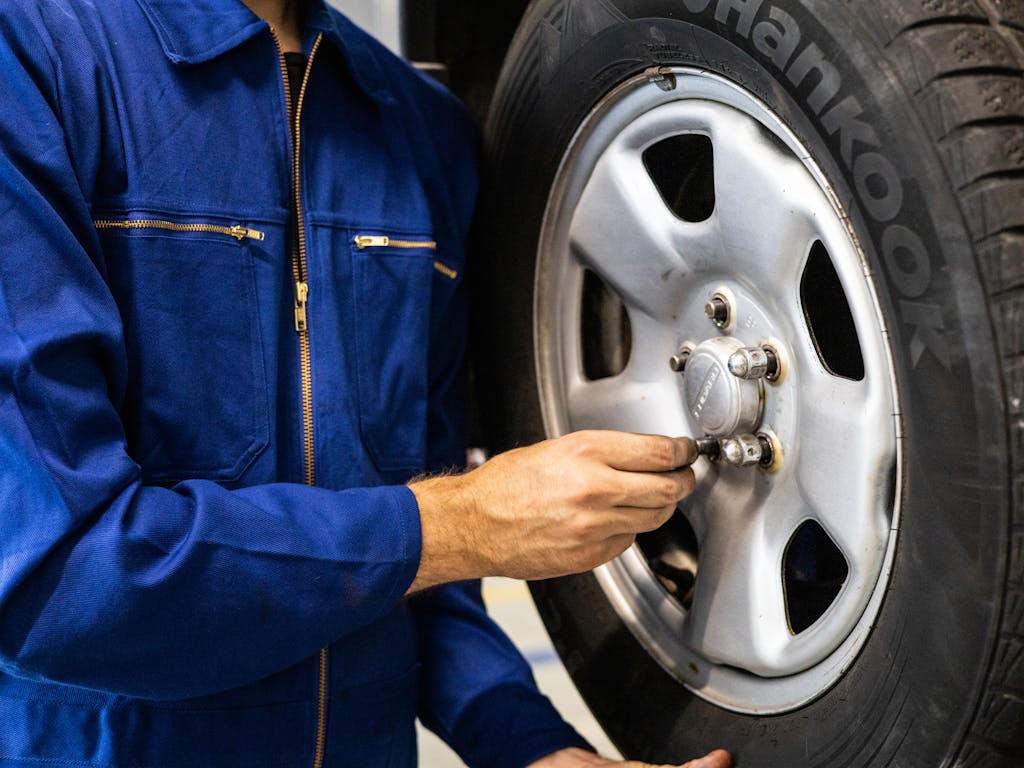
The best practice is to mount them on a dedicated set of inexpensive steel or alloy wheels. This prevents the cost and hassle of remounting and balancing tires twice a year. It also protects your nicer summer wheels from road salt and winter damage. Swapping a complete set of wheels is a quick job you can even do at home.
The Visual Inspection Ritual
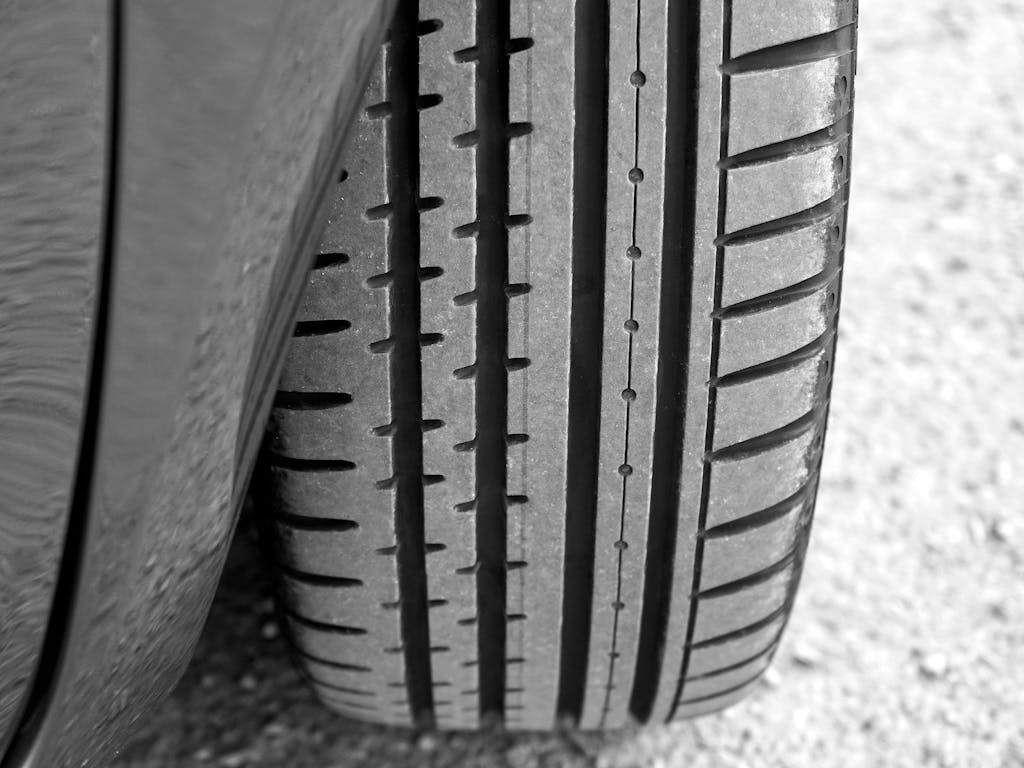
Make it a habit. Walk around your car once a week. Look at your tires. You are searching for nails, screws, or unusual cuts in the tread. Check the sidewalls for bulges or cracks. Look at your rims for any new scratches, curb rash, or signs of bending.
Catching a slow leak from a nail early can save a tire. Finding a small sidewall bulge prevents a dangerous blowout. This two-minute visual check is your first line of defense.
Rotate for Even Wear
Your tires do not wear evenly. Front tires wear faster on the edges from cornering. Rear tires often wear more in the center. Rotating them evens this out. It extends their overall life significantly.
Most experts recommend a rotation every 5,000 to 8,000 miles. Follow your vehicle’s specific rotation pattern. This is a cheap service. It pays for itself by getting thousands of extra miles from your tire set.
Alignment: The Invisible Essential
You hit a pothole. You bump a curb. This can knock your wheels out of alignment. The signs are subtle. Your car might pull gently to one side. Your steering wheel may be off-center when driving straight. Uneven tire wear is a major clue.
A professional alignment once a year is a wise investment. It ensures your tires meet the road perfectly. This prevents rapid, strange wear patterns. It also keeps your handling sharp and predictable.
Proper Storage Matters
If you have seasonal wheels, store them correctly. Clean them thoroughly first. Let them dry completely. Place them in airtight plastic bags if possible. Store them lying flat, or hang them on a wall. Do not stack them. Stacking can cause flat spots on the tires.
It can also bend the wheels over time. Keep them in a cool, dry place away from direct sunlight and ozone sources (like old furnaces or motors).
The Bottom Line
Maintaining wheels and tires is not about obsessive polishing. It is about consistent, simple maintenance. It is about pressure checks and timely rotations. It is about cleaning off corrosive gunk and using the right rubber for the season. These habits guarantee safety. They maximize performance.
They also protect the look and value of your vehicle. Your wheels are the only part touching the road. Taking care of them means taking care of your entire driving experience. It is the simplest form of preventative medicine for your car.