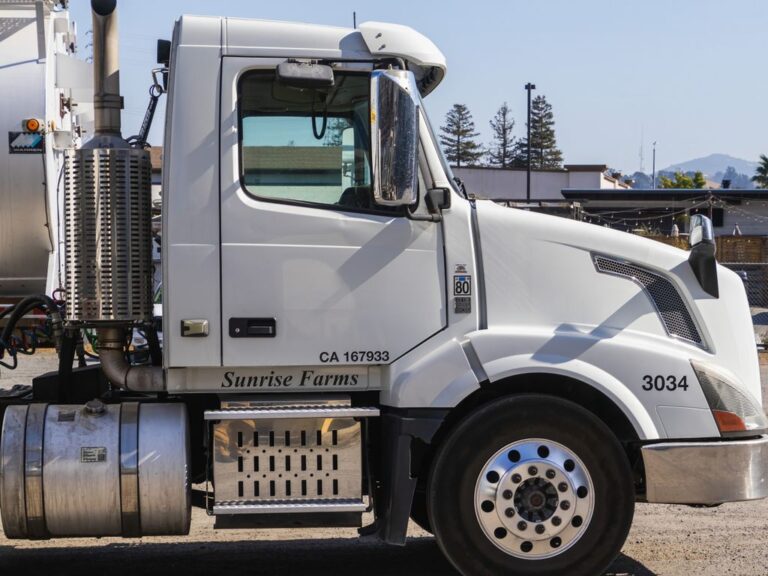
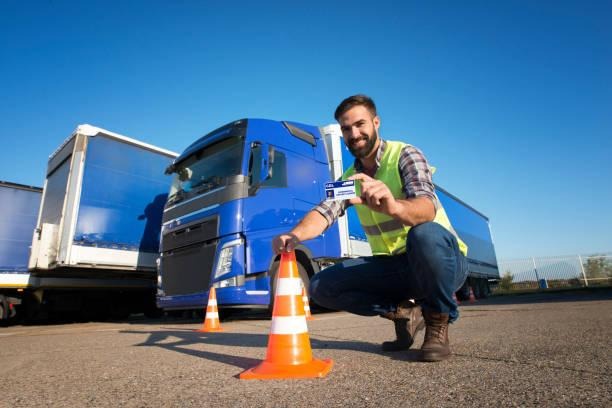

A Commercial Driver’s License, usually called a CDL, is required to drive large or commercial vehicles for work. It shows that you are trained to handle vehicles that are bigger and heavier than normal cars.
Washington is in the Pacific Northwest and has a mix of busy cities, farming areas, ports, and mountain passes. Trucking and bus services play a big role in how goods and people move around the region. When you learn about the types of driver’s license in Washington, it becomes easier to figure out the exact license you should work toward.
Preparing for a CDL is not something you rush through on a weekend. You will be studying, practicing, and filling out forms. With steady work, it starts to feel manageable.
What is a Commercial Driver’s License (CDL)?
A CDL is a license that allows you to legally operate large trucks, buses, and other commercial vehicles. These vehicles require a higher level of skill and awareness. That is why the tests are more detailed than those for a regular license.
Data reveals that trucks move most of the freight that stores rely on, and millions of licensed commercial drivers support that system every day. There are three main CDL classes, with each one tied to the size and kind of vehicle you plan to drive.
- Class A CDL: A Class A CDL is for combination vehicles such as tractor-trailers and big rigs that pull large trailers.
- Class B CDL: A Class B CDL is for single heavy vehicles like buses, dump trucks, box trucks, and some construction vehicles.
- Class C CDL: A Class C CDL covers smaller commercial vehicles (small buses and vans) that still carry passengers or hazardous materials.
What are the CDL Requirements in Washington?
First, you need a valid Washington driver’s license and to meet the age rules. Interstate commercial driving usually requires you to be at least 21, while some in-state work may allow younger drivers.
You must provide proof of identity, Social Security number, and Washington residency. Then you take a written knowledge test to receive a Commercial Learner’s Permit, or CLP. The permit lets you practice driving a commercial vehicle with supervision.
A medical exam is required. A certified examiner checks your vision, hearing, health conditions, and medications to be sure you are safe to drive for long hours. After that, you must complete a skills test, which includes a pre-trip inspection, basic controls, and a road test.
What Endorsements are Available for a CDL?
Endorsements give extra driving privileges. Examples include school bus, passenger, tanker, hazardous materials, and double or triple trailers. Some require fingerprinting or background checks, especially hazmat.
Choose endorsements based on the work you plan to do. You do not need every endorsement, only the ones that match your job path.
How Can You Prepare for the Test?
Start with the Washington CDL manual. Read in short focused sessions instead of cramming everything at once. Practice questions help you learn how test items are worded.
You also need to do real driving practice with a commercial vehicle and a qualified supervisor. Be proficient in wide turns, mirror use, backing, and space awareness. Make as many mistakes as you can during practice to help you improve.
On the day of taking the test, make sure you arrive early and breathe slowly if you feel nervous. Carefully listen to instructions and take your time to provide the answers. Calm, steady effort usually works better than last-minute cramming.
Final Thoughts
Getting a CDL in Washington is very possible but takes patience and practice. Know your license class, meet the requirements, and prepare for both written and driving tests. With the right mindset and consistent practice, anyone can successfully move toward a career in trucking or commercial driving.
Key Takeaways
- A CDL allows drivers to handle large or commercial vehicles
- There are different types of driver’s license in Washington (A, B, and C) to choose the right path
- The basic requirements for acquiring a CDL include age limits, documents, CLP, skills test, and medical exam
- Endorsements help to expand your job options
- Preparation requires reading, real practice, and calm test-taking habit