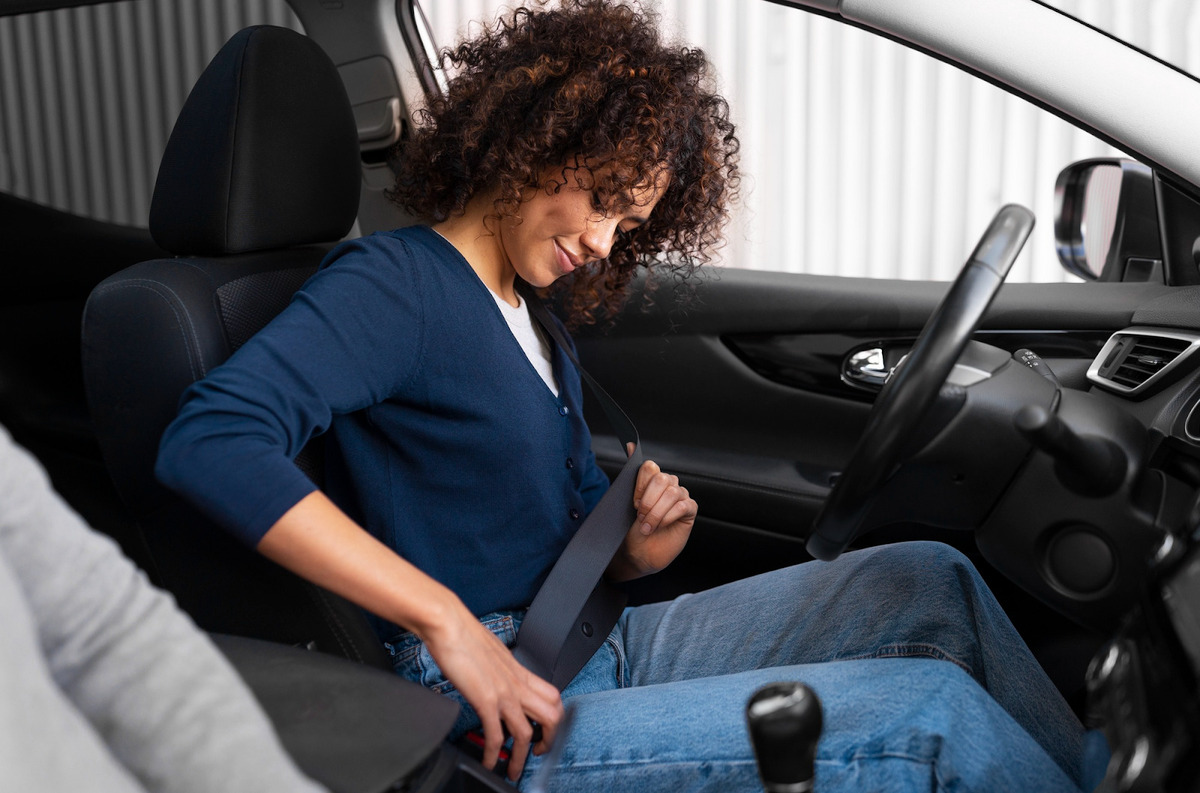

California seat belt and car seat laws are strictly enforced to keep all passengers safe. The state sets clear rules for how both children and adults must be properly restrained. Following these laws isn’t just about avoiding a fine; it also reduces the risk of serious injury in a crash and helps ensure everyone in the vehicle stays safe. Always ensure car seats are installed correctly and appropriate for the child’s age, weight, and height.
Many parents and guardians often ask, when can kids sit in the front seat? California law is strict about child passenger safety, requiring children to ride in the back seat with the appropriate car seat or booster seat based on their age, weight, and height.
Adhering to these regulations ensures that children are safer while traveling and complies with the requirements of the state for being legal.
Legal Requirements Vary by State
Every state has a seat belt and car seat law, which differs by age, weight, position, and the kind of restraint required. In California, all riders in the vehicle have to wear seat belts, and the drivers are responsible for ensuring that all the people in the car are seated properly.
The laws also dictate special requirements on the booster seats as well as how the children are to be seated adequately in the vehicle. Understanding your state’s laws not only ensures compliance but also helps prevent unnecessary fines or legal complications while keeping everyone in the vehicle safe.
Safety Benefits
Using seat belts and car seats cuts the risk of fatal or serious injury by about half. They prevent passengers from being thrown forward, hitting hard interior surfaces, or being ejected during a collision. Properly securing children in age- and size-appropriate restraints ensures they receive the maximum protection.
Booster seat and car seat laws try to provide additional protection for smaller or younger passengers. Adherence to your state law enables such safety features to be installed and implemented successfully and uniformly, giving maximum protection to all passengers on board.
Avoidance of Legal Consequences
Disobedience of car seat and seat belt regulations may result in fines, driving points, and increased insurance rates. In California, police officers are authorized to issue a ticket for any unrestrained passenger, regardless of the trip duration.
Accumulating multiple offenses can lead to more serious legal consequences and may impact your driving privileges. Following the rules not only keeps you compliant with the law but also helps you avoid long-lasting fines and demonstrates responsible driving.
Promoting Safe Driving Behavior
Wearing seat belts and following car seat laws consistently promotes a culture of safety for everyone in the vehicle. It encourages all passengers to buckle up, sets a good example for other drivers, and, over time, helps reduce accidents and injuries while reinforcing defensive driving habits in the community.
Consistently practicing these safety measures also helps protect children and vulnerable passengers, ensuring everyone arrives safely at their destination.
Having Access to Resources and Advice
All states, including California, provide resources to teach proper use of seat belts and car seats. Driver’s education classes, DMV websites, and public safety programs offer guidance on legal requirements, correct usage, and proper installation. These resources help ensure that passengers are safely secured and that drivers remain both safe and compliant with the law.
Final considerations
Following your state’s car seat and seat belt laws is important for safety, legal compliance, and responsible driving. By knowing the rules, prioritizing safety, and using available resources, drivers can help keep themselves and their passengers safe on every trip. Regularly checking that seat belts and car seats are properly installed and in good condition further ensures maximum protection for all passengers.
- Seat belt and car seat laws vary by state; California laws are strict.
- Proper use of restraints reduces the risk of injury or death.
- Non-compliance will result in fines, points, and insurance consequences.
- Following the law encourages adherence to safe driving habits.
- Resources are available to help drivers understand and follow the law.