I have seen many people panic when they shop for a used car and ask one question first — how many miles is good. The truth is that mileage does not tell the full story but people still use it as a quick filter.
Most buyers think a car with fewer miles will last longer and cost less later. Before you decide on a number you must understand what mileage really reflects and what it does not. This article will go in detail to tell you how many miles is good for a used car.
Why Mileage Still Matters on a Used Car
Mileage is also important to a used car since it gives an idea of the period in which the car has been in operation and the rate at which the parts have been subjected to wear. When a car has covered long miles, it tends to wear out the engine, suspension, and transmission. The risk and value of a used car are still judged by many buyers and lenders despite the presence of other factors of great importance.
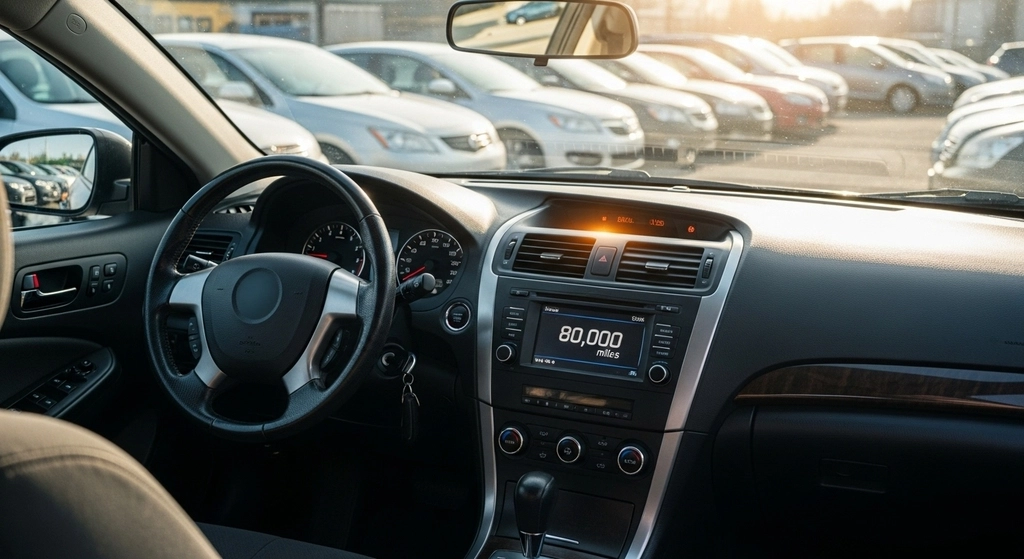
How Many Miles Is Good for a Used Car?
The majority of people would like to acquire a used vehicle that has not been driven too much. The recommended maximum safe distance is 10k-15k miles a year. It will ensure a 5-year-old car with 50k-75k miles does not look bad.
Most of the buyers make an attempt to remain below 100k miles since at that stage cars are likely to require larger repairs. But a car with 90k miles and good service can still beat a 40k-mile car that had no care.
Mileage is a clue, not a final answer. You must judge the story behind the miles before you decide.
When Mileage Becomes “High” and a Risk
Let’s be honest, most people get nervous when they see big numbers on an odometer. In many cars, the mileage starts to feel “high” when it crosses 100k to 150k miles. At that point parts like the transmission suspension and cooling system have already worked for many years and can fail without warning.
After 200k miles, the risk grows even more because most cars are past their designed life cycle. High mileage does not always mean the car is bad but it does mean you should inspect it deeper and expect more repairs sooner.
Mileage Is Not the Only Measure of a Car’s Health
I have seen many people judge a car only by its mileage and they make a huge mistake. The distance is just half the tale. Even with low mileage, a car can be in a poor condition in case a person drove hard and did not change the oil regularly or just parked the car for several years without any use.
Even a high-mileage car will run smoothly if the owner maintained the car on schedule and used quality parts. You must check service history, driving habits, car accident record and current engine condition before saying a car is good or bad. Mileage alone never decides the truth.
How Miles Change the Price and Resale Value
I have bought and sold used cars enough times to see how miles change the deal. At first, I also ignored mileage but later I saw how hard it hit the price.
- Low miles make buyers feel safe and willing to pay more.
- High mileage quickly drags the asking price down.
- Sellers with low miles close deals faster.
- Cars with high miles sit longer on the market.
- Resale loss grows as mileage climbs each year.
When to Say a Car Has Too Many Miles for the Deal
There is a point when mileage stops being a number and starts being a warning. I have seen many used cars look fresh in photos but the odometer tells the truth. When a car is near or past 150k miles with no strong service history, the risk climbs fast.
At that stage, big mechanical failures like transmission or steering parts can show up without warning. If the seller still wants a high price, you should walk away. The deal only makes sense when the risk and the money stay in balance. If not, it is too many miles for the deal.
Are Certified or Low-Mile Cars a Safer Bet?
I used to think any used car with clean paint is fine until I learned how much protection certified and low-mile cars give. From what I have seen, these two groups remove a lot of hidden risk before you pay.

Certified Cars Come Pre-Checked
Certified cars go through a long inspection before they are allowed to sell. Parts likely to fail early get fixed or replaced to reduce shock repairs later. This makes the car less risky even if the mileage is not extremely low.
Warranty Makes Certified Cars Less Scary
Most certified cars include a warranty that covers high-cost failures. This shield limits surprise bills in the first months of ownership. A warranty also signals that the car passed strict standards.
Low Miles Delay Big Repairs
A low-mile car has not lived through as much wear as a high-mile one. Key systems like the engine and suspension usually have more life left. This gives the buyer a longer runway before heavy repairs show up.
Low Miles Hold Value Better
Used cars with fewer miles keep their price longer when resold. Buyers trust them more and pay higher prices. This makes low-mile cars safer to buy and also easier to sell later.
Conclusion
Let’s be honest, there is no magic number that fits every car but miles still matter a lot in a used buy. From what I have seen, anything under 100k with a clean history feels safe for most people and cars above 150k demand more proof and a lower price.
Mileage shapes trust price and future repair risk. If the miles match the price and the service record looks real then the car can still be a good deal.