
Ever wondered why some cars look new after years while others show wear quickly? The answer often is quality car seat covers.
Your car’s interior gets hit every day. From spilled coffee to muddy shoes, your seats face many challenges. This car seat covers buying guide will help keep your car looking great and feeling comfy.
Choosing the right seat covers is more than looks. It’s about making a smart choice that lasts. Whether you’re driving to work, taking kids to school, or just love your car, we’ve got you covered.
This guide covers key points like durability, comfort, looks, and value. You’ll learn which materials fit your life and wallet. By the end, picking the right seat covers will be easy.
Understanding the Importance of Car Seat Covers
Quality car seat covers make driving better in ways you might not think about. They protect your car’s interior and add comfort and style. Whether you’re driving to work or taking kids to school, the right covers are a smart choice.
Seat covers do more than just look good. They protect your car, make long drives more comfortable, and let you personalize your space.
Shielding Your Investment from Daily Damage
Your car’s seats face many dangers every day. Spills, mud, pet hair, and UV rays can damage even the best seats. This damage lowers your car’s value and appeal.
Good covers protect your seats from these dangers. They absorb daily wear and tear. The best covers also keep spills away from your seats, preventing stains and odors.
Different people need different levels of protection. For example:
- Active families need covers that handle spills and crumbs
- Pet owners need covers that resist scratches and hair
- Outdoor enthusiasts need waterproof covers for dirt and moisture
- Daily commuters need covers that resist wear from getting in and out
UV rays also harm unprotected seats. They cause fading, cracking, and brittleness. Covers with UV protection keep your seats looking new.
“The average cost to reupholster car seats ranges from $200 to $750 per seat. Covers are a smart way to protect your investment.”
Look for covers with strong stitching, water-resistant coatings, and durable fabrics. Heavy-duty covers have layers to prevent damage while staying comfortable.
Think about your needs. Do you carry sports gear or have a pet? Do your kids still use sippy cups? Knowing your needs helps you choose the right covers.
Improving Every Mile You Drive
Comfort is key, especially on long drives. The right covers make your car more comfortable. They add cushioning, regulate temperature, and support your body.
Temperature control is a big plus. Factory seats can get too hot or cold. Modern covers keep you comfortable all year.
Here are some comfort features to look for:
- Breathable mesh fabrics keep you cool
- Neoprene materials stay warm in winter and cool in summer
- Memory foam padding supports your body
- Lumbar support features prevent back pain
The best covers match your climate and driving habits. In hot areas, look for breathability. In cold areas, choose materials that keep you warm.
Extra cushioning is great for firm seats. It makes long drives more comfortable. This is especially important for long commutes.
Texture also matters. Smooth covers make getting in and out easy. Textured covers prevent sliding during turns. Choose what you prefer.
Upgrading your seat covers can eliminate small discomforts. They can fix numbness and constant adjusting. Good covers often solve these problems completely.
Creating Your Personal Driving Space
Your car should reflect your personality. Seat covers are a cheap, easy way to change your car’s look and feel. You can switch them up seasonally or whenever you want a new look.
Personalization is more than just picking a color. The best covers let you match your car’s design and style. From professional to fun patterns, there are endless options.
Here are some ways to personalize your car:
- Classic solid colors for a timeless look
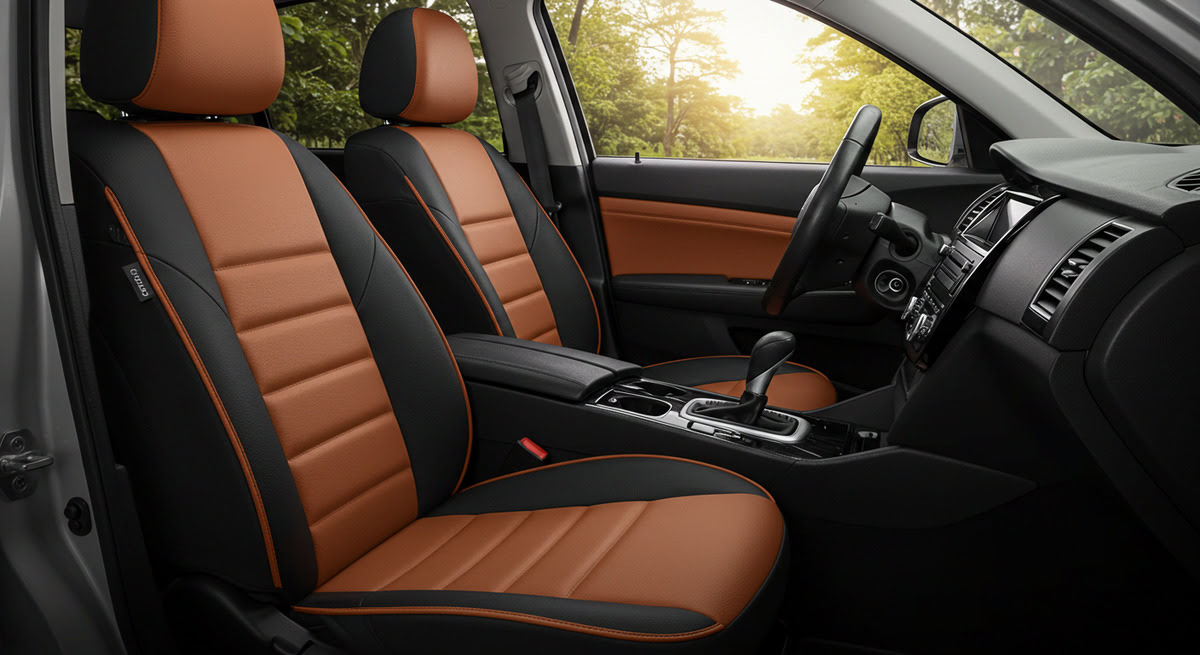
- Two-tone combinations for visual interest
- Camouflage or outdoor patterns for adventure lovers
- Custom embroidery or logos for team pride or personal branding
- Luxury materials to upgrade your car’s interior
Refreshing your car’s interior is easy with the right covers. You can change beige to charcoal or burgundy in minutes. Dated tan leather seats can look new again with the right covers.
Driving a car that looks and feels like you is satisfying. It makes your commute better. Starting your day in a car that makes you happy improves your whole day.
Many drivers choose covers that match their lifestyle or job. Real estate agents prefer neutral colors, while fitness instructors like bold colors. Parents often choose covers that hide stains but still look stylish.
Modern car seat covers offer protection, comfort, and personalization. You don’t have to choose one over the other. Quality covers give you all three benefits, making them a great upgrade for any driver.
Types of Car Seat Covers Available
Car seat covers come in many types. Knowing these options helps you make a smart choice. You can find everything from affordable universal covers to custom designs. Your choice depends on your budget, car type, and driving habits.
Each type has its own purpose and price. Some drivers want a perfect fit, while others prefer something affordable and versatile. Understanding these differences helps you pick the right covers for you.
Comparing Universal and Custom Solutions
Universal fit covers are the most affordable way to protect your seats. They stretch to fit most seats, no matter the make or model. They have elastic edges and straps for a secure fit.
Universal covers are great because they’re flexible and cheap. You can find good ones for $30 to $80. They’re perfect if you switch cars often or need temporary protection.
However, they might not fit perfectly, especially around headrests and side bolsters. They might not work with special features like airbags or armrests. The fit is more like a loose shirt than a tailored suit.
Custom fit covers are made just for your car. They fit every curve of your seats, looking like they came from the factory. They have special cutouts for headrests, armrests, and more.
Custom covers give your car a premium look. They stay in place without moving. Prices range from $150 to $400 or more, depending on your car and material.
These covers take longer to make because they’re custom. But the perfect fit and look are worth the wait for many drivers.
Exploring Popular Material Choices
Knowing about car seat covers materials helps you find the right balance of comfort, durability, and style. Each material offers unique benefits for your driving experience.
Leather and faux leather covers add a luxurious touch. Real leather is durable but expensive. Faux leather looks similar but is cheaper and easier to clean.
Both are easy to clean with a damp cloth. They resist stains and moisture well. But leather can get hot in summer and cold in winter.
- Premium appearance that elevates interior style
- Simple maintenance with just a damp cloth
- Long-lasting durability when properly cared for
- Temperature sensitivity in extreme weather
Fabric covers include materials like polyester, cotton, and canvas. They’re breathable and keep you cool on long drives. They don’t trap heat like leather, making them good for warm places.
Polyester is wrinkle-resistant and affordable. Cotton is soft and breathable. Canvas is durable for work vehicles and outdoor use.
Fabric covers cost between $40 and $150, based on quality. They need washing more often than leather but are machine-washable for ease.
Neoprene covers offer water resistance and durability. Made from the same material as wetsuits, they handle spills and moisture well.
Neoprene is great for active people, beach trips, and outdoor adventures. It stretches for a snug fit and keeps its shape. It’s comfortable and protective.
These covers cost between $100 and $250. They’re perfect for families, athletes, and anyone needing moisture protection.
Protection Designed for Families
Specialized covers are made for families and pets. Standard covers can’t handle the extra wear and mess of family life.
Pet seat covers have waterproof backing and strong construction. They have side flaps to protect door panels from scratches and mud. They’re easy to clean after park visits or vet trips.
Look for covers with non-slip backing and anchor straps. These features keep the cover in place when pets move around. Some covers have hammock designs to protect both seat and floor.
Child-focused covers are easy to clean and safe for kids. They work with car seat anchors and booster seats. They resist spills and crumbs from snacks.
Many specialized covers feature:
- Waterproof or water-resistant top layers
- Quick-release buckles for fast installation
- Machine-washable construction for regular cleaning
- Storage pockets for toys and supplies
These covers cost between $40 and $120. They’re a good investment for protecting against stains and damage. Choose covers that fit your family’s needs.
Factors to Consider Before Buying
Your lifestyle, environment, and personal preferences should guide every decision when shopping for car seat covers. It’s not just about the looks. You need to think about what will work best for you.
Look for covers that fit into your daily routine. They should solve problems, not create new ones. Knowing your specific situation helps you choose the right features.
Matching Covers to How You Drive
Your driving habits show what car seat covers you need. A long-distance commuter has different needs than someone who just goes to the grocery store.
Think about these common driving scenarios:
- Extended commutes: Look for covers with extra padding, breathable materials, and lumbar support features that prevent fatigue during long drives
- Family transportation: Prioritize stain-resistant, waterproof materials that can handle spills, crumbs, and the inevitable mess that comes with children
- Pet transport: Choose heavy-duty, scratch-resistant covers with non-slip backing that stay securely in place when your furry friends jump around
- Professional use: Select sophisticated designs in neutral colors that maintain a polished appearance for client meetings or business travel
- Weekend adventures: Opt for rugged, easy-to-clean materials that can handle mud, sand, and outdoor gear without showing wear
Choosing the right car seat covers starts with knowing how you use your car. Don’t buy covers for off-road adventures if you mostly drive in the city. Match the product to your reality, not your dreams.
Think about who rides in your car. Covers for solo drivers might not be right for parents carpooling kids. Your passengers’ needs are important too.
Adapting to Your Local Weather
The weather where you live affects what car seat covers you need. Phoenix has different needs than Seattle or Boston.
Hot and sunny regions need special care. Look for light-colored, breathable covers to avoid hot seats. UV-resistant fabrics prevent fading and cracking.
California and Arizona drivers should look for cooling covers. Some covers have moisture-wicking properties for comfortable summer drives.
Cold and wet climates have their own challenges. Snow, slush, and rain can cause mold and mildew. Waterproof covers protect your seats.
Drivers in states like Minnesota, Wisconsin, or Maine should consider neoprene covers. This material handles moisture well and keeps warm in cold weather.
Humid places like Florida or coastal areas need covers that resist mold. Look for antimicrobial treatments and materials that don’t trap moisture. Proper air circulation prevents musty odors.
Seasonal temperature swings in the Midwest require versatile covers. You need materials that stay cool in summer but don’t feel cold in winter. All-weather fabrics offer the best balance.
Simplifying Your Cleaning Routine
Car seat covers get dirty. The question is how easily you can clean them. Practical maintenance is key.
Machine-washable covers are the ultimate convenience. They can be washed and dried quickly. This is a big plus for busy families.
Check the washing instructions before buying. Some covers need cold water or gentle cycles. Make sure the maintenance fits your weekly routine.
Wipe-clean materials are great for quick cleanups. Vinyl, leatherette, and treated fabrics let you clean spills with a damp cloth. Parents love being able to clean up spills quickly.
Stain-resistant treatments offer extra protection. Many covers have factory-applied coatings that repel liquids and prevent stains. These treatments lose effectiveness over time but extend the time between deep cleanings.
Consider how covers attach to your seats when thinking about cleaning. Simple designs come off easily for washing. Complex systems create more work every time you need to clean them.
Dark colors and patterns hide stains better than light fabrics. While beige looks elegant, it shows every coffee drip and dirt smudge. Charcoal, navy, or patterned designs maintain their fresh appearance longer between cleanings.
The best car seat covers for daily use balance protection with practicality. They should make your life easier, not add another chore to your schedule.
Measuring Your Car Seats
Measuring your car seats might seem tricky, but it’s really simple. It takes just 15 to 20 minutes. This step helps you pick the right car seat covers for your car. You’ll avoid covers that don’t fit right or don’t protect your seats.
Getting your measurements right is key. It makes you feel sure when you’re shopping online or in stores. Spending a little time now saves you from returns and exchanges later.
Gathering Your Measuring Supplies
You don’t need special tools to measure your car seats. You probably have everything you need at home. A flexible measuring tape is the most important tool. It bends around curves and contours.
Here’s what you should gather before you start:
- Flexible measuring tape (at least 60 inches long)
- Notepad and pen to record your measurements
- Your vehicle’s owner manual (for reference on safety features)
- A helper if possible (makes measuring awkward angles easier)
- Good lighting or a flashlight for checking seams and attachment points
Having someone help you isn’t necessary, but it’s helpful. They can hold one end of the tape while you read the measurement on the other side. This teamwork makes measuring faster and more accurate.
“Accurate measurements are the foundation of a perfect fit. Rushing through this step is the number one reason customers end up disappointed with their seat cover purchase.”
Critical Measurements You Must Take
Knowing which measurements are important helps you choose the right covers. Start with your seat in its usual driving position. This ensures your covers fit when you’re driving.
Focus on these essential measurements:
- Seat bottom width: Measure from the widest point, typically where the seat curves up at the sides
- Seat bottom depth: From the backrest base to the front edge where your knees rest
- Backrest height: From the seat base to the top of the backrest (not including the headrest)
- Backrest width: Across the widest part, usually at shoulder level
- Headrest dimensions: Height from the mounting point and width at the widest section
Remember to note any special features your seats have. Integrated armrests, storage pockets, or lumbar support adjustments all affect how covers fit. Side airbags are particularly important—you must choose covers specifically designed to work with these critical safety features.
Measure at the widest points rather than the narrowest ones. Covers can conform to smaller areas, but they can’t stretch beyond their maximum capacity. Write down each measurement immediately to avoid mixing them up later.
Ensuring Your Covers Fit Like They Should
Even with perfect measurements, a few additional steps help guarantee satisfaction with your purchase. Manufacturer sizing charts vary significantly between brands, so always compare your numbers against their specific guidelines rather than relying on generic size categories like “small” or “medium.”
Customer reviews offer invaluable insights about fit accuracy. Look for comments from people who drive the same vehicle make and model as yours. They’ll mention if covers run large or small, whether installation was straightforward, or if any unexpected compatibility issues arose.
Consider your seat’s full range of motion when evaluating fit. If you regularly slide your seat forward and backward or recline it at different angles, make sure covers accommodate these adjustments. Some covers work perfectly when seats are in one position but bunch up or pull tight when adjusted.
Verify compatibility with safety systems beyond just side airbags. Some vehicles have seat sensors that detect passenger weight, and certain cover materials can interfere with these systems. Your owner’s manual will list any restrictions about seat modifications or aftermarket accessories.
Taking accurate measurements transforms the car seat covers selection process from guesswork into a confident decision. You’ll know exactly what size to order and can immediately rule out options that won’t work for your specific vehicle. This preparation ensures you end up with covers that protect your investment, enhance comfort, and look professionally installed from day one.
Choosing the Right Color and Design
Choosing seat covers is more than just protection. It’s a chance to make your car’s interior something you love. The colors and patterns you pick greatly affect your driving experience. Since you spend a lot of time in your car, picking the right design is important.
Your seat covers are a focal point of your car’s interior. They can make your car feel better or worse. The right mix of style and function makes every drive more enjoyable.
Coordinating With Your Vehicle’s Interior
Start by looking at your car’s interior. Check the dashboard color, door panel trim, and carpet. These elements help guide your color choice.
You have three main approaches to match your interior. You can match colors exactly for a seamless look. Or, you can choose complementary colors for a subtle contrast. Bold contrasts can make a statement and show off your personality.
Think about how these choices affect your daily drive. Matching colors can be calming. Complementary colors add depth. Contrasting colors can energize your space and show off your style.
Current Color Preferences and Practical Implications
Today, certain color families are popular for good reasons. Knowing these trends helps you choose wisely, balancing style and practicality.
Timeless neutral colors are always in style:
- Black is sleek and hides stains well
- Gray is versatile and modern
- Tan and beige are warm and classic
- Charcoal is contemporary and easy to maintain
Earth tones are also popular. Navy blue, deep charcoal, and warm beige add elegance to your car. They balance style with practicality.
Color choice affects how easy your seats are to clean. Darker colors hide stains but show dust and hair. Lighter colors brighten your car but need more cleaning.
The best seat covers match your lifestyle and style. If you have kids or pets, darker colors or patterns hide wear better than light colors.
Personalization Through Patterns and Details
Custom options let you make your seat covers unique. Modern techniques make personalizing your car affordable and easy.
Popular pattern choices include:
- Sporty racing stripes add energy
- Geometric designs add texture
- Subtle textures add depth
- Two-tone combinations add contrast
Adding custom embroidery takes personalization further. Your initials or favorite designs make your car special. Many makers offer these features as standard, not extras.
Think about where to put embroidery. Headrests are visible but don’t get in the way. Lower backrests offer subtle personal touches without overwhelming the design.
Your seat covers should show who you are while being practical. The best seat covers blend style with function. Today’s variety means you can always find the right look for your car.
Remember, you’ll see these covers every time you get in your car. Pick colors and designs that make you happy. Your car’s interior should feel like your own, welcoming you on every trip.
Installation and Compatibility
Installing car seat covers might seem hard at first. But, with the right steps, you can do it in under an hour. Knowing your car’s features and taking your time is key. Most problems can be avoided with careful planning.
Many drivers rush and end up with wrinkles or a bad fit. Doing it right the first time saves frustration. It also makes sure your car looks great and works well.
Getting Everything in Place Properly
A good start to installing car seat covers is preparation. Clear out your car and work in a comfortable space. Most installations take 30 to 45 minutes per seat, but the first one might take longer.
First, vacuum your seats to remove debris. Look for sharp objects that could damage your covers. Remove the headrests completely to make the job easier.
“The difference between a professional-looking installation and a sloppy one comes down to patience and attention to detail during those first few minutes of preparation.”
Here’s a sequence that works for most vehicles:
- Begin with headrest covers by sliding them over the posts and adjusting them to fit snugly without wrinkles
- Position the backrest cover starting from the top and working downward, ensuring the cover aligns with the seat’s natural contours
- Secure the seat bottom by starting at the front edge and pulling the material toward the back, tucking it into the seat crevice
- Thread attachment straps through the seat cracks and connect them underneath, pulling firmly but not excessively tight
- Smooth out any wrinkles by working from the center outward, adjusting the fabric until it sits naturally
- Test all seat functions including reclining, sliding, and folding to ensure nothing interferes with normal operation
Don’t worry if your first installation takes longer. It gets faster with practice. By the second seat, you’ll see big improvements.
The biggest mistake is pulling too hard on straps. This can cause tension and damage. Aim for a smooth, natural fit.
Avoiding Problems Before They Start
Knowing about compatibility before buying prevents problems later. Modern cars have safety features that can be affected by the wrong covers.
Side-impact airbags are a big concern. Many cars have airbags in the seat sides. Standard covers can block these airbags or prevent proper deployment. Always check that covers are designed to tear away upon deployment.
Seat controls and heating elements need special care. Power seat controls, lumbar adjustment buttons, and heated seat elements must stay accessible and work properly. Quality covers have cutouts or pass-through designs to accommodate these features without blocking access or heat transfer.
Check these compatibility points carefully:
- Seatbelt buckles and anchors should remain easily accessible without having to dig through layers of fabric
- LATCH systems for child seats must stay visible and functional if you transport children
- Seat adjustment levers need clear access from both sitting and standing positions
- Armrest storage compartments should open and close smoothly without cover interference
Some vehicles have unique seat designs that need custom-fit covers. Bucket seats with integrated headrests, captain’s chairs with unusual shapes, or seats with built-in massage functions often need covers specifically tailored to their configuration.
“Investing in properly compatible covers costs less than dealing with airbag warning lights, damaged heating elements, or compromised safety features.”
Before buying, check your car’s manual for any warnings about seat covers. Some manufacturers may void warranties if non-approved covers interfere with safety systems. Knowing these features and limitations protects your investment and safety.
If you’re unsure about compatibility after installation, test every function. Adjust the seat forward and back, recline it fully, engage the heating if equipped, and ensure all controls respond normally. This verification step takes only a few minutes but confirms everything works as intended.
Remember, proper car seat covers installation enhances your vehicle rather than complicating it. When done correctly with compatible covers, you’ll enjoy protection, comfort, and style without sacrificing any of your vehicle’s built-in functionality or safety features.
Budget Considerations
When choosing car seat covers, price is a big factor. But it’s important to find quality without spending too much. You can find good seat covers at many price levels, from cheap to very expensive.
This guide helps you make a smart choice. You’ll learn about prices, quality, and what to expect. This way, you’ll be happy with your purchase.
Finding Affordable Options
Good car seat covers don’t have to be expensive. You can find basic sets for $30 to $50. But, if you want custom-fit covers, they can cost over $300.
There are ways to save money without losing quality. Look for sales, especially on big shopping days. Also, check out smaller brands that offer great value.
Here are some tips to save money:
- Choose universal fit over custom if your vehicle has standard seats without complex features
- Look for bundle deals that include both front and rear seat covers at a discounted package price
- Compare pricing across multiple retailers since the same product can vary significantly in cost
- Sign up for email alerts from manufacturers to receive exclusive discount codes and early sale notifications
- Consider previous-year models which often perform identically to current versions at reduced prices
Remember, affordable doesn’t mean cheap. It means finding good quality without spending too much. A simple universal cover can be better than an expensive one with features you don’t need.
Comparing Price vs. Quality
It’s important to know if higher prices mean better quality. Look for covers that use good materials and last a long time. Don’t just look at the brand name.
When comparing prices and quality, consider these things:
- Material durability: Good fabrics last longer than cheap ones
- Stitching quality: Covers with strong seams and tight stitching last longer
- Fit precision: Custom-fit covers cost more but fit better
- Warranty coverage: Good covers come with strong warranties
- Brand reputation: Known brands often make better products
For most people, covers priced between $100 and $150 are the best value. They have good materials, warranties, and last a long time. They’re better than cheap covers but not as expensive as the most expensive ones.
Premium covers over $200 are for special needs. They might have extra features or fit luxury cars perfectly. If you don’t need these, the mid-range covers are a better deal.
Understanding Warranty and Return Policies
Warranty and return policies are important when buying seat covers. Good sellers offer strong protection for your purchase.
Good warranties cover important things like defects and fading. They last from one to two years. Return policies usually last from 30 to 60 days. This lets you try the covers and return them if needed.
Before buying, check these policies:
- Return condition requirements: Most sellers want covers to be clean and undamaged
- Restocking fees: Some charge 10-20% for returns, others don’t
- Shipping costs: Find out if return shipping is free or not
- Warranty claim process: Know how to file claims and what you need to provide
Be wary of companies that make claims hard or have unfair rules. The best companies make it easy to get help. They might just need photos and proof of purchase.
Think about the whole value, not just the price. A slightly more expensive cover with a good warranty and return policy is often better. Your peace of mind is worth it, and good policies make sure you’re happy with your purchase.
Where to Buy Car Seat Covers
Today, you have many places to buy car seat covers, from online stores to local shops. Choosing where to buy is as important as picking the right covers. Each option has its own benefits, and knowing these can help you make the best choice.
Finding the right place to buy car seat covers is key. Some like to shop online, while others prefer to see and touch the covers first. Many people do both to find the perfect fit.
Comparing Your Shopping Options
Online stores have a huge selection that local shops can’t match. Sites like Amazon and car-focused websites offer many styles, materials, and prices. You can compare easily and often find good deals.
Shopping online is super convenient. You can buy from home and get your order fast. Online platforms also help you filter by car type and model.
Local stores, however, have their own perks. Seeing materials in person is important for quality checks. You can test zippers and feel the thickness before buying.
Local stores are great for quick purchases. You can take your covers home right away. Returns are easier too, without shipping costs.
Store staff can answer your questions and offer installation tips. This is especially helpful for beginners.
Many people use a hybrid approach. They research online, then check out local stores. This way, they can make a well-informed decision.
Evaluating Customer Feedback Effectively
Reviews and ratings are key to making a good choice. They offer insights that product descriptions can’t. Look for verified purchaser reviews from similar vehicles.
Star ratings give a quick idea, but detailed comments are more useful. Focus on feedback about fit, durability, and daily wear. These details are more important than general praise or complaints.
Pay attention to patterns in feedback. One bad review might be a one-off, but many similar complaints are a red flag. Consistent complaints about quality are a warning sign.
Make sure reviews are recent. Manufacturers might have improved products based on feedback. Old reviews might not reflect the current product.
Be wary of overly positive or negative reviews. Look for balanced feedback with specific examples. Reviews with photos of actual installations are especially helpful.
Maintaining Your Car Seat Covers
Keeping your car seat covers in top shape is easy. It ensures they stay looking good for a long time. A little effort goes a long way in maintaining their quality.
Simple Cleaning Methods for Different Materials
Fabric covers should be machine-washed every 4-6 weeks. Use a mild detergent and let them air dry. This prevents them from shrinking. If you have pets or kids, wash them more often to get rid of dirt and smells.
Leather and faux leather need special care. Clean them with a damp cloth and leather cleaner once a month. Apply conditioner every few months to keep them from cracking. Avoid using harsh chemicals that can damage the protective coating.
For Neoprene and synthetic materials, spot clean with mild soap. Make sure they dry completely to avoid mildew. Quick action on small spills can prevent bigger problems.
Protection from Sun and Liquid Damage
UV rays and spills are the biggest threats to your covers. Try to park in shaded areas when possible. Use windshield sunshades to block sunlight. Applying UV protectant sprays can also help prevent fading.
Always have absorbent towels in your car for spills. Blot spills right away to prevent them from seeping through. Waterproof covers make cleaning up easier. Stain-resistant treatments offer extra protection for light-colored materials.
Following these simple steps will help protect your investment. Your covers will stay in great condition for many years of use.
FAQ
How often should I replace my car seat covers?
The life of your car seat covers depends on the material and how well you care for them. Quality covers can last 3-5 years for daily drivers. But, if they fade, tear, or stain a lot, it’s time for new ones.
Budget-friendly covers might need to be replaced in 1-2 years. Premium custom-fit covers can last longer than five years. Keeping them clean and protected from UV rays helps them last longer.
Can I install car seat covers myself, or do I need professional help?
Most car seat covers are easy to install yourself. Universal fit covers are simple and take about 30-45 minutes per seat. Custom-fit covers might take longer but come with clear instructions.The process involves removing headrests, fitting the cover, and securing straps. If you have trouble with complex seats, some shops offer installation for a fee. But, it’s usually not needed for standard vehicles.
Will car seat covers interfere with my seat’s heating or cooling functions?
Quality covers work with heated and ventilated seats. But, the material is key. Thinner materials like neoprene let heat and air pass through.Thicker padding or layers might block these features. Look for covers made for seats with heating or cooling. Many premium covers have special designs that don’t block airflow or heat.
Are expensive custom-fit covers really worth the extra cost compared to universal covers?
Custom-fit covers offer a perfect fit and look. They’re worth it if you want a premium look or have unique seats. Universal covers are cheaper but work well for those on a budget.For those who spend a lot of time in their cars, mid-range semi-custom options are a good choice. They offer a balance of quality and value.
How do I know if seat covers are compatible with my car’s side airbags?
Check your owner’s manual to see if your seats have side-impact airbags. If they do, you need covers that are “airbag compatible” or “airbag safe.” These covers break away when airbags deploy.Always check if a cover is compatible with your vehicle. Never use covers that aren’t certified for airbag safety if your seats have this feature.
What’s the best material for car seat covers if I have pets?
For pet owners, look for durable and easy-to-clean materials. Neoprene is great because it’s waterproof and easy to clean. Canvas and heavy-duty polyester are also good choices.Many pet covers have waterproof backing and non-slip backing. Avoid delicate materials like suede. Brands like Kurgo, Plush Paws, and BarksBar offer good options for pet owners.
Can I use seat covers with LATCH systems for child car seats?
Yes, but make sure the covers are LATCH-compatible. Quality covers have openings for LATCH anchors. Look for products labeled as “LATCH compatible” or “child seat friendly.”Some parents leave the seat for child seats uncovered. But, never compromise on safety. If covers interfere with LATCH, modify them or choose different covers.
How do I clean car seat covers without damaging them?
Cleaning methods vary by material. Machine-washable covers can be washed on gentle cycle with mild detergent. Leather and faux leather covers should be wiped with a damp cloth and leather cleaner.For neoprene, spot clean with mild soap and water. Always check the manufacturer’s care instructions. Avoid harsh chemicals that can damage fibers or colors.
Do dark-colored seat covers get hotter in the sun than light-colored ones?
Yes, darker colors absorb more heat. Black and navy covers can get very hot in summer. But, breathable fabrics and perforated materials stay cooler than solid surfaces.Consider lighter colors or covers with ventilation features in hot climates. Darker colors hide stains better, so weigh your priorities.
Can seat covers help with back pain during long commutes?
Quality covers can improve comfort and reduce back pain. They provide extra cushioning and some have lumbar support. Memory foam covers contour to your body.Breathable materials prevent sweating, which can cause discomfort. Look for ergonomically designed covers or add a lumbar cushion. Brands like FH Group and Big Ant offer covers for comfort.
Are there eco-friendly or sustainable car seat cover options available?
Yes, there are eco-friendly options. Some covers are made from recycled materials, like polyester from plastic bottles. Organic cotton covers are a natural choice.Some brands use plant-based synthetic leathers. Look for certifications and transparency about materials and manufacturing. Eco-friendly options may cost more but are better for the environment.
How do I prevent my seat covers from slipping or bunching up?
Start with proper installation and smooth out wrinkles. Use all attachment points, including hooks and straps. For universal covers, add non-slip grip pads.Lightly spraying the back of fabric covers with fabric adhesive can help. Custom-fit covers slip less since they fit perfectly. Check and adjust your covers regularly, especially after cleaning.