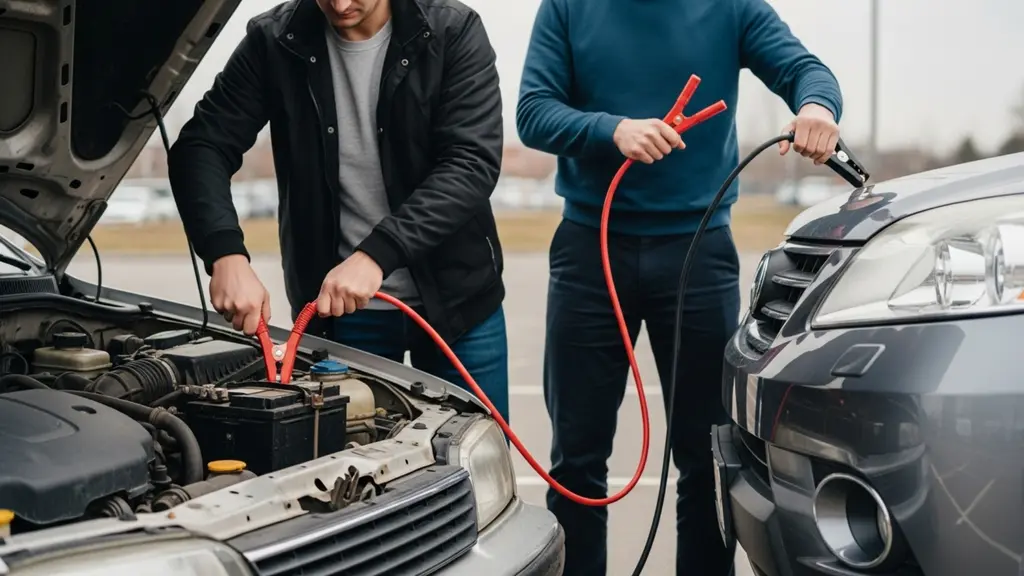

I once turned my key and heard nothing but silence. It is one of those moments that can ruin your whole day. A dead battery can happen anytime and anywhere. The good thing is you can bring your car back to life in minutes.
Learning how to jump start a car gives you control when your engine refuses to wake up. With a few simple steps, you can get back on the road fast and confidently. This article will go in detail to teach you how to jump start a car.
What It Means When Your Car Won’t Start
When your car does not start, the battery is probably low on charge. The clicking sound or complete silence happens as you turn the key. Sometimes the lights or radio still work but the engine stays quiet.
Unlike EV batteries, regular car batteries cannot hold power for long when drained. This happens because the battery is not strong enough to start the motor. Knowing this helps you decide if your car only needs a jump start or if something else is wrong.
Common Signs of a Dead Battery
I’ve had mornings when my car would not start no matter how many times I tried. In modern car culture, everyone expects quick starts and smooth drives, so a weak battery can feel like a major setback.

Dim or Flickering Headlights
When the headlights look dim or flicker at night, the battery cannot deliver steady power to them. Weak light usually means the battery voltage is low and struggling to maintain brightness. After a jump start, the lights often return to normal strength, confirming the battery was weak.
Clicking Sound When Starting
If you hear rapid clicking when turning the key, the starter motor isn’t getting enough energy. That clicking sound shows the battery lacks the strength to spin the engine. When the battery gets recharged, the engine usually starts smoothly again without that noise.
Dashboard Lights On but Engine Silent
Sometimes the dashboard lights glow normally but the engine stays quiet and unresponsive. This happens because small electronics need little power but the starter needs much more. When the engine refuses to turn on, it clearly points to a weak battery.
Needing More Jump Starts
If your car often needs a jump start, the battery cannot hold a charge anymore. A good battery should last several days or weeks without losing power. Regular boosts show the battery’s internal cells are wearing out fast.
Corroded or Loose Battery Terminals
The accumulation is white or blue around the terminals that prevents the flow of electricity to the car. The connection gets loose due to corrosion and the car becomes more difficult to start. Cleaning up or tightening the terminals can assist but severe accumulation suggests replacement intervals.
Tools You Need to Jump Start a Car
I’ve been stuck with a dead car before and trust me, it’s not fun. Having the right tools ready makes the whole jump start quick and safe.
- Jumper Cables: Thick cables with strong clamps help transfer power from one car to another safely.
- Another Working Vehicle: A car with a charged battery gives your dead one the power it needs to start.
- Safety Gloves and Glasses: These protect your hands and eyes from sparks or acid while connecting cables.
- Car Owner’s Manual: It shows battery locations and gives safety tips specific to your car model.
- Wire Brush or Terminal Cleaner: This helps clean corrosion for a stronger and smoother power connection.
How to Jump Start a Car in 7 Steps?
I recall the very time when I took jumper cables the first time and feared to mess up the order. As soon as I was informed of the steps, it became easy and secure in all cases.
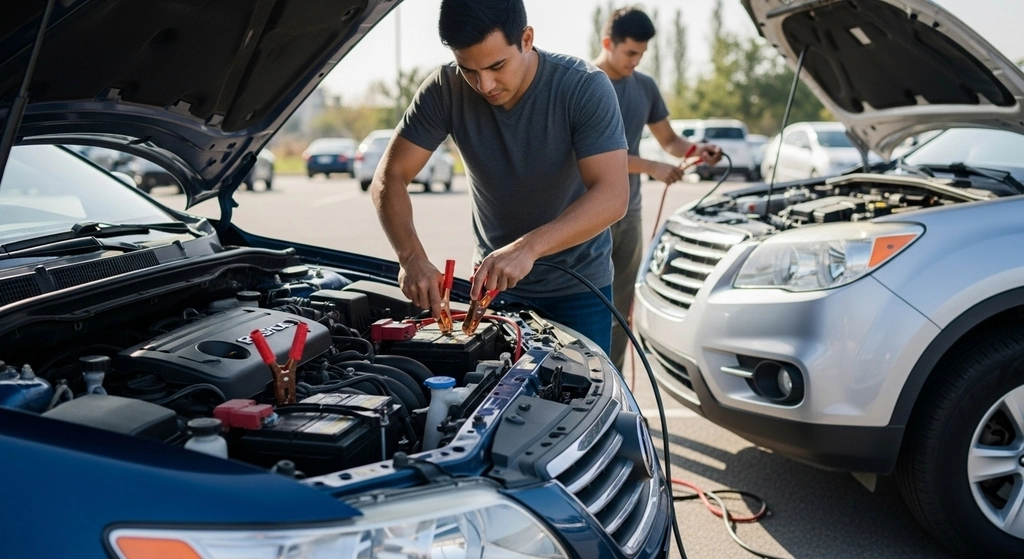
- Step 1: Park both the cars near each other but ensure that they do not touch each other.
- Step 2: Switch the engines off, and take off the keys out of the ignition.
- Step 3: Install the red clamp in the positive first of the dead battery.
- Step 4: Attach the other red clamp to the good battery positive (+) terminal.
- Step 5: Place the black clamp on the negative (–) terminal of the good battery.
- Step 6: Attach a final black clamp to an item on the dead car that is of metal, but not a battery.
- Step 7: After making sure that everything is connected, try starting the working car.
How to Safely Remove Jumper Cables
Removing jumper cables safely is just as important as connecting them correctly. After your car starts, let it run for a few minutes to charge the battery. Then turn off the working car but keep the starter running. Remove the black clamp from the grounded metal first and then from the good battery.
Next, take off the red clamp from the good battery and finally from the revived one. Never let the clamps touch while removing them. This order prevents sparks or short circuits and keeps both you and your car safe during the process.
When to Replace Your Car Battery
Waiting too long to replace a weak battery can leave you stuck and I actually learned that the hard way myself. It’s time for a new battery if your car cranks slowly or keeps needing jump starts. Most batteries last around four years before they start losing strength.
It is simple to tell when you need to replace your car battery. Watch for warning signs like dim lights or white buildup on the terminals. A swollen or leaking battery means trouble is close. You can test it at any workshop in minutes. Replacing it early keeps your car running smoothly and gives you peace of mind.
Conclusion
So what did we learn from this article? The first thing is that it is easier to jump-start a car than most people think. Once you know the steps, you can fix a dead battery anywhere.
This simple skill can save your day when your car refuses to start. Stay calm, take your time and handle it with confidence. You will be back on the road in no time.