
More horsepower sounds exciting until it becomes a problem. Extra power can overwhelm an unprepared engine. That’s when reliability drops. Most breakdowns happen because something basic was ignored. Skipped maintenance, weak parts, or poor airflow all shorten the lifespan of upgrades.
Real performance starts with readiness. Every system must work together. Even a slight gain in output pushes everything harder. Engines run hotter. Fluids break down faster. Parts wear sooner. The smartest builders focus first on what holds power together. That’s where real speed comes from. Not in the spike, but in the strength that can support it.
Start With a Solid Mechanical Foundation
Before chasing power, verify that your engine can handle stress. A compression drop, fuel imbalance, or overheating issue will only get worse once output increases. Start with a proper inspection. Look at cooling efficiency, sensor accuracy, and cylinder pressure. Weak systems fall apart fast when the load changes.
Every component matters. Old hoses crack under heat. Dirty injectors ruin tuning. Don’t skip the basics. Flush fluids, test ignition response, and correct airflow restrictions. These aren’t upgrades. They’re the foundation that makes upgrades possible. Skipping them guarantees trouble.
Legend Cars demand even tighter standards. These compact, high-revving race cars reward builders who take preparation seriously. With Miller Performance Motorsports, you do not need to worry. Builders like them inspect every system before adding power. That kind of discipline keeps cars reliable on track and teaches habits that apply to any performance build.
Increase Power Through Safe and Well-Calibrated Tuning
Tuning is one of the fastest ways to unlock horsepower. But done wrong, it breaks engines. Timing that’s too aggressive or fuel that runs lean can destroy internal components. Before any tuning begins, confirm your engine runs clean and cool under load.
Avoid generic maps or flash tunes designed for broad use. Every engine behaves differently. What works for one build may cause detonation in another. Use data to guide changes. Watch knock activity, air-fuel ratios, and heat patterns.
Good tuning adds power where the engine can handle it. It strengthens throttle response without creating stress. Keep changes balanced and reversible.
Race teams tune for consistency, not chaos. That mindset should guide street builds, too. Power gains mean nothing if the engine fails under pressure.
Improve Airflow Without Compromising Engine Protection
Air enters the engine through tight, controlled pathways. When those pathways are restrictive, performance drops. Upgrading the intake system allows the engine to breathe more efficiently. Cold air kits and high-flow air filters increase volume while reducing resistance. This results in better throttle response and more usable power across the rev range.
Exhaust upgrades work the same way. A quality cat-back system improves flow without eliminating essential back pressure. Avoid oversized piping that weakens low-end torque or causes poor scavenging. Exhaust work should match the engine’s tuning and intended use.
Filtration still matters. A filter that allows dirt into the engine will ruin gains. Choose airflow parts that support performance without sacrificing protection. Clean air in, clean flow out. That’s the goal. Every change should support the engine’s function, not interfere with its stability.
Strengthen Cooling and Lubrication to Support Added Stress
Power generates heat. When output rises, so do internal temperatures. Engines run harder, fluids thin faster, and small weaknesses turn into failure points. Upgrading the cooling system is a safety measure, not an optional add-on. Check radiator performance, thermostat function, and coolant flow at both idle and load.
Oil quality becomes critical. Higher cylinder pressure and faster engine speeds demand better lubrication. A regular oil change becomes more important as stress increases. Switch to a high-quality synthetic if you haven’t already. Monitor oil temperature, not just pressure, to catch problems before damage begins. Heat breaks oil down, and broken oil won’t protect anything.
Don’t ignore the small systems. Transmission, differential, and power steering fluids all work harder under stress. Replace them with fluids rated for performance use. A strong cooling and lubrication setup doesn’t boost horsepower. It keeps the power you’ve added from tearing the engine apart.
Support Power Gains With Drivetrain and Suspension Upgrades
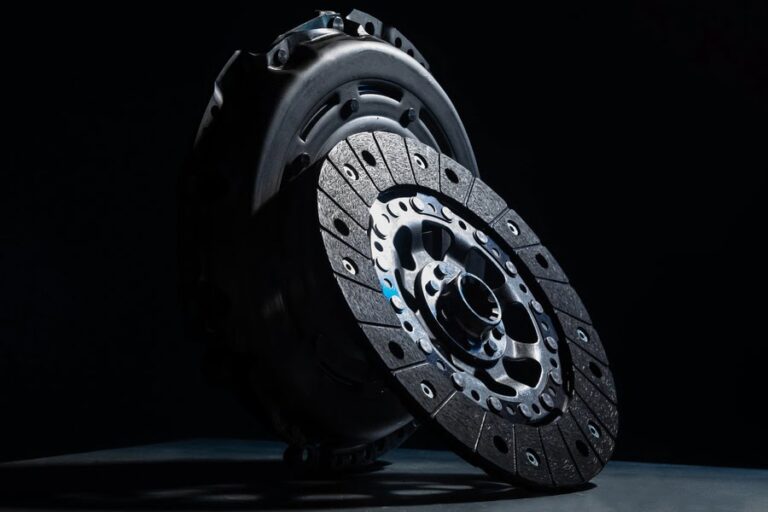
Extra horsepower means nothing if the rest of the car can’t manage it. The drivetrain takes the brunt of the added torque. Weak clutches slip. Old axles twist. Stock transmissions overheat. Before pushing harder, assess how much load each component can handle under acceleration.
Start with traction. Without grip, power gets wasted. Performance tires make a difference. So does a proper alignment. If the suspension can’t keep the tires planted, the car loses control when it matters most. Better shocks and bushings help manage that force.
Balance matters more than brute strength. A strong engine paired with stock suspension will always feel unstable. Every supporting system should evolve with the engine. That’s how you keep performance usable and safe under pressure.
Maintain Reliability With Smarter Driving and Inspection Habits
Horsepower invites hard use. But hard use without awareness leads to failure. Cold starts, high revs, and short trips all take a toll when output increases. Warm the engine fully before driving aggressively. Give fluids time to circulate and temperatures time to stabilize.
Driving habits matter. Avoid full throttle until the engine is ready. Don’t hold high RPMs longer than needed. Watch for hesitation, noise, or shifting behavior that signals early wear. Power reveals what’s working and what’s wearing out. Treat every sound or smell as a message worth checking.
Routine inspections catch problems before they spread. Check belts, hoses, and fluid levels weekly. Use each oil change as a checkpoint. Reliable power isn’t about driving harder. It’s about paying closer attention to the systems that make that power possible.
Wrapping Up
Horsepower means nothing if the engine cannot survive it. The real challenge is not reaching a higher number. It is keeping everything intact when you do. Reliability depends on discipline, preparation, and clear limits. That is how you maximize horsepower without sacrificing reliability. Build with intention. Strength comes from doing the work others skip. Power that lasts is always the result of choices made long before the engine starts.